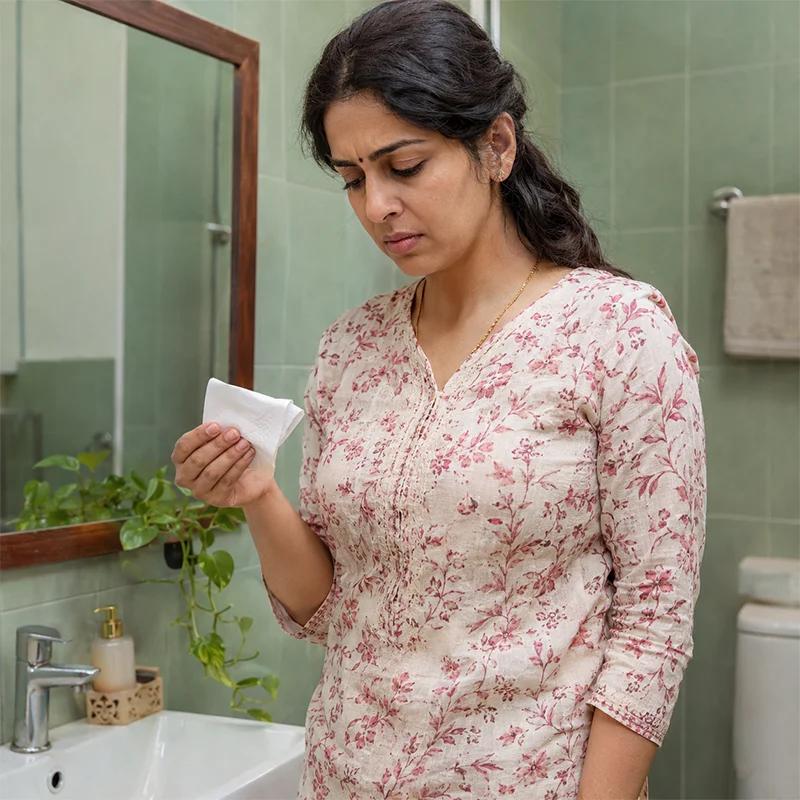
The symptoms of piles in female patients can range from mild itching and swelling to bleeding and pain during bowel movements. Pregnancy, childbirth, and constipation can increase the risk. Although these symptoms may feel uncomfortable to discuss, recognising them early helps women understand when lifestyle changes may help and when medical attention is necessary. Let's look at the signs, causes and available care options.
What Are Piles in Women?
Piles, medically known as haemorrhoids, are swollen blood vessels in or around the anus and lower rectum. They develop when pressure increases in these blood vessels, sometimes causing discomfort, itching or bleeding.
Understanding what causes piles can help women identify common risk factors and recognise habits that may contribute to the condition.
Women can develop two main types of piles:
- Internal piles: These develop inside the rectum. They often cause painless bleeding during bowel movements and may protrude outside the anus in more advanced cases.
- External piles: These develop beneath the skin around the anus. They can cause itching, swelling, tenderness and pain, particularly when a blood clot forms.
Prolapsed piles occur when internal haemorrhoids extend outside the anal opening. The type and severity determine the symptoms a woman may experience.
7 Common Symptoms of Piles in Female Patients
Recognising the symptoms of piles in female patients early can help women understand what is happening and seek appropriate care. Although symptoms vary, the following signs are commonly associated with haemorrhoids.
1. Bleeding During or After Bowel Movements
Bright red blood on toilet paper, on the surface of stools or in the toilet bowl is a common sign of piles. Internal haemorrhoids can bleed without causing pain.
However, rectal bleeding should never automatically be attributed to piles. Anal fissures, bowel conditions, and other medical problems can also cause bleeding. Women experiencing these symptoms can learn more about Ayurvedic care for internal and external bleeding piles, while remembering that persistent bleeding requires medical assessment.
2. Itching and Irritation Around the Anus
Persistent itching around the anal opening can occur due to irritation, mucus discharge or difficulty keeping the area clean. Scratching may further irritate sensitive skin.
Gentle cleaning with water and patting the area dry can help avoid additional irritation.
3. Pain or Discomfort While Passing Stool
Pain during bowel movements may occur when external piles become swollen or inflamed. Passing hard stools and repeatedly straining can make the discomfort worse.
Sudden, severe pain may indicate a thrombosed external haemorrhoid and needs medical assessment.
4. Swelling or a Lump Near the Anus
Some women notice a small lump or swelling around the anal opening. External piles may feel tender, particularly when sitting or cleaning the area.
A lump does not always indicate haemorrhoids, so a doctor should examine any new or persistent swelling.
5. Mucus Discharge
Some women experience mucus around the anal area, particularly when internal piles protrude. This discharge may cause dampness, itching and irritation.
Persistent or unusual discharge should be discussed with a healthcare professional.
6. Feeling of Incomplete Bowel Emptying
Prolapsed haemorrhoids may create a sensation of fullness or incomplete bowel emptying. Women may feel that they still need to pass stool even after using the toilet.
This symptom can also occur with other digestive conditions, making proper evaluation important.
7. Discomfort While Sitting
Swollen external haemorrhoids can make sitting for extended periods uncomfortable. Tenderness and pressure around the anal area may interfere with work, travel and everyday activities.
These symptoms can overlap with other anorectal conditions, so a proper diagnosis matters.
What Causes Piles in Women?
Several physical and lifestyle factors can increase pressure on the blood vessels around the rectum. Understanding these triggers helps explain why the symptoms of piles in female patients may develop at different stages of life.
For a better understanding of the contributing factors, women can also read about the reasons for developing piles.
Common causes and risk factors include:
- Pregnancy: The growing uterus places additional pressure on pelvic blood vessels. Constipation during pregnancy can increase the risk further.
- Childbirth: Straining during labour can increase pressure around the rectal veins.
- Constipation: Passing hard stools repeatedly can strain the anal area.
- Low-fibre diet: Insufficient dietary fibre can make stools harder and bowel movements difficult.
- Inadequate hydration: Not drinking enough fluids can contribute to constipation.
- Prolonged sitting: Spending long periods sitting, particularly on the toilet, can aggravate symptoms.
- Excess body weight: Higher abdominal pressure may contribute to haemorrhoid development.
These factors do not mean every woman experiencing constipation or pregnancy will develop piles.
Piles During Pregnancy and After Delivery
Pregnancy and childbirth are important considerations when discussing the symptoms of piles in female patients.
During pregnancy, hormonal changes can affect bowel movements, while the growing uterus places pressure on pelvic veins. Constipation and straining may add to this pressure.
After childbirth, some women experience:
- Pain or swelling around the anus.
- Bleeding during bowel movements.
- Itching and irritation.
- Discomfort while sitting.
- Difficulty passing hard stools.
Mild symptoms may improve as the body recovers and bowel habits become regular. However, persistent bleeding, severe pain or worsening swelling requires medical attention.
Pregnant and breastfeeding women should consult their doctor before using piles medicines, Ayurvedic formulations or topical products.
How Are Piles Diagnosed in Women?
A doctor generally begins by discussing symptoms, bowel habits and medical history. Depending on the situation, the examination may include:
- Physical examination: Checking the area around the anus for swelling or external piles.
- Digital rectal examination: Examining the lower rectum with a gloved finger when appropriate.
- Anoscopy: Using a small instrument to examine the anal canal.
- Further investigations: Additional tests may be recommended when bleeding or other symptoms require investigation.
Early evaluation helps identify the actual cause and determine the appropriate treatment.
How Can Women Manage Piles at Home?
For mild symptoms, certain everyday habits can reduce constipation and make bowel movements more comfortable.
- Eat fibre-rich foods: Include papaya, apples, oats, whole grains, vegetables and legumes in your meals.
- Drink enough water: Maintain adequate hydration throughout the day.
- Avoid straining: Do not force bowel movements or sit on the toilet for unnecessarily long periods.
- Try warm sitz baths: Sitting in comfortably warm water for 10–15 minutes may soothe irritation.
- Stay physically active: Walking and other suitable exercises support regular bowel movements.
- Maintain gentle hygiene: Clean the anal area carefully and avoid excessive rubbing.
Diet also plays an important role in bowel health. Understanding which foods to avoid when experiencing piles can help women make more informed dietary choices.
These measures can help manage common triggers, but they do not replace medical treatment when symptoms are persistent or severe.
What Are the Treatment Options for Piles in Women?
Treatment depends on the type of haemorrhoids, symptom severity and overall health.
- Lifestyle management: Increasing fibre, drinking adequate water and avoiding straining are important first steps.
- Medicines: Doctors may recommend suitable medicines or topical treatments to manage specific symptoms. Pregnant and breastfeeding women should check their suitability before using them.
- Minimally invasive procedures: Rubber band ligation, sclerotherapy and infrared coagulation may be considered for certain internal haemorrhoids.
- Surgery: Severe, recurrent or complicated cases may require surgical treatment.
If the symptoms of piles in female patients continue despite lifestyle changes, a medical examination can help determine whether a procedure or another treatment is necessary.
Can Ayurvedic Piles Care Be Part of a Wellness Routine?
Alongside healthy bowel habits and appropriate medical guidance, some women also explore traditional Ayurvedic wellness products as part of their personal care routine.
Those interested in traditional approaches can learn more about Ayurvedic medicine for piles and Ayurvedic medicine for piles and fissures to understand the different wellness considerations.
Ayuvya offers a dedicated Piles Care range featuring the following products:
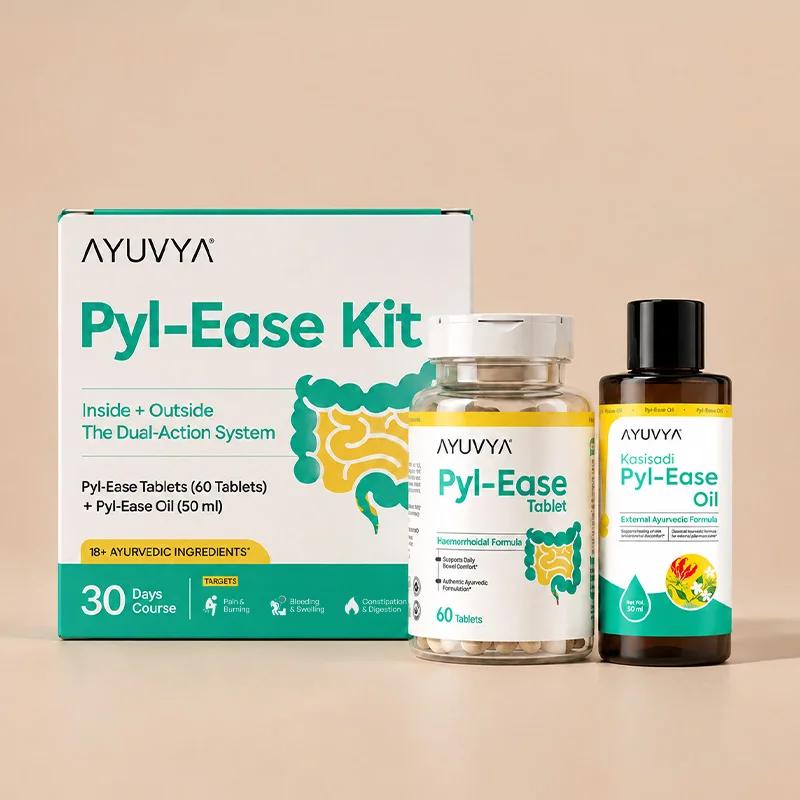
Ayuvya Pyl-Ease Kit
Combines Pyl-Ease Tablets and Jatyadi Oil in one kit. It is positioned for adults with Grade 1 and Grade 2 piles.
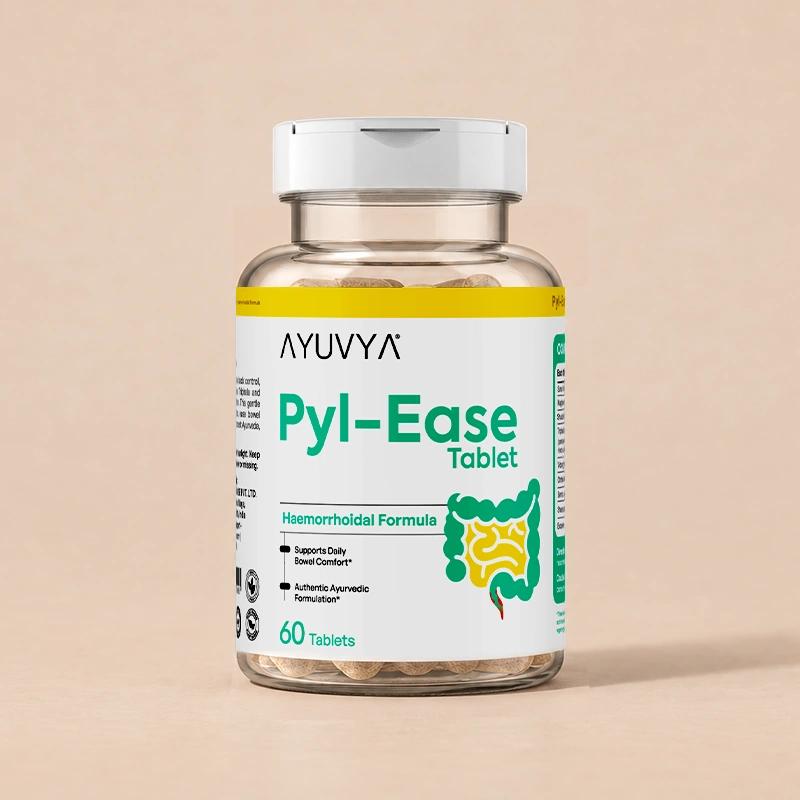
Ayuvya Pyl-Ease Tablets
An Ayurvedic formulation containing Nagkesar, Triphala, Suran and Chitrak.
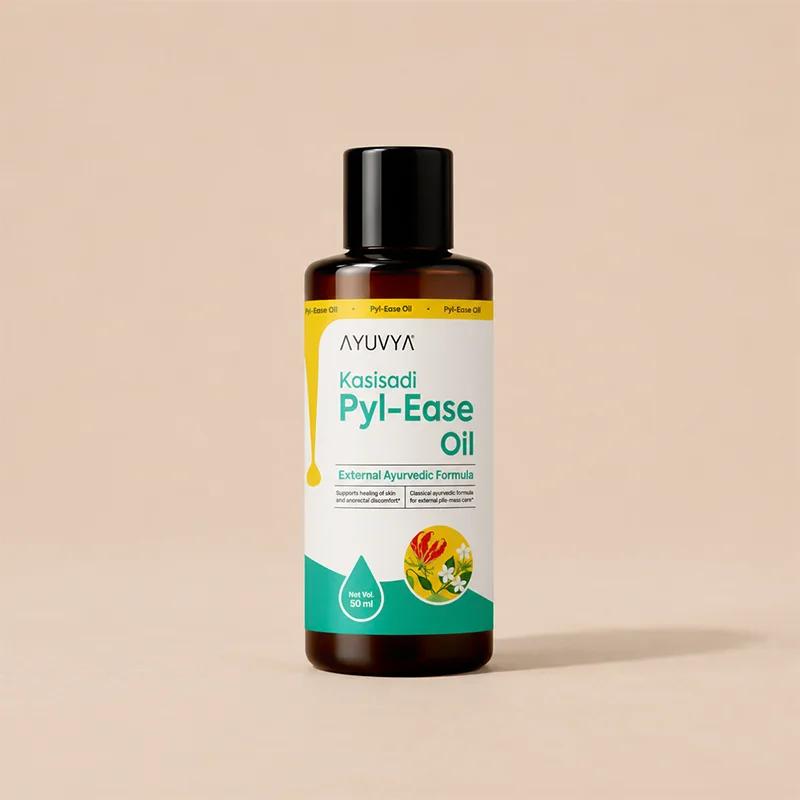
Ayuvya Jatyadi Oil
A topical Ayurvedic oil featuring ingredients such as Neem, Lodhra, Jati and Haldi.
These products are intended for supportive Ayurvedic wellness use and are not substitutes for medical diagnosis or treatment. Follow the product instructions, review the ingredients, and consult a qualified healthcare professional before use, especially during pregnancy, breastfeeding, or when taking other medication.
When Should Women Consult a Doctor for Piles?
Although mild discomfort may improve with lifestyle changes, certain symptoms require medical attention.
Consult a doctor if you experience:
- Repeated or persistent rectal bleeding.
- Severe pain around the anus.
- A painful or increasingly swollen lump.
- Symptoms that do not improve with home care.
- Changes in bowel habits.
- Unexplained weight loss or unusual fatigue.
Heavy or continuous bleeding, large blood clots, fainting, or severe pain require urgent medical attention.
Remember, recognising the symptoms of piles in female patients is important, but identifying the actual cause is equally essential. Rectal bleeding should never be ignored or self-diagnosed.
Explore Thoughtful Ayurvedic Piles Care with Ayuvya
Understanding the symptoms of piles in female patients is an important first step towards better digestive and personal wellness. A balanced diet, adequate hydration, regular movement, and timely medical guidance can help women manage common bowel-related concerns.
For women exploring traditional Ayurvedic wellness options, Ayuvya's Piles Care range brings together Pyl-Ease Tablets and topical oil in convenient product formats. Explore the formulations, ingredients, and usage directions to understand which options may be appropriate for your needs.
Take a thoughtful step towards your wellness routine with Ayuvya.
Medical disclaimer: This article is for educational purposes only and does not replace professional medical advice. Ayuvya products are not intended to diagnose, treat, cure, or prevent any disease. Consult your healthcare professional before using any product, particularly if you are pregnant, breastfeeding, or managing an existing health condition.