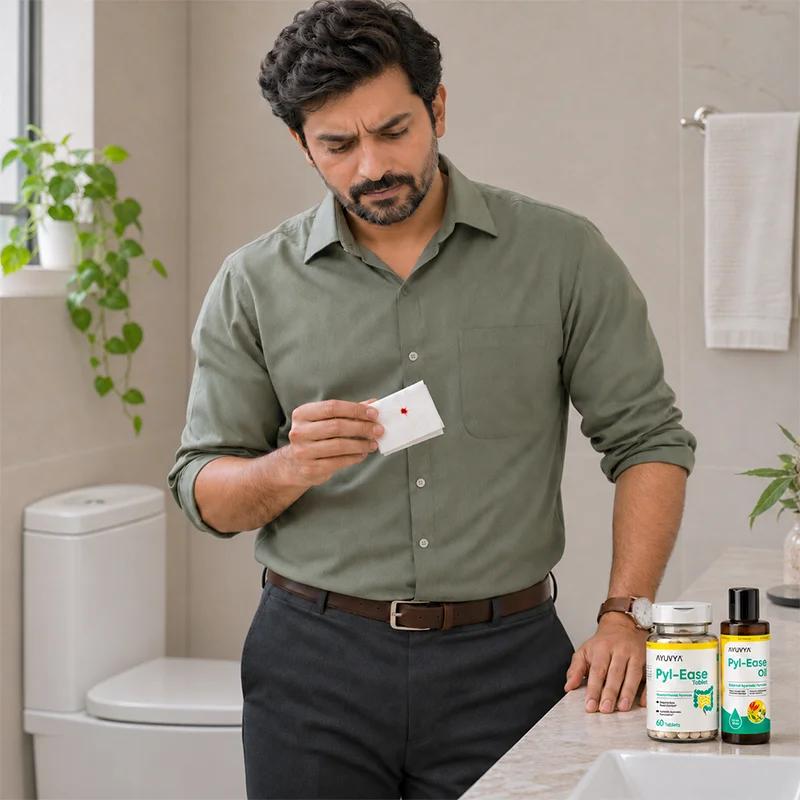
Piles can cause itching, swelling, pain and bleeding, making everyday activities uncomfortable. Ayurvedic medicine for internal piles is one option people explore when looking for traditional piles care. Understanding the type and severity of piles is important before choosing a suitable approach. Ayuvyaoffers a dedicated Piles Care range for those exploring Ayurvedic wellness support.
Understanding Internal, External and Bleeding Piles
Piles, medically known as haemorrhoids, are swollen veins in and around the lower rectum and anus. They are generally classified according to their location and symptoms.
What Are Internal Piles?
Internal piles develop inside the rectum. They may not cause noticeable pain because this area has fewer pain-sensitive nerves. Common signs include:
- Bright-red blood during or after passing stools.
- Prolapse, where the swollen tissue comes out during bowel movements.
- A feeling of incomplete bowel evacuation.
- Mucus discharge or irritation in some cases.
People exploring ayurvedic medicine for internal piles often look for ways to support bowel regularity and reduce the discomfort associated with constipation and straining.
What Are External Piles?
External piles develop beneath the skin around the anus. Unlike internal piles, they can cause noticeable discomfort because the surrounding area contains sensitive nerves.
Common symptoms include itching, swelling, irritation and pain while sitting or passing stools. A blood clot can sometimes develop inside an external haemorrhoid, causing a sudden, painful lump.
People looking for ayurvedic medicine for external piles should understand that topical care does not replace medical assessment, particularly when swelling or pain is severe.
What Are Bleeding Piles?
Bleeding piles commonly involve internal haemorrhoids. Bright-red blood may appear on toilet paper, the stool surface, or in the toilet bowl. However, rectal bleeding should never automatically be assumed to be caused by piles. Other digestive and intestinal conditions can produce similar symptoms.
What Causes Piles? Common Triggers and Risk Factors
Piles can develop when increased pressure affects the veins around the rectum and anus. Several everyday habits and health factors can contribute. Understanding these common causes of piles can help people identify lifestyle factors that may increase their risk.
- Chronic constipation: Hard stools and repeated straining increase pressure during bowel movements.
- Low-fibre diet: Insufficient dietary fibre can make stools harder and difficult to pass.
- Poor hydration: Not drinking enough fluids can contribute to constipation.
- Prolonged sitting: Spending long periods sitting, particularly on the toilet, can increase pressure around the anal area.
- Pregnancy: Increased abdominal pressure and hormonal changes can contribute to haemorrhoids.
- Age and lifestyle: Age-related tissue changes, excess weight and limited physical activity can increase the risk.
Addressing these factors is an important part of maintaining healthier bowel habits.
How Does Ayurveda Approach Piles Care?
In Ayurveda, piles are traditionally referred to as Arsha. The Ayurvedic approach considers digestion, bowel habits, dietary patterns and individual constitution when understanding this condition.
Understanding Vata, Pitta and Kapha
Ayurvedic principles describe three doshas that influence different bodily functions:
- Vata: Traditionally associated with movement and elimination. Its imbalance is linked with irregular bowel habits and constipation.
- Pitta: Associated with heat and transformation. Traditional descriptions connect it with inflammatory tendencies.
- Kapha: Associated with stability and structure. Its imbalance is traditionally associated with heaviness and swelling.
These concepts provide a traditional framework for understanding health. They should not be confused with medically established causes or diagnostic classifications of haemorrhoids.
Why Digestive Health Matters
Healthy digestion and regular bowel movements are important parts of piles care. Eating enough fibre, drinking adequate water and avoiding excessive straining can help make stools easier to pass.
Ayurvedic Medicine for Internal Piles, External Piles and Other Types
Choosing an appropriate Ayurvedic medicine for internal piles or external piles depends on the symptoms, medical assessment and individual needs. Ayuvya's Piles Care range includes oral and topical formulations designed to complement a piles-care routine.
Ayurvedic Medicine for Internal Piles
People looking for ayurvedic medicine for internal piles often prioritise digestive support and regular bowel movements.
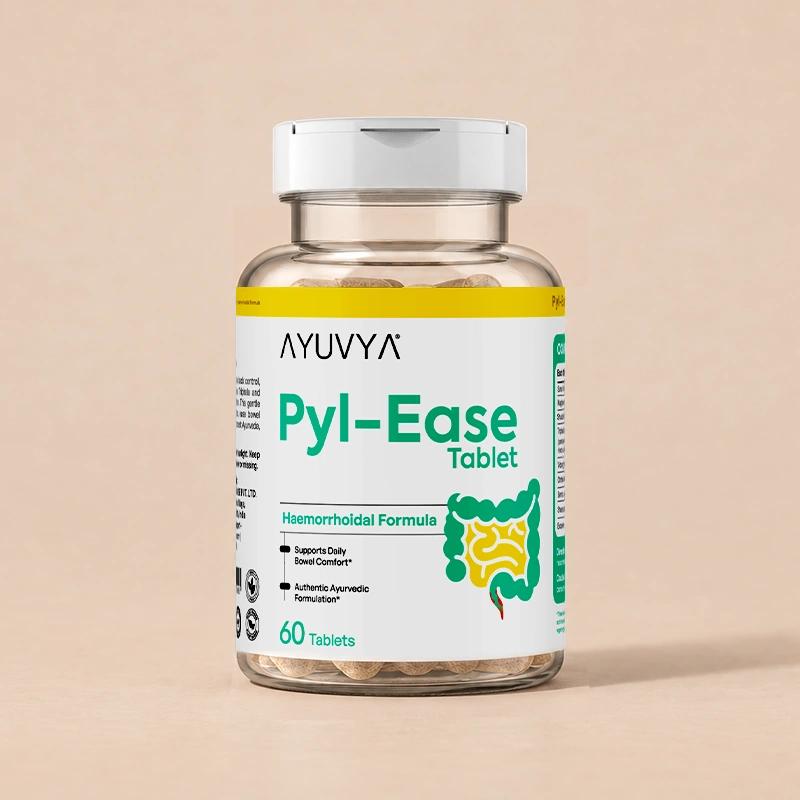
Ayuvya Pyl-Ease Tablets are part of the brand's internal piles-care range. The formulation includes traditional ingredients such as:
- Nagkesar
- Triphala, comprising Amla, Baheda and Haritaki
- Suran
- Chitrak
These ingredients have a history of use in traditional Ayurvedic formulations. Pyl-Ease Tablets are positioned as an internal wellness support option. They should be used according to their product directions and should not be considered a proven cure for haemorrhoids.
Ayurvedic Medicine for External Piles
External piles can cause itching, irritation, swelling and discomfort around the anal opening. Topical care may be considered as part of a broader wellness routine.
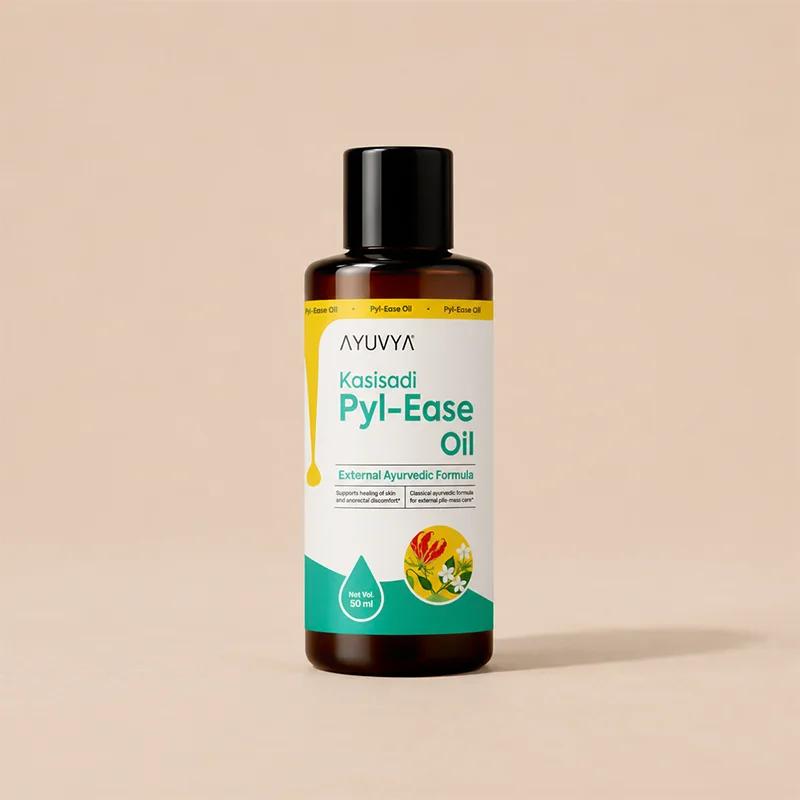
Ayuvya Kasisadi Pyl-Ease Oil is a topical option in the brand's Piles Care range. Ayuvya Jatyadi Oil is another topical formulation featuring traditional ingredients such as Neem, Lodhra, Jati and Haldi.
Use these products only as directed. Do not apply products internally or to damaged tissue unless specifically advised by a qualified healthcare professional.
Ayurvedic Medicine for Blood Piles
People searching for ayurvedic medicine for blood piles generally want to understand how to manage bleeding associated with haemorrhoids.
Ayuvya Pyl-Ease Tablets are an option within the brand's internal piles-care range. However, there is no basis to claim that they stop rectal bleeding or cure bleeding haemorrhoids.
Anyone searching for the best ayurvedic medicine for blood piles should first establish the cause of the bleeding. Persistent, recurrent or heavy bleeding requires medical evaluation.
Ayurvedic Medicine for Non-Bleeding and Dry Piles
Not all piles cause bleeding. Some people experience itching, swelling, irritation or discomfort without noticing blood.
Those exploring ayurvedic medicine for non bleeding piles may consider the Ayuvya Pyl-Ease range alongside dietary and lifestyle changes.
The term dry piles is commonly used to describe piles without active bleeding, although it is not a formal medical classification. People looking for ayurvedic medicine for dry piles should have persistent symptoms assessed rather than relying on symptom descriptions alone.
Ayurvedic Medicine for Grade 2 and Grade 3 Piles
Internal haemorrhoids are classified into four grades according to how much they prolapse.
Ayurvedic Medicine for Grade 2 Piles
Grade 2 piles protrude during bowel movements but return inside the rectum on their own.
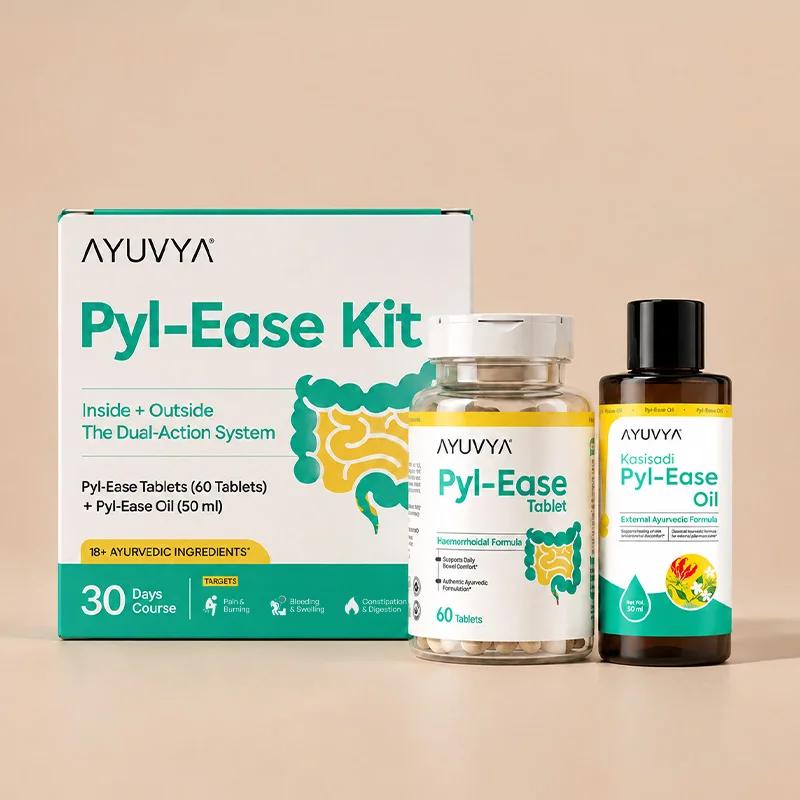
People researching ayurvedic medicine for grade 2 piles may be interested in non-surgical management options. Ayuvya's Pyl-Ease Kit combines Pyl-Ease Tablets with topical Kasisadi Pyl-Ease Oil and is positioned by the brand for Grade 1 and Grade 2 piles.
However, product positioning does not establish clinical effectiveness. A healthcare professional should assess the condition before selecting a treatment approach.
Ayurvedic Medicine for Grade 3 Piles
Grade 3 piles protrude during bowel movements and generally need to be pushed back manually.
Although people may search for ayurvedic medicine for grade 3 piles, this stage requires proper medical evaluation. Depending on symptoms and severity, a doctor may recommend office-based procedures or surgery.
Ayurvedic products should not delay appropriate treatment, particularly when prolapse, bleeding or significant pain continues.
Diet and Lifestyle Habits That Support Piles Care
Daily habits can make a meaningful difference to bowel regularity and overall digestive health.
Eat More Fibre-Rich Foods
Include foods such as:
- Papaya, apples, pears and other whole fruits.
- Green vegetables and leafy greens.
- Oats and whole grains.
- Lentils, beans and other legumes.
Increase fibre gradually to reduce bloating and drink sufficient water.
Maintain Healthy Bowel Habits
- Avoid straining while passing stools.
- Respond promptly to the urge to use the toilet.
- Avoid sitting on the toilet for extended periods.
- Stay physically active through regular walking.
- Maintain adequate daily fluid intake.
These habits can help reduce constipation and excessive pressure during bowel movements.
How to Include Ayuvya Piles Care Products in Your Routine
Ayuvya offers different product formats for people exploring traditional piles care:
- Pyl-Ease Tablets: An oral formulation for internal piles-care support.
- Kasisadi Pyl-Ease Oil: A topical product for external piles-care routines.
- Jatyadi Oil: Another topical Ayurvedic formulation.
- Pyl-Ease Kit: Combines the tablets and topical oil.
Follow the current product labels for usage instructions. Consult a qualified healthcare professional before use, especially during pregnancy, while breastfeeding, or when taking other medication.
When Should You Consult a Doctor for Piles?
Medical attention is important when symptoms are persistent, severe or unusual. Consult a doctor if you experience:
- Repeated or significant rectal bleeding.
- Severe or sudden anal pain.
- A painful lump around the anus.
- Persistent prolapse.
- Changes in bowel habits.
- Dizziness, weakness or faintness associated with bleeding.
Rectal bleeding can have causes other than haemorrhoids, so proper diagnosis is essential.
Explore Ayurvedic Piles Care with Ayuvya
Managing piles starts with understanding your symptoms, improving bowel habits and choosing appropriate care. Whether you are exploring support for internal or external piles, Ayuvya offers a dedicated Piles Care range featuring Pyl-Ease Tablets, Kasisadi Pyl-Ease Oil, Jatyadi Oil and the Pyl-Ease Kit.
Explore the formulations, review their ingredients and usage directions, and make informed decisions about your wellness routine.
Discover Ayuvya's Piles Care Range and take a more informed approach to digestive and rectal wellness.