Piles can develop gradually, sometimes without obvious symptoms at first. Understanding what contributes to the condition can help you make informed decisions about prevention, symptom management and when to seek medical advice. At Ayuvya, we believe informed choices begin with understanding your body and its needs.
What Are the Main Reasons for Piles?
Piles are swollen vascular cushions inside the rectum or around the anus. These tissues normally help with bowel control, but changes in their supporting structures and increased pressure can cause them to enlarge or become symptomatic.
When people ask what is the reason for piles, the answer is not always one specific factor. Several conditions and everyday habits can contribute, and more than one may be involved in the same person. For a more detailed explanation, read our guide on what causes piles.
1. Chronic Constipation and Straining
Constipation is one of the common factors associated with piles. Hard stools can make bowel movements difficult, leading to repeated straining and increased pressure around the anus.
Over time, this pressure may aggravate the tissues and contribute to haemorrhoid development.
To support regular bowel movements:
- Eat fibre-rich foods such as vegetables, fruits, lentils and whole grains.
- Drink enough water throughout the day.
- Avoid straining when passing stools.
- Seek advice if constipation becomes persistent.
Including fibre-rich foods in your daily meals can help support bowel regularity. Ayuvya's Daily Ayurveda Supplements offers another place to explore everyday grocery options while building balanced dietary habits.
2. Frequent Diarrhoea
Although constipation receives considerable attention, repeated diarrhoea can also irritate the anal area. Frequent bowel movements and persistent irritation may aggravate existing piles.
If diarrhoea continues or occurs repeatedly, consult a healthcare professional to identify the underlying cause rather than relying only on home remedies.
3. Pregnancy and Childbirth
Pregnancy can increase the risk of piles because the growing uterus places additional pressure on pelvic blood vessels. Hormonal changes may also contribute to constipation, while straining during childbirth can aggravate the condition.
Pregnant and postpartum individuals should discuss persistent symptoms with their healthcare professional before using oral herbal supplements or topical products.
4. Ageing and Weakened Supporting Tissues
The tissues that support the blood vessels around the rectum and anus can weaken with age. As this support changes, the likelihood of developing symptomatic haemorrhoids may increase.
However, piles are not limited to older adults. Younger people can also develop them, particularly when constipation and straining are recurring problems.
5. Obesity and Repeated Physical Strain
Excess body weight may increase pressure within the abdomen, potentially contributing to the risk of piles. Repeated heavy lifting, especially when accompanied by breath-holding and straining, may also aggravate pressure in the affected area.
These factors do not mean that everyone who is overweight or lifts weights will develop piles. Individual health, bowel habits, and other risk factors also matter.
What Lifestyle Habits Can Increase the Risk of Piles?
Some everyday habits can contribute to constipation or place additional pressure on the anorectal area. Recognising them is a practical step towards better bowel health.
- Eating too little fibre: A low-fibre diet can contribute to hard stools and constipation.
- Sitting on the toilet for too long: Prolonged toilet sitting may increase pressure on the anal tissues.
- Ignoring the urge to pass stools: Repeatedly delaying bowel movements can make healthy bowel habits harder to maintain.
- Being physically inactive: Limited movement may contribute to constipation in some people.
- Straining unnecessarily: Pushing hard during bowel movements can aggravate the tissues around the anus.
It is important to distinguish between risk factors and guaranteed causes. For example, sitting at a desk for long hours is not the same as prolonged sitting on the toilet, and neither habit alone proves that someone will develop piles.
What Are the Symptoms of Piles?
The symptoms depend on whether the haemorrhoids are internal or external and how severely the affected tissues are irritated.
Common symptoms include:
- Bright-red blood during or after a bowel movement.
- Itching or irritation around the anus.
- A lump or swelling near the anal opening.
- Discomfort or pain, particularly with external piles.
- Tissue protruding through the anal opening in some cases.
Internal piles may cause bleeding without significant pain, while external piles can be painful, especially if a blood clot develops.
Important: Rectal bleeding should never automatically be assumed to be caused by piles. Persistent bleeding, unexplained changes in bowel habits or worsening symptoms require medical assessment. Heavy bleeding, severe pain, dizziness or weakness may require urgent medical attention.
How Can You Reduce the Risk of Piles?
Although not every case can be prevented, healthy bowel habits can reduce common contributing factors.
Eat More Fibre
Include whole grains, beans, lentils, vegetables and fruits in your daily meals. Increase fibre gradually to help your digestive system adjust.
Stay Hydrated
Adequate fluid intake helps support softer stools, particularly when you increase dietary fibre. Individual fluid needs vary according to health, activity and climate.
Avoid Prolonged Toilet Sitting
Respond to the urge to pass stools instead of repeatedly delaying it. Avoid sitting on the toilet for extended periods, scrolling through your phone or straining when a bowel movement does not occur easily.
Stay Physically Active
Regular walking and other suitable physical activities can support bowel regularity and overall health. Choose activities appropriate for your fitness level and medical circumstances.
Address Persistent Constipation
If constipation continues despite reasonable dietary and lifestyle changes, seek medical advice. Repeatedly straining without addressing the underlying problem can aggravate symptoms.
What Are the Available Piles-Care Options?
The appropriate approach depends on the symptoms, their severity, and whether another condition is responsible. Mild symptoms may improve with dietary changes, adequate hydration, and better bowel habits. Other cases may require medication, an office-based procedure, or surgery.
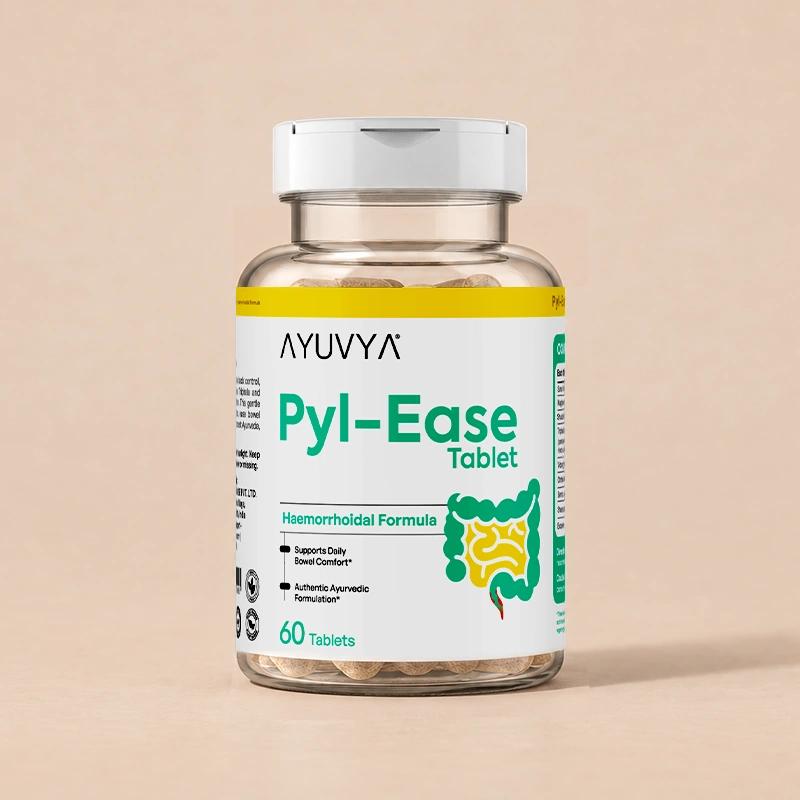
If you are exploring products for this concern, Ayuvya's ayurvedic medicine for piles provides an overview of the brand's available options. These products should be considered thoughtfully and should not replace diagnosis or evidence-based medical treatment.
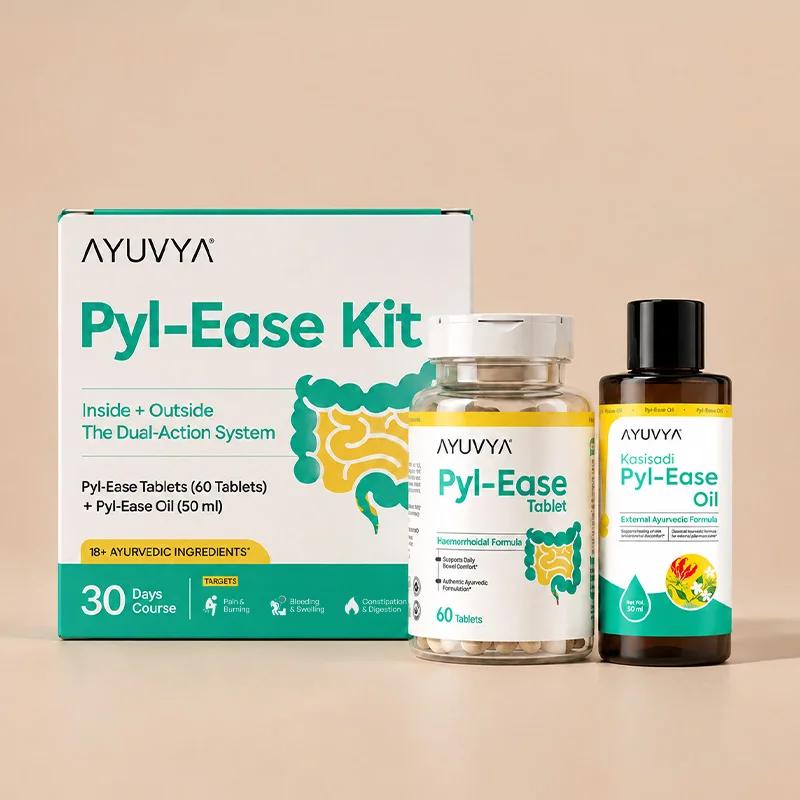
Ayuvya Pyl-Ease Kit
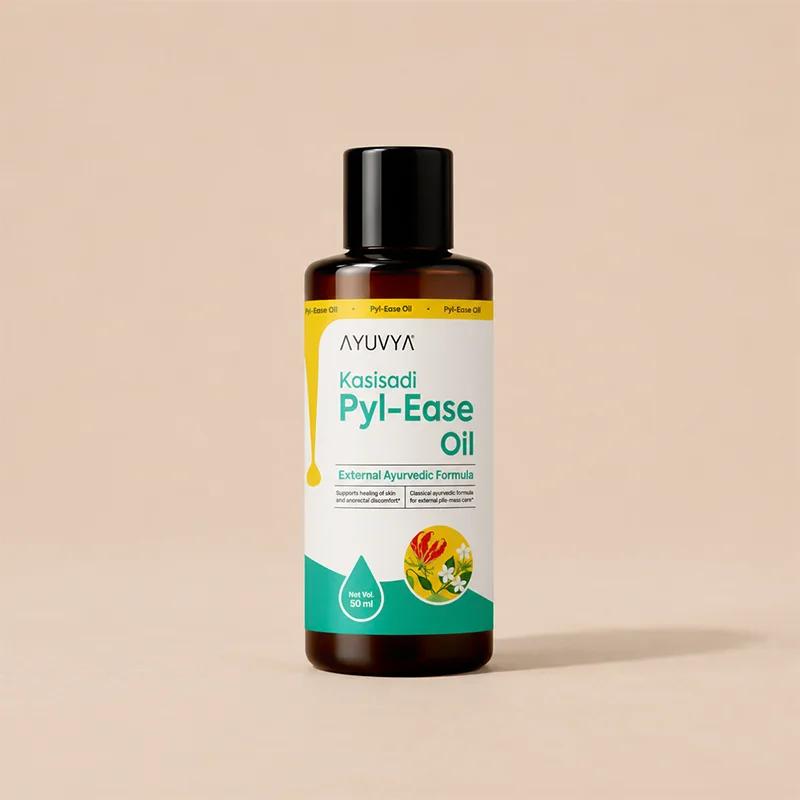
The Ayuvya Pyl-Ease Kit combines Pyl-Ease Tablets with Jatyadi Oil. People considering the kit should review its ingredients, intended use, and product directions before making a decision.
Explore the Ayuvya Pyl-Ease Kit
Ayuvya Jatyadi Oil
Ayuvya Jatyadi Oil is another option in the brand's piles-care range. Review the label and directions carefully, particularly if the skin is irritated or symptoms include bleeding or significant pain.
Ayurvedic products are not guaranteed cures for haemorrhoids. The evidence for individual products varies, and suitability depends on a person's health and circumstances. Seek professional advice before use, especially if you take medication or have an existing health condition.
For broader wellness needs, you can also explore Ayuvya's Ayurvedic health care products. If you are looking for products intended for men's everyday wellness, the Daily Supplements for Men's Health collection is another category to browse. These categories are separate from piles treatment and should be selected according to individual needs.
When Should You Consult a Doctor?
Arrange a medical assessment if symptoms persist, keep returning or interfere with everyday activities. You should also seek advice if you notice rectal bleeding, a new lump or unexplained changes in bowel habits.
Seek urgent care for heavy or continuous bleeding, severe anal pain, faintness or dizziness. A healthcare professional can assess your symptoms, confirm the diagnosis and recommend appropriate treatment.
Understanding what is the reason for piles is useful, but identifying the actual cause of your symptoms may require an examination. Avoid delaying care because you assume the problem is harmless.
For additional information on available treatment approaches and self-care measures, read our guide on how to cure piles. The appropriate treatment depends on the underlying cause and severity of symptoms, and persistent or severe cases require professional assessment.
Explore Ayuvya's Piles-Care Range
Understanding what is the reason for piles is an important first step towards making informed decisions about bowel health. A balanced, fibre-rich diet, adequate hydration, regular movement and avoiding excessive straining can all help address common risk factors.
At Ayuvya, we encourage a thoughtful approach to wellness that combines healthy daily habits with informed product choices. If you are exploring Ayurvedic options, discover the products available in our Piles Care collection and review their ingredients and directions before use.
Explore theAyuvya Piles Care collection to learn more about the available options and choose your next step with care.
Medical disclaimer: This article is for general educational purposes and is not a substitute for professional medical advice, diagnosis or treatment. Consult your doctor before using any product, particularly if you are pregnant, breastfeeding, taking medication or managing an existing health condition. Do not delay medical care for rectal bleeding, severe pain or persistent symptoms.