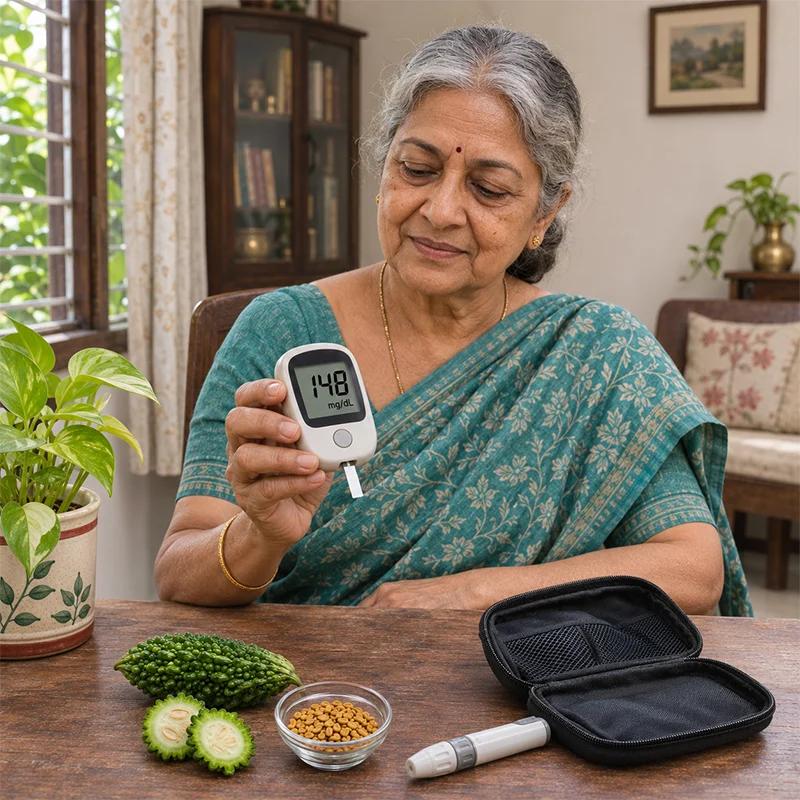

Type 2 diabetes affects how the body uses insulin and regulates blood glucose. Ayurvedic medicine for Type 2 diabetes combines traditional herbal ingredients with dietary and lifestyle practices to support metabolic health. At Ayuvya, we believe informed choices begin with understanding ingredients, their potential benefits and their limitations. Here is what to know before considering an Ayurvedic approach.
Understanding Type 2 Diabetes and Its Effects on the Body
Type 2 diabetes develops when the body becomes resistant to insulin or cannot produce enough insulin to maintain healthy blood glucose levels. Insulin helps glucose move from the bloodstream into cells, where it is used for energy. When this process becomes less effective, blood sugar levels rise.
Common symptoms include:
- Increased thirst and frequent urination.
- Persistent tiredness and low energy.
- Increased hunger.
- Blurred vision.
- Slow-healing cuts or wounds.
- Unexplained weight changes.
Factors such as genetics, excess body weight, physical inactivity and age can increase the risk of developing Type 2 diabetes.
Two important measurements help monitor the condition:
- Fasting blood glucose: Measures blood sugar after an overnight fast.
- HbA1c: Shows average blood glucose levels over approximately two to three months.
Regular monitoring helps healthcare professionals assess how well a diabetes management plan is working.
How Does Ayurveda Approach Type 2 Diabetes Management?
In Ayurveda, diabetes is traditionally associated with Madhumeha, a condition discussed within the broader concept of Prameha. Traditional Ayurvedic approaches consider digestion, metabolism, dietary habits and daily routines when developing a wellness plan.
Ayurvedic medicine for Type 2 diabetes generally involves a combination of:
- Herbal preparations containing traditionally used ingredients.
- Balanced eating habits and appropriate portion sizes.
- Regular physical activity.
- Consistent sleep and stress management.
- Individualised guidance from a qualified practitioner.
People interested in traditional approaches can also explore Ayurvedic medicine for diabetes to understand the available herbal wellness options.
These practices offer a traditional perspective on metabolic wellness. However, Ayurvedic concepts such as doshas and Agni are not substitutes for modern medical explanations of insulin resistance.
Ayurvedic supplements should be considered complementary options. They cannot replace prescribed medicines, insulin or medical supervision.
Which Ayurvedic Herbs Are Traditionally Used for Type 2 Diabetes?
Several herbs appear in traditional Ayurvedic formulations for metabolic wellness. Their potential effects have also been investigated in scientific research, although the quality and strength of clinical evidence vary.
1. Fenugreek (Methi)
Fenugreek seeds contain soluble fibre and plant compounds that may influence carbohydrate digestion and glucose absorption. They are traditionally consumed as part of dietary practices intended to support metabolic health.
People taking diabetes medication should consult their healthcare professional before using concentrated fenugreek supplements because of possible blood sugar-lowering effects.
2. Bitter Gourd (Karela)
Bitter gourd is commonly included in Indian diets and traditional wellness practices. It contains compounds such as charantin and other plant constituents that have been investigated for their possible effects on glucose metabolism.
However, research has not established bitter gourd as a replacement for conventional diabetes treatment.
3. Jamun
Jamun, particularly its seeds, has a long history of traditional use in Indian wellness practices. Its plant compounds and antioxidant properties have attracted interest in metabolic research.
Evidence from laboratory and preliminary studies does not establish that jamun supplements can reliably control diabetes in humans.
4. Amla
Amla, or Indian gooseberry, is valued for its vitamin C content and antioxidant compounds. It is traditionally used in Ayurvedic formulations and may contribute to overall nutritional support.
5. Gurmar (Gymnema Sylvestre)
Gurmar is a traditional Ayurvedic herb studied for its potential influence on glucose metabolism. Certain compounds called gymnemic acids have attracted research interest.
It may interact with glucose-lowering medicines, so professional advice is important before supplementation.
Neem and turmeric are also used in traditional formulations because of their plant compounds and antioxidant properties. Their potential metabolic benefits require further clinical investigation.
For a broader understanding of traditionally used ingredients, readers can explore herbs for diabetes and their traditional uses.
Best Ayurvedic Medicine for Diabetes Type 2: What Should You Consider?
Choosing the best Ayurvedic medicine for diabetes type 2 requires more than looking at the number of herbs listed on a product label. Individual health needs, existing medication and product quality all matter.
Consider these factors before choosing a formulation:
- Ingredient transparency: Check the complete ingredient list and quantities wherever disclosed.
- Product quality: Look for appropriate manufacturing standards and quality-testing information.
- Formulation type: Understand the difference between liquid supplements, tablets and single-herb preparations.
- Safety: Check for possible interactions with diabetes medication.
- Professional guidance: Consult a qualified healthcare professional before starting a new supplement.
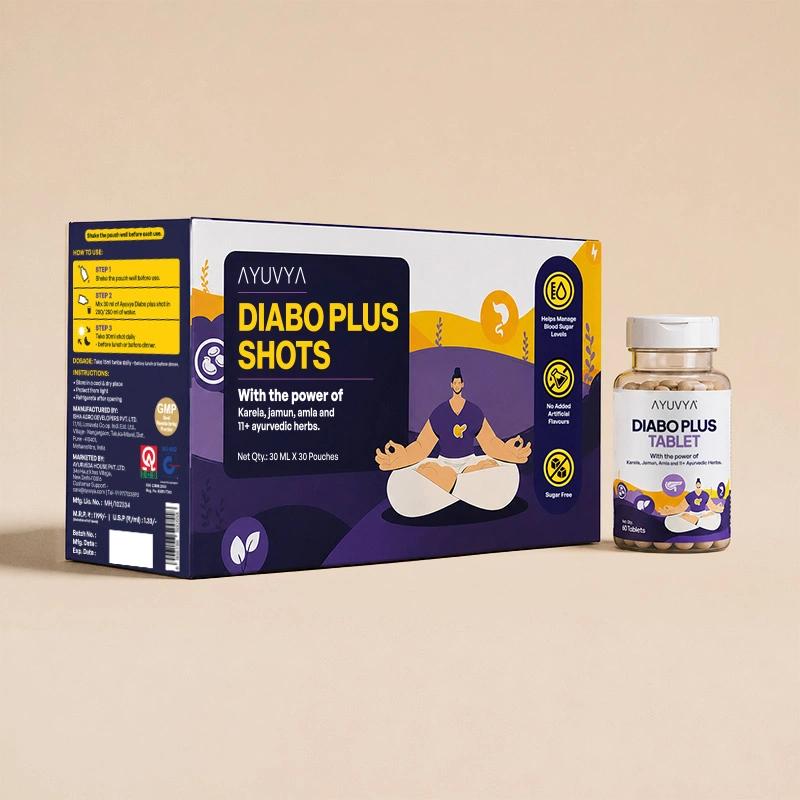
At Ayuvya, our Sugar Management range includes two relevant options: Diabo Plus Shots and Diabo Plus Tablets.
Ayuvya Diabo Plus Shots
A liquid Ayurvedic formulation featuring ingredients such as fenugreek, karela, jamun, amla, gurmar, neem, giloy and curcumin. It offers a convenient liquid format for people exploring herbal wellness supplements.
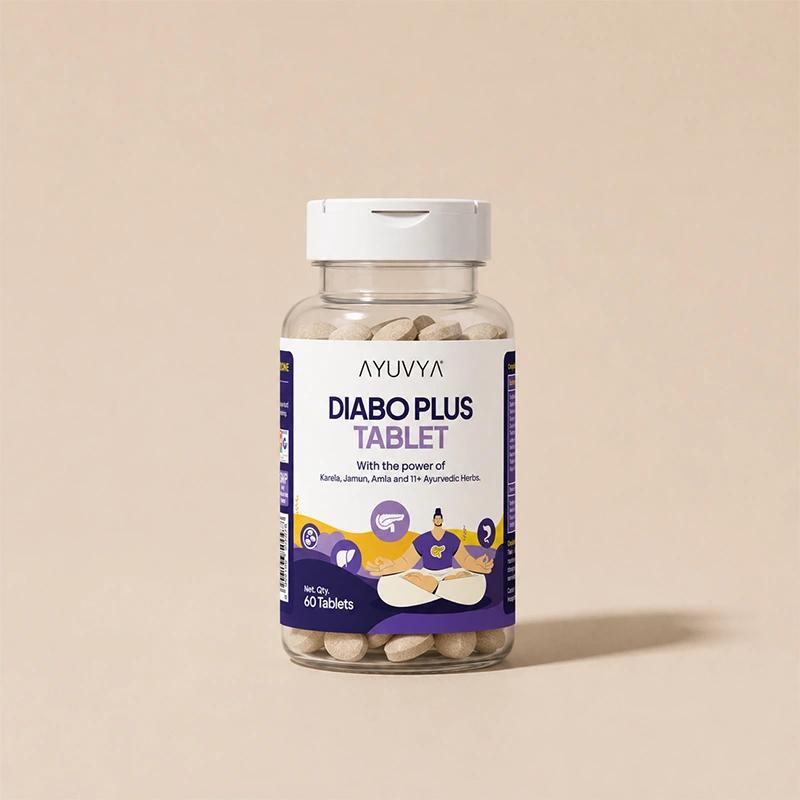
Ayuvya Diabo Plus Tablets
A tablet-format option available in Ayuvya's Sugar Management collection for those exploring an alternative supplement format.
Neither formulation should be considered a cure or a substitute for prescribed diabetes medication. Check the product label and seek professional advice about its suitability.
Ayurvedic Medicine for Weight Loss and Diabetes: Understanding the Connection
Excess body weight, particularly around the abdomen, can contribute to insulin resistance. For people with Type 2 diabetes who are overweight, gradual and sustainable weight management can support better blood glucose control.
An Ayurvedic medicine for weight loss and diabetes may appeal to people interested in traditional wellness practices, but supplements alone cannot produce reliable or lasting weight loss.
A balanced routine should include:
- Fibre-rich foods: Include vegetables, pulses, whole grains and other sources of dietary fibre.
- Portion control: Pay attention to carbohydrate portions and avoid frequent consumption of sugary drinks.
- Regular exercise: Walking, cycling and strength-based activities can support metabolic health.
- Adequate sleep: Maintain a consistent sleep routine.
- Stress management: Yoga, meditation and breathing exercises can support overall well-being.
Weight management should be individualised. Healthcare professionals can help determine suitable weight goals, particularly for people taking diabetes medication.
Ayurvedic Medicine Made from Bhasma for Diabetes: Benefits and Safety
Bhasma refers to specially processed substances used in certain traditional Ayurvedic preparations. These preparations may contain mineral or metallic ingredients that undergo traditional purification and calcination processes.
The keyword Ayurvedic medicine made from Bhasma for diabetes is relevant to people researching traditional mineral-based formulations. However, it is important to understand their composition and safety before considering their use.
Consider these points:
- Know the ingredients: Check whether a formulation contains herbal, mineral or metallic components.
- Verify quality: Look for reliable manufacturing information and independent testing for contaminants.
- Understand potential risks: Lead, mercury and arsenic exposure can cause serious health problems.
- Seek professional guidance: Consult a qualified healthcare professional before using mineral-based Ayurvedic preparations.
Not every Bhasma preparation has the same composition or safety profile. Improperly manufactured or contaminated Ayurvedic products can expose users to harmful heavy metals.
Ayuvya's reviewed Diabo Plus formulations are presented as herbal formulations. They should not be described as Bhasma-based medicines.
Dietary and Lifestyle Changes That Support Type 2 Diabetes Management
Ayurvedic medicine for Type 2 diabetes is only one part of a broader wellness approach. Daily food choices, physical activity and consistent health monitoring remain important.
Some practical habits include:
- Choose whole grains, vegetables and pulses more frequently.
- Include appropriate portions of protein-rich foods.
- Limit refined carbohydrates and added sugars.
- Avoid relying on sugary drinks for hydration.
- Walk regularly and reduce prolonged sitting.
- Maintain a consistent sleep schedule.
- Monitor blood glucose according to medical advice.
People looking for practical dietary approaches can also read about home remedies for diabetes and natural remedies for diabetes. These resources can provide additional information about traditional wellness practices, although home remedies should not replace prescribed treatment.
Yoga and meditation can also form part of a healthy routine. However, they should complement appropriate medical treatment rather than replace it.
Can Ayurvedic Medicine Be Taken Alongside Diabetes Medication?
Some people consider Ayurvedic medicine for Type 2 diabetes while already taking medicines such as metformin or other glucose-lowering treatments. Combining supplements with medication requires professional guidance.
Certain herbs may influence blood glucose levels and potentially increase the risk of hypoglycaemia when combined with diabetes medicines.
Before starting a supplement:
- Inform your doctor about all herbs and supplements you use.
- Share the complete ingredient list.
- Ask about possible medication interactions.
- Follow your prescribed treatment plan.
- Monitor blood glucose as advised.
- Never reduce or discontinue prescribed medication without medical supervision.
The safety of a supplement depends on its ingredients, formulation, dosage and individual health circumstances.
Why Consider Ayuvya for Ayurvedic Diabetes Wellness?
At Ayuvya, our approach brings traditional Ayurvedic ingredients into modern wellness formulations. Our Sugar Management range includes Diabo Plus Shots and Diabo Plus Tablets, offering two different supplement formats.
People exploring Ayurvedic medicine for Type 2 diabetes can review the ingredients, product information and usage instructions before deciding whether a supplement is appropriate for their routine.
The choice should always be guided by individual health needs and professional medical advice.
Conclusion: Make Informed Choices for Better Diabetes Management
Managing Type 2 diabetes requires consistency, informed decisions and appropriate medical care. Ayurvedic medicine for Type 2 diabetes may be explored as a complementary wellness option, but herbal ingredients should not be considered substitutes for proven diabetes treatments.
A balanced diet, regular exercise, weight management and blood glucose monitoring remain essential. Before choosing any Ayurvedic formulation, understand its ingredients, check its quality and discuss its suitability with your healthcare professional.
Explore Ayuvya's Sugar Management range. Discover Diabo Plus Shots and Diabo Plus Tablets, review their formulations and product information, and make an informed decision about incorporating a supplement into your wellness routine with appropriate professional guidance.