
Managing diabetes often involves making small, consistent changes to everyday habits. Herbs for diabetes cure is a popular search among people exploring natural wellness, but the goal should be safe blood sugar management rather than replacing medical treatment. At Ayuvya, we believe informed choices, balanced nutrition, and responsible Ayurvedic wellness can complement a healthcare professional's guidance. Exploring Ayuvya's Ayurvedic healthcare products can help you learn about complementary wellness options while keeping evidence-based diabetes care a priority.
Can Herbs Help Support Diabetes Management?
Diabetes affects how the body regulates blood glucose. In type 1 diabetes, the body produces little or no insulin, while type 2 diabetes involves insulin resistance and, over time, inadequate insulin production. Both conditions require appropriate medical care.
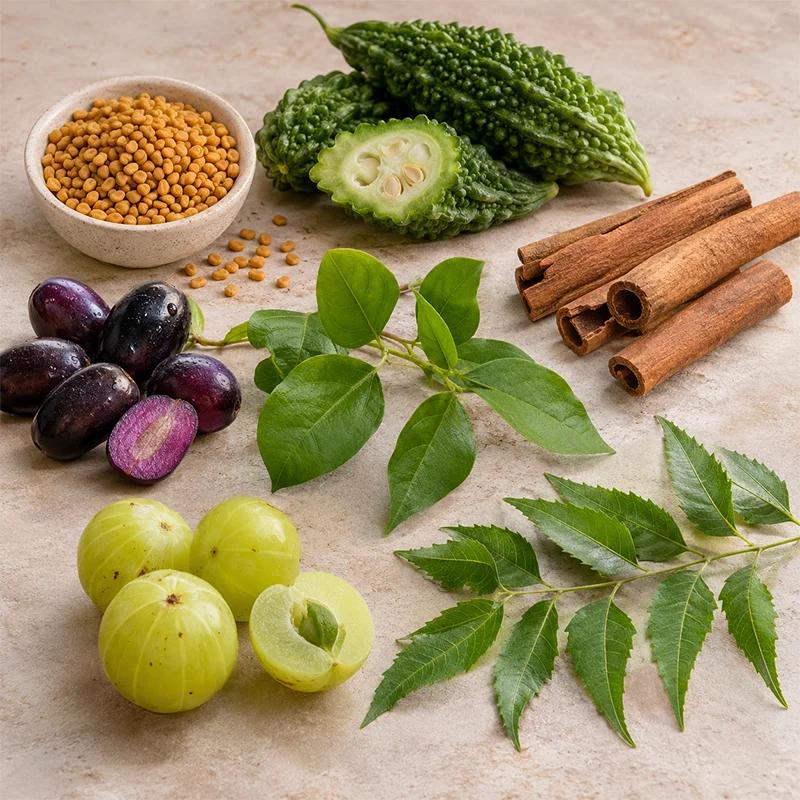
Herbs have a long history in traditional Indian wellness practices. Ingredients such as fenugreek, bitter gourd, cinnamon, and jamun are commonly used in diets and herbal preparations. Some have been studied for their potential effects on glucose regulation, but the available evidence is inconsistent and does not establish any herb as a cure.
A practical approach combines:
- Balanced meals with vegetables, fibre-rich foods and appropriate portions.
- Regular physical activity suited to individual abilities.
- Consistent sleep and stress management.
- Blood glucose monitoring as recommended by a healthcare professional.
- Prescribed medicines and regular medical reviews.
Natural approaches work best as part of an informed care routine, not as substitutes for proven diabetes treatment.
Recognising the symptoms of high blood sugar can help you understand when to seek medical advice.
7 Herbs Traditionally Used for Blood Sugar Support
The following herbs appear in traditional diets and Ayurvedic practices. Their potential benefits vary, and concentrated extracts can have different effects from ordinary food portions.
1. Fenugreek (Methi)
Fenugreek seeds contain soluble fibre and compounds that have attracted interest for their potential effects on glucose metabolism. The fibre may slow digestion and influence how quickly carbohydrates are absorbed.
Fenugreek is commonly added to dals, vegetable dishes and other Indian meals. However, research on its blood sugar effects remains limited, and results vary.
How to use it: Include fenugreek in ordinary meals if it suits your diet. Consult a healthcare professional before taking concentrated supplements, particularly if you use glucose-lowering medication.
2. Bitter Gourd (Karela)
Bitter gourd is a familiar vegetable in Indian cooking and a traditional ingredient in diabetes-related wellness practices. It contains several biologically active compounds that have been investigated for possible metabolic effects.
However, evidence from human studies is insufficient to establish bitter gourd as an effective diabetes treatment.
How to use it: Enjoy karela as part of a balanced diet rather than relying on its juice or extracts to control blood glucose. Concentrated preparations may increase the risk of low blood sugar when combined with certain medicines.
3. Cinnamon (Dalchini)
Cinnamon adds flavour to porridge, beverages and everyday recipes without requiring added sugar. Research has examined its possible effects on blood glucose, but findings are mixed and do not establish it as a reliable treatment.
How to use it: Use cinnamon in normal culinary amounts if you enjoy its flavour. Avoid assuming that high-dose supplements are more effective. Cassia cinnamon, in particular, contains coumarin, which can pose liver-related risks with excessive or prolonged intake.
4. Jamun (Indian Blackberry)
Jamun is a seasonal fruit valued for its flavour and nutritional content. Its seeds are also used in traditional Indian preparations associated with blood sugar management.
Although jamun and its extracts have received scientific interest, strong clinical evidence supporting them as a diabetes treatment remains lacking.
How to use it: Enjoy whole jamun as part of a varied diet, accounting for its carbohydrate content. Do not replace medication with jamun seed powder or other concentrated preparations.
5. Gurmar (Gymnema Sylvestre)
Gurmar is an Ayurvedic herb traditionally associated with sugar-related wellness. Certain compounds in the plant have been studied for their potential effects on sweet taste perception and glucose regulation.
However, research remains limited, and gurmar has not been established as a cure for diabetes.
How to use it: Seek professional advice before using gurmar supplements. Combining them with diabetes medication may increase the risk of hypoglycaemia.
6. Amla (Indian Gooseberry)
Amla contains vitamin C and other plant compounds and is widely used in Indian food and traditional wellness practices. It can contribute to a varied, nutrient-rich diet.
Its specific benefits for diabetes management remain uncertain, and eating amla does not guarantee improved blood glucose levels.
How to use it: Include fresh amla or suitable unsweetened preparations in your diet. Check the sugar content of packaged juices and sweetened amla products.
7. Neem
Neem has a long history of use in Ayurveda. Its leaves and extracts contain compounds studied for various biological effects, including possible metabolic activity.
However, sufficient clinical evidence is not available to recommend neem as a diabetes treatment. Concentrated preparations may also cause adverse effects.
How to use it: Avoid self-prescribing neem extracts or drinking medicinal preparations without professional advice, especially if you take diabetes medication or have an underlying medical condition.
How to Support Blood Sugar Naturally Through Daily Habits
Herbs for diabetes cure may attract attention, but sustainable daily habits have a more established role in supporting diabetes management. Consistency matters more than relying on a single ingredient.
Eat Balanced, Fibre-Rich Meals
Build meals around vegetables, legumes, whole grains, and suitable sources of protein. Fibre-rich foods can support digestion and help moderate the rise in blood glucose after eating.
Pay attention to portion sizes and the total carbohydrate content of meals. Individual requirements vary, so a registered dietitian can help create a suitable eating plan.
If you experience symptoms that may indicate low blood sugar, learn what to eat for low blood sugar and follow your healthcare professional's advice on treating hypoglycaemia.
Reduce Added Sugar
Sweetened tea, coffee, packaged drinks, and desserts can contribute substantial amounts of added sugar. Reducing these sources can help improve overall dietary quality.
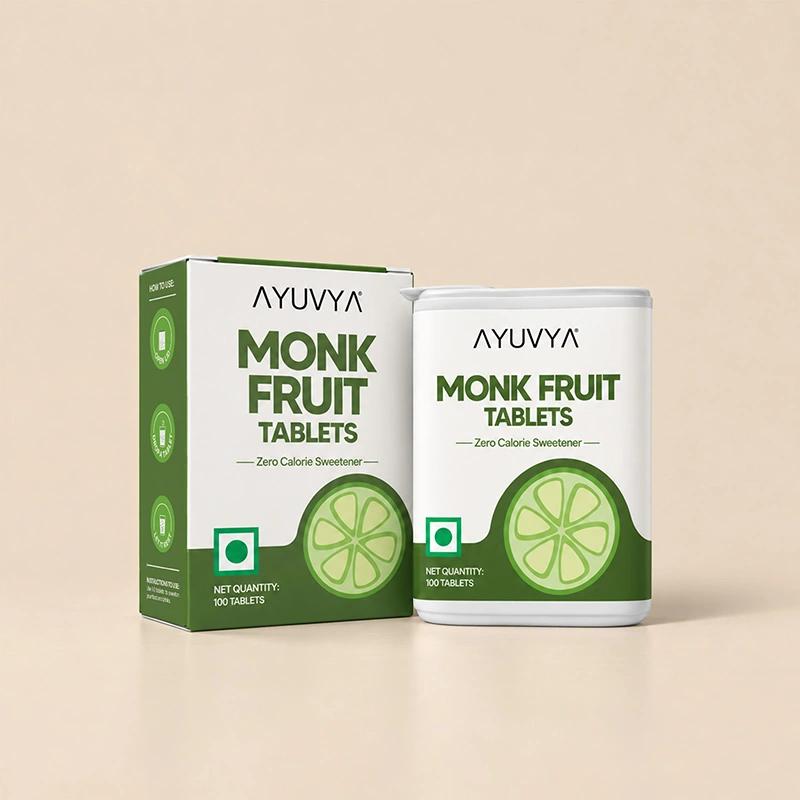
For people who want to reduce added sugar in everyday beverages, Ayuvya Monk Fruit Tablets may be worth exploring as a sweetener option. Review the product ingredients and directions, and remember that a sugar substitute does not itself treat diabetes.
Stay Physically Active
Walking, cycling, swimming, and other suitable activities help muscles use glucose. Regular movement can also support cardiovascular health and overall wellbeing.
Start at a manageable level and increase activity gradually. People with complications or other health concerns should ask their healthcare professional which activities are appropriate.
Prioritise Sleep and Stress Management
Irregular sleep and ongoing stress can make diabetes management more challenging. Maintain a consistent sleep schedule and consider relaxing activities such as gentle yoga, breathing exercises or meditation.
Monitor Blood Glucose Regularly
Glucose monitoring helps identify patterns and assess how meals, physical activity, and medicines affect blood sugar. Follow your clinician's recommendations for testing frequency and target ranges rather than relying on symptoms alone.
How to Choose Ayurvedic Supplements Responsibly
Ayurvedic supplements can vary in ingredients, concentration, and quality. A product's traditional use does not automatically prove that it is effective or suitable for every person.
When considering a supplement:
- Read the complete ingredient list and usage instructions.
- Check quality information and relevant warnings.
- Avoid products that promise a guaranteed cure or immediate results.
- Consult a healthcare professional about possible interactions.
- Continue prescribed treatment and recommended glucose monitoring.
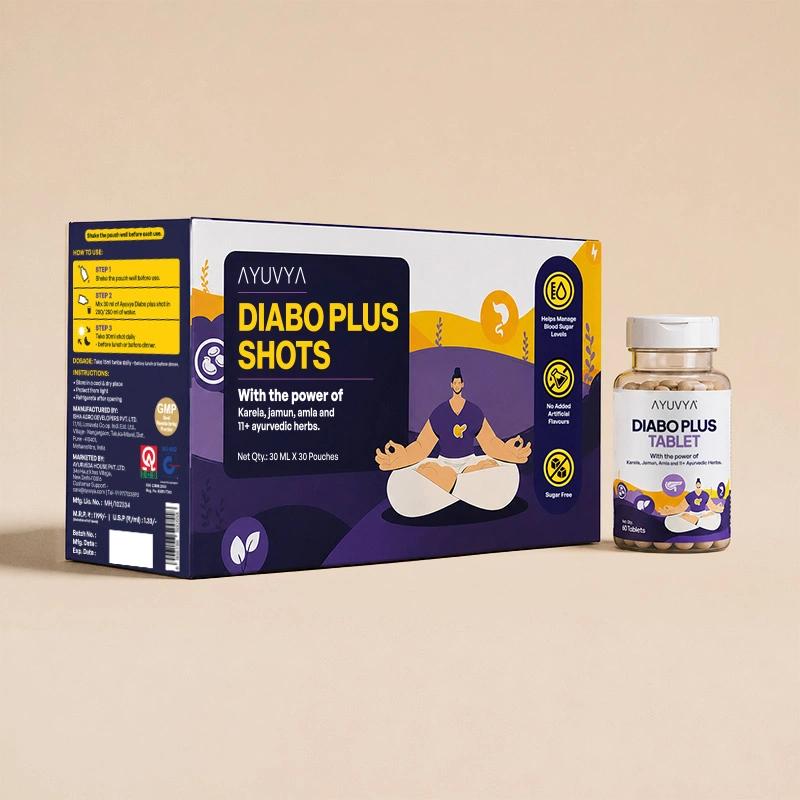
Ayuvya's Sugar Management collection includes Diabo Plus Shots and Diabo Plus Tablets, which are options to explore if you are interested in Ayurvedic supplement formats. Review their ingredients and product directions carefully, and consult your healthcare professional before adding either product to your routine.
These products should be considered only as potential complementary wellness options, not as proven diabetes treatments. Do not stop insulin or other prescribed medicines because you have started taking an herbal supplement.
Safety Precautions Before Trying Herbal Remedies
Even familiar herbs can cause side effects or interact with medicines. Some supplements may lower blood glucose, increasing the risk of hypoglycaemia when combined with prescribed treatment.
Keep these precautions in mind:
- Never stop or reduce diabetes medication without medical guidance.
- Ask a healthcare professional before taking concentrated herbal extracts.
- Seek advice if you have kidney or liver problems, are pregnant, or have other significant health conditions.
- Choose products with transparent ingredients and clear directions.
- Seek prompt medical care for severe symptoms of low or high blood glucose.
Responsible use means understanding both the potential benefits and the limitations of natural remedies.
Conclusion: Make Informed Choices for Blood Sugar Management
Herbs for diabetes cure remains a common search, but safe diabetes care is built on realistic expectations. Fenugreek, bitter gourd, cinnamon, jamun and other traditional herbs may have potential uses, yet none has been proven to cure diabetes. Balanced nutrition, physical activity, monitoring and prescribed treatment remain central to long-term management.
Explore Ayurvedic Wellness with Ayuvya
If you are exploring complementary options for your wellness routine, visit the Ayuvya Sugar Management collection to discover Diabo Plus Shots, Diabo Plus Tablets and other selected products.
Review the ingredients, understand the directions and speak with your healthcare professional to determine what may suit your needs. Take an informed approach to everyday wellness with Ayuvya.
Ayuvya products are not intended to diagnose, treat, cure or prevent disease. Do not replace or adjust prescribed diabetes medication without medical advice.