
Managing diabetes involves more than avoiding sweets. Home remedies for diabetes can include practical food choices, daily movement, consistent sleep, and carefully evaluated traditional ingredients. At Ayuvya, we believe sustainable wellness begins with informed choices and a routine that suits your needs. Understanding which habits are useful, which remedies need caution, and when medical guidance matters can help you make better decisions. You can also explore Ayuvya's Ayurvedic health care products for more information about its wellness range.
What Are Home Remedies for Diabetes?
Home remedies are everyday dietary and lifestyle practices that may support blood glucose management alongside appropriate medical treatment. They include eating balanced meals, staying physically active, managing stress and choosing minimally processed foods.
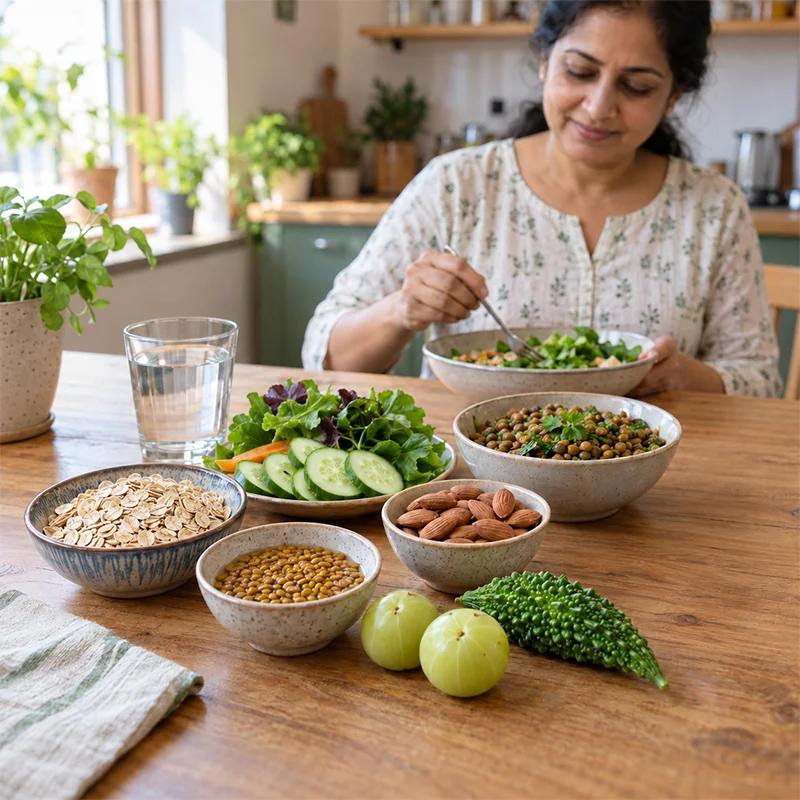
Some traditional ingredients, including fenugreek, bitter gourd (karela), amla and cinnamon, have been studied for their potential metabolic effects. However, research findings vary, and no single ingredient reliably controls diabetes on its own.
The goal is not to find a quick fix. It is to build habits that support long-term health while following your prescribed treatment plan.
10 Home Remedies for Diabetes to Support Daily Wellness
1. Eat More Fibre-Rich Foods
Fibre supports digestion and can help slow the absorption of carbohydrates, reducing sharp rises in blood glucose after meals. It also supports fullness and digestive health.
Include foods such as:
- Oats and whole grains
- Lentils, chickpeas and beans
- Leafy vegetables and other non-starchy vegetables
- Whole fruits such as apples, guavas and pears
- Nuts and seeds in suitable portions
Choose whole fruits over fruit juice because whole fruit retains its fibre. Increase fibre gradually and drink enough water.
2. Choose Balanced Meals
What you eat, how much you eat and how you distribute carbohydrates throughout the day can affect blood glucose levels.
A practical approach is to fill half your plate with non-starchy vegetables, one-quarter with protein-rich foods and one-quarter with carbohydrate-containing foods such as whole grains or other suitable starches.
Helpful habits include:
- Choosing whole grains more often than refined grains.
- Including protein from foods such as lentils, eggs, fish, tofu or lean meats.
- Limiting sugary drinks and frequent high-sugar snacks.
- Keeping meal portions consistent with your individual care plan.
You do not necessarily need to eliminate every carbohydrate. Focus on food quality, portion sizes, and your body's response. For more practical advice, read how to control sugar levels and learn how everyday food choices can fit into a blood sugar management routine.
3. Include Regular Physical Activity
Muscles use glucose for energy, and regular physical activity can improve insulin sensitivity. Exercise can therefore be an important part of managing type 2 diabetes.
Try activities that fit your fitness level, such as:
- Brisk walking
- Cycling
- Swimming
- Dancing
- Strength exercises
Even short walks after meals may be useful for some people. Build activity gradually and seek medical advice before starting strenuous exercise if you have complications or other health concerns.
If you use insulin or medicines that can cause low blood sugar, discuss exercise-related precautions with your healthcare professional.
4. Understand Fenugreek Seeds
Fenugreek, also known as methi, is widely used in Indian cooking and traditional wellness practices. Its soluble fibre and other plant compounds have attracted research interest for their possible effects on glucose metabolism.
Fenugreek can be included in ordinary meals as part of a balanced diet. However, the amount used in food is not equivalent to a concentrated supplement, and evidence does not establish it as a standalone diabetes treatment.
Concentrated fenugreek supplements may interact with diabetes medication and can cause digestive discomfort. Ask your healthcare professional before using them regularly for blood sugar management.
5. Include Bitter Gourd in Your Diet
Bitter gourd, or karela, is a familiar ingredient in Indian cuisine. It contains plant compounds that researchers have investigated for potential metabolic effects.
You can enjoy karela as part of a varied diet, including in cooked vegetable dishes. However, drinking bitter gourd juice does not guarantee lower blood glucose, and the available clinical evidence remains limited.
Avoid replacing prescribed medication with karela juice or supplements. If you are taking glucose-lowering medicines, discuss concentrated preparations with your clinician before use.
6. Explore Cinnamon Carefully
Cinnamon adds flavour to porridge, yoghurt and other foods without requiring added sugar. Some studies have examined its potential effect on blood glucose, but results are inconsistent.
Use cinnamon as a culinary ingredient rather than relying on large amounts as a treatment. Cassia cinnamon contains coumarin, which can harm the liver when consumed in excessive amounts over time.
If you are considering cinnamon supplements, speak with your healthcare professional, particularly if you have liver problems or take regular medication.
7. Maintain a Consistent Sleep Routine
Poor or insufficient sleep can affect appetite, energy and the body's response to insulin. Regular sleep habits support overall metabolic health and make it easier to maintain healthy routines.
To improve sleep quality:
- Aim for a consistent bedtime and wake-up time.
- Reduce caffeine late in the day.
- Limit screen use close to bedtime.
- Keep your bedroom comfortable and quiet.
Persistent snoring, disrupted sleep or daytime exhaustion may warrant medical evaluation, especially because sleep apnoea is associated with metabolic health problems.
8. Manage Stress Effectively
Stress can affect blood glucose through hormonal changes and can also disrupt eating, sleep and medication routines.
Consider practical ways to manage daily pressure:
- Try slow breathing or guided relaxation.
- Spend time walking outdoors.
- Practise yoga if appropriate for your health and mobility.
- Maintain social connections.
- Make time for enjoyable, non-work activities.
Stress management cannot replace diabetes treatment, but it can help you maintain routines that support your overall well-being.
9. Stay Hydrated
Water is a sensible everyday choice because it supports normal body functions without adding sugar. Replacing sugary drinks with water can also reduce excess sugar and calorie intake.
Keep water accessible throughout the day and drink according to your needs, activity and medical advice. People with certain heart or kidney conditions may need fluid restrictions.
Unsweetened tea can be another option, depending on your health needs. Remember that staying hydrated is beneficial for general health, but drinking extra water does not independently cure or control diabetes.
For further information about lifestyle approaches, explore how to reduce blood sugar levels naturally. These approaches should complement your prescribed treatment rather than replace it.
10. Monitor Blood Glucose and Attend Check-Ups
Monitoring helps you understand how meals, activity, medication and illness affect your blood glucose. Your clinician may recommend a home glucose meter, a continuous glucose monitor or periodic HbA1c testing, depending on your treatment plan.
Useful practices include:
- Follow your recommended monitoring schedule.
- Record readings when advised.
- Note unusual readings and associated symptoms.
- Attend scheduled appointments and laboratory tests.
- Discuss repeated high or low readings with your healthcare professional.
Monitoring provides information to guide treatment. Do not adjust or discontinue prescribed medicines without medical advice.
Ayurvedic Remedies for Diabetes: What Should You Know?
Ayurvedic traditions include ingredients such as amla, jamun, gurmar and karela in wellness practices. Some individual ingredients have been studied for possible effects on glucose metabolism, but the quality and consistency of the evidence vary.
Natural does not automatically mean safe. Herbal products can have side effects, interact with medication or vary in composition.
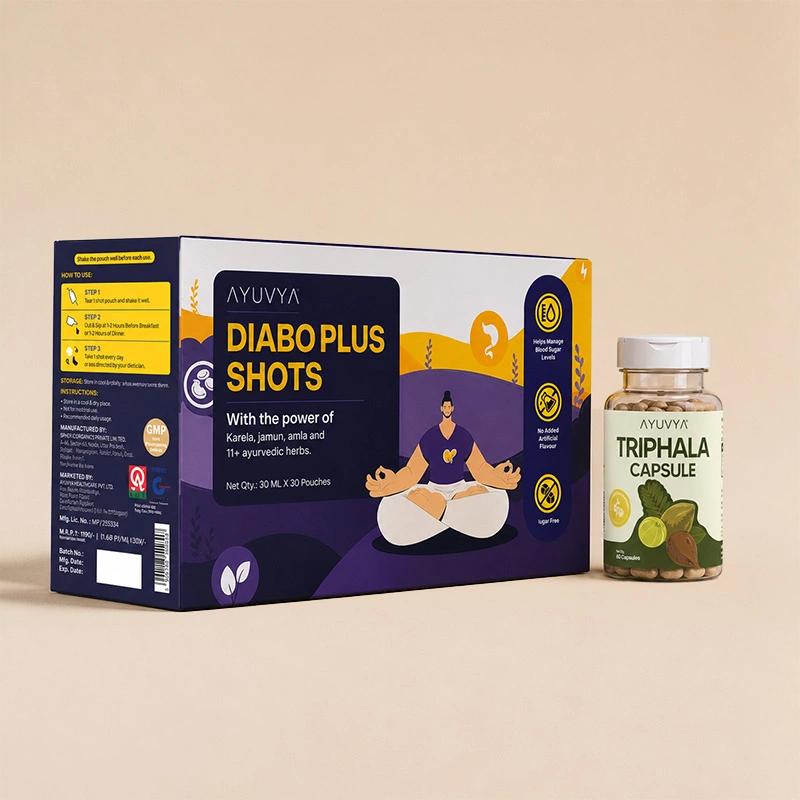
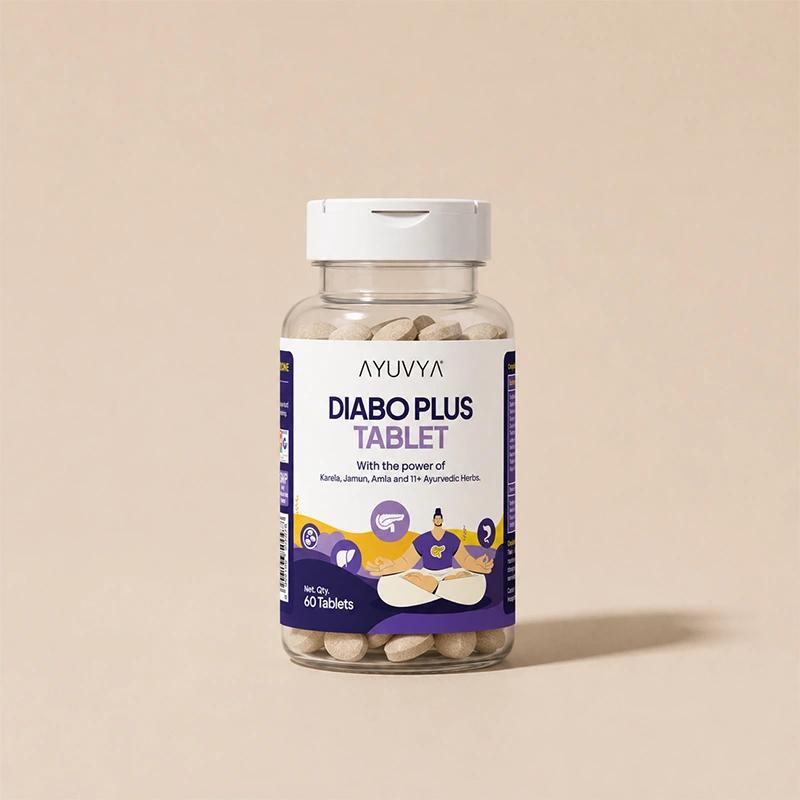
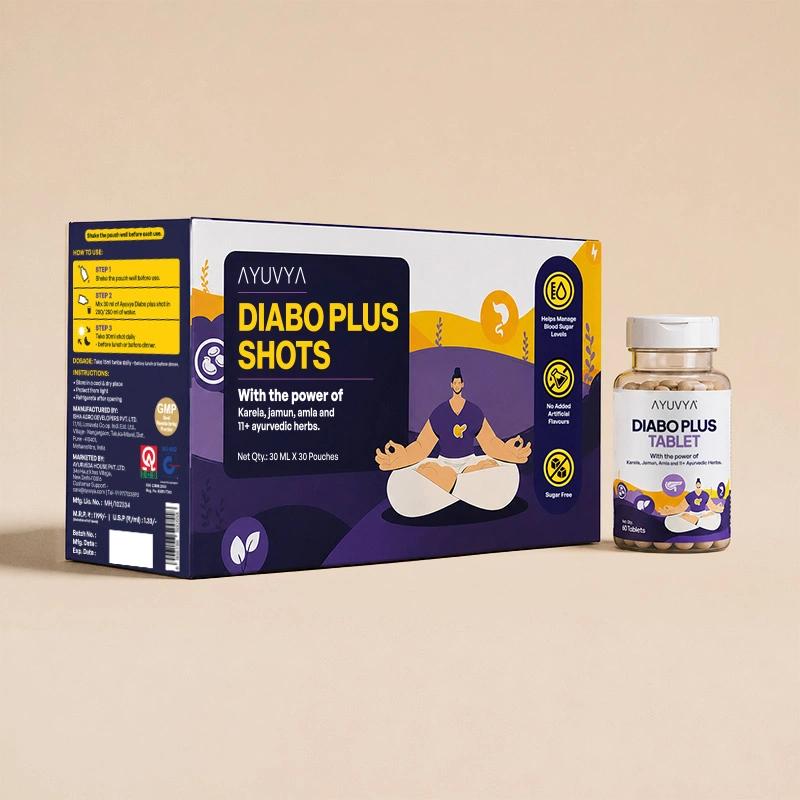
At Ayuvya, our Sugar Management collection includes options such as Ayuvya Diabo Plus Shots and Ayuvya Diabo Plus Tablets for adults exploring Ayurvedic wellness products. These products are not substitutes for prescribed diabetes treatment and are not intended to diagnose, treat, cure or prevent diabetes. Review product ingredients and consult your healthcare professional before use.
People taking glucose-lowering medication should also be aware of low blood sugar. If you experience a low reading, follow your clinician's recommended treatment plan. For general dietary guidance, read what to eat for low blood sugar.
What Foods Should You Limit When Managing Diabetes?
Rather than following an unnecessarily restrictive diet, focus on reducing foods and drinks that make balanced eating more difficult.
Limit or moderate:
- Sugary drinks, sweetened tea and packaged juices
- Frequent sweets and desserts
- Highly refined snacks and baked goods
- Large portions of refined carbohydrates
- Ultra-processed foods high in added sugar or excess calories
You can still enjoy favourite foods in appropriate portions. A registered dietitian or diabetes educator can help you develop a realistic eating plan based on your preferences, culture, medication and health goals.
How Can You Make Your Routine More Sustainable?
Start with a few manageable changes rather than attempting to change everything at once.
For example, you could:
- Replace one sugary drink each day with water.
- Add vegetables or a fibre-rich food to a regular meal.
- Take a short walk after a meal, if appropriate.
- Set a consistent bedtime.
- Track glucose according to your clinician's instructions.
Review your progress with your healthcare team and adjust your routine as needed. Sustainable habits are generally more practical than extreme diets or promises of rapid results.
Build a More Informed Wellness Routine with Ayuvya
Managing blood sugar is a long-term process built around balanced eating, regular movement, appropriate monitoring and personalised medical care. No single food, herb or supplement can replace these foundations.
If you are exploring Ayurvedic wellness products as part of your routine, discover Ayuvya's Sugar Management collection, including Diabo Plus Shots, Diabo Plus Tablets and Monk Fruit Drops as a sugar-substitute option. Check the ingredients and directions, and seek professional guidance before using supplements if you have diabetes or take medication.
Medical disclaimer: This article is for educational purposes and is not a substitute for individual medical advice. Herbal supplements may interact with medicines. Consult your healthcare professional before changing your diet, starting a supplement or modifying your diabetes treatment.