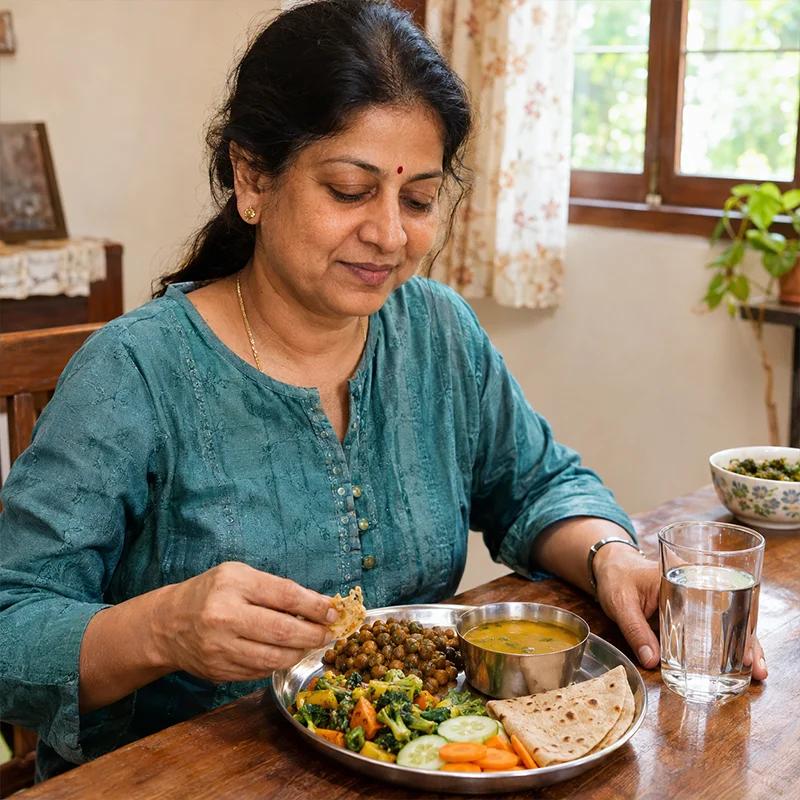


Managing diabetes starts with everyday habits that support healthier blood sugar levels. Natural remedies for diabetes focus on balanced nutrition, regular movement, restorative sleep, and informed lifestyle choices. At Ayuvya, we believe wellness begins with thoughtful, consistent decisions. Explore Ayuvya’s Ayurvedic health care products and discover how to build a routine that supports your health, one manageable step at a time.
Can Natural Remedies Help Manage Diabetes?
Natural approaches can support diabetes management, particularly when they focus on nutrition, physical activity, sleep, and stress reduction. However, no home remedy can guarantee normal blood sugar levels or cure diabetes.
Type 1 diabetes requires insulin, while type 2 diabetes may require lifestyle changes, medication, or a combination of treatments. The right approach depends on an individual's health, glucose levels, medical history and treatment plan.
Understanding your glucose readings is an important part of managing diabetes. Learn what level of blood sugar is dangerous to recognise potentially concerning readings, and understand when medical attention may be necessary.
According to established diabetes care guidance, healthy eating patterns, regular physical activity and personalised medical support are important parts of managing blood glucose. Herbal supplements are not routinely recommended as a reliable way to improve glucose control.
10 Natural Remedies for Diabetes to Support Daily Wellness
1. Eat More Fibre-Rich Foods
Fibre-rich foods help slow digestion and can support more gradual rises in blood glucose after meals. They also support digestive health and help you feel satisfied for longer.
Include these foods in your daily meals:
- Vegetables such as spinach, broccoli and cauliflower.
- Legumes such as lentils, chickpeas and beans.
- Whole fruits instead of fruit juices.
- Whole grains such as oats and barley.
- Nuts and seeds in suitable portions.
Increase fibre gradually and drink enough water to help your digestive system adjust.
2. Choose Balanced Meals and Sensible Portions
What you eat and how much you eat can influence blood glucose levels. Rather than eliminating entire food groups without professional advice, focus on balanced meals and consistent portions.
A practical approach is the plate method:
- Fill half your plate with non-starchy vegetables.
- Fill one-quarter with protein sources such as eggs, fish, tofu or lean poultry.
- Fill the remaining quarter with fibre-rich carbohydrate foods, such as whole grains or legumes.
Your individual needs may differ depending on your medication, activity level and glucose targets. A registered dietitian can help you create a suitable eating plan.
3. Replace Sugary Drinks with Water
Sweetened tea, soft drinks, packaged juices and energy drinks can add substantial amounts of sugar to your daily intake.
Choose water as your regular drink. Unsweetened tea and other suitable low-calorie drinks may also fit your routine. If you enjoy sweet flavours, a suitable non-sugar sweetener may help reduce added sugar, but check the product label and consider your overall diet.
Water supports hydration; it is not a treatment for high blood glucose. For more practical guidance, explore natural ways to reduce blood sugar levels, including the role of everyday dietary and lifestyle choices.
4. Stay Physically Active
Physical activity helps your muscles use glucose and supports cardiovascular health, mood, and general fitness. You do not need to begin with an intense workout.
Try activities that fit your ability and schedule, such as:
- Walking after meals, if appropriate for you.
- Cycling or swimming.
- Gentle stretching or yoga.
- Strength exercises suited to your fitness level.
- Taking short movement breaks during prolonged sitting.
Many adults with diabetes can work towards at least 150 minutes of moderate-intensity activity each week, subject to individual medical advice. If you use insulin or certain diabetes medicines, exercise can increase the risk of low blood glucose, so discuss precautions with your healthcare professional.
5. Maintain a Consistent Sleep Schedule
Sleep is an important part of overall metabolic health. Poor or irregular sleep can make it harder to maintain healthy eating habits, manage stress, and stay active.
To improve your sleep routine:
- Aim for a consistent bedtime and wake-up time.
- Reduce caffeine late in the day if it affects your sleep.
- Limit screen use before bed.
- Keep your bedroom comfortable and quiet.
- Speak with a healthcare professional about persistent snoring or daytime sleepiness.
Good sleep supports a healthier routine, although it cannot replace diabetes treatment.
6. Manage Stress with Simple Daily Practices
Ongoing stress can affect sleep, appetite, daily activity, and blood glucose management. Finding practical ways to relax may make your overall routine easier to maintain.
Consider spending 5–10 minutes each day on slow breathing, meditation, gentle yoga, journalling, or a quiet walk. Social connection and enjoyable hobbies can also help.
Stress management is not a guaranteed way to lower blood sugar. If stress or anxiety feels overwhelming, seek appropriate professional support.
7. Understand Fenugreek and Bitter Gourd
Fenugreek seeds and bitter gourd are traditional ingredients commonly discussed in relation to blood sugar management.
Fenugreek contains fibre and other compounds, while bitter gourd contains several bioactive substances. However, research into their effects on diabetes remains limited, and the available evidence does not establish either ingredient as a dependable treatment.
You can include these foods in a balanced diet if they suit your preferences and medical needs. Concentrated extracts and supplements require greater caution, particularly if you take glucose-lowering medication.
8. Learn About Amla, Jamun and Gurmar
Amla, jamun, and gurmar have long-standing uses in traditional Ayurvedic wellness practices. They are frequently included in discussions about metabolic health and natural blood sugar support.
However, traditional use does not establish that an ingredient can control diabetes in every person. Evidence varies by ingredient, preparation, dose, and study quality.
Treat these ingredients as topics to discuss with a qualified healthcare professional, rather than substitutes for medication, glucose monitoring, or medical follow-up.
9. Monitor Blood Glucose and Attend Regular Check-Ups
Monitoring helps you understand how meals, activity, sleep, and prescribed treatment affect your blood glucose. It can also help your healthcare team identify patterns and adjust your care plan.
Follow your clinician's advice on testing frequency and target ranges. Depending on your needs, monitoring may involve a blood glucose meter or a continuous glucose monitoring device.
Regular appointments and tests such as HbA1c provide additional information about diabetes management. Learn to recognise the common symptoms of high blood sugar, which may include increased thirst, frequent urination, fatigue and blurred vision. These symptoms can have other causes, too, so seek medical advice if they occur or persist.
Do not change or discontinue prescribed medication based on a single reading or an unverified home remedy.
10. Build Sustainable Habits Instead of Chasing Quick Fixes
The most useful natural remedies for diabetes are practical habits you can maintain over time. Extreme diets, unverified detox plans, and products promising instant results can create unnecessary risks.
Start with two or three achievable changes, such as eating more vegetables, taking regular walks, and following a consistent sleep schedule. Track your progress and adjust your routine with professional guidance.
Consistency is more valuable than trying several remedies at once without understanding their effects.
What About Ayurvedic Supplements for Sugar Management?
Ayurvedic wellness products may appeal to people who want to explore traditional ingredients in convenient formats. However, supplements differ in composition and quality, and their effectiveness for diabetes management is not established simply because they contain herbs.
Ayuvya's Sugar Management collection includes products such as:
Ayuvya Diabo Plus Shots
Explore Diabo Plus Shots for information about the liquid supplement format, listed ingredients, directions, and product details. Review the complete ingredient list before use and ask your healthcare professional whether it is appropriate for you.
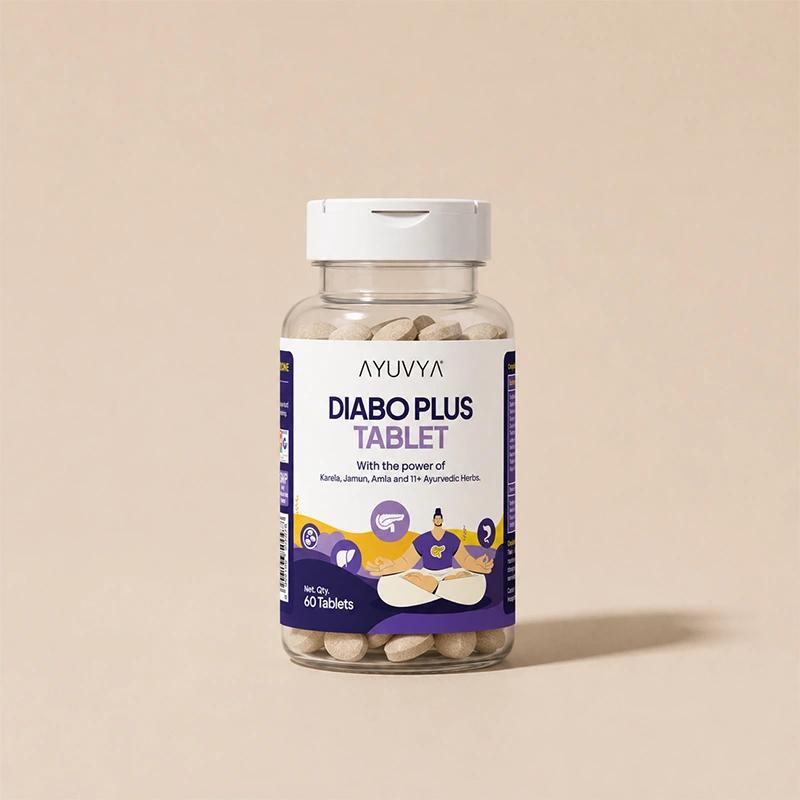
Ayuvya Diabo Plus Tablets
Explore Diabo Plus Tablets to review the tablet format and its listed ingredients. A traditional ingredient blend should not be assumed to lower blood glucose or replace prescribed treatment.
Ayuvya Monk Fruit Drops
Explore Ayuvya Monk Fruit Drops if you are looking for a sweetener option to consider as part of reducing added sugar. A sweetener is a dietary choice, not a diabetes treatment, and the full product label should guide its use.
Important: Consult your doctor or pharmacist before taking any supplement, especially if you use insulin or other diabetes medication, are pregnant, or have kidney or liver concerns. Supplements can interact with medicines and may increase the risk of low blood glucose. Never stop prescribed treatment to try an herbal product.
Build a Thoughtful Wellness Routine with Ayuvya
Healthy blood sugar management is built on informed choices, consistent habits, and appropriate medical care. Balanced meals, regular movement, good sleep, and routine monitoring can all contribute to a more sustainable approach to wellness.
Explore the Ayuvya Sugar Management collection to review the available product formats and ingredients. Choose carefully, consult your healthcare professional before adding a supplement to your routine, and keep your prescribed diabetes care at the centre of your plan.
Medical disclaimer: This article is for general educational purposes only and is not a substitute for diagnosis, treatment, or personalised medical advice. Natural products are not guaranteed to be safe or effective for diabetes management.