

Chia seeds for weight gain can be a practical addition to your diet when your overall meals provide enough calories, protein and nutrients. Chia alone is not a weight-gain solution; the way you build your daily meals matters more. If you are trying to learn how to gain weight sensibly, understanding how to use this tiny seed is a good place to start. It also helps to understand the best way to gain healthy weight as a foundation.
Can Chia Seeds Help With Weight Gain?
Yes, chia seeds can fit into a healthy weight-gain plan, but context matters. Weight increases when you consistently consume more energy than your body uses. That does not mean filling your diet with sugary or highly processed foods. A better approach is to increase calories through nutritious foods while maintaining adequate protein, carbohydrates, healthy fats, and overall dietary variety.
Chia seeds are useful because a relatively small amount can be added to foods you already enjoy. Instead of eating them alone, you can combine them with ingredients that provide additional calories and protein.
For example, adding chia to milk, yoghurt, oats, a banana smoothie or a nut-butter bowl creates a more substantial snack or breakfast. This approach also makes it easier to increase your energy intake without dramatically increasing meal volume.
Nutritional Benefits of Chia Seeds for Weight Gain
Chia seeds contain fibre, protein, unsaturated fats and alpha-linolenic acid (ALA), a plant-based omega-3 fatty acid. They also provide minerals such as calcium and magnesium. Their nutritional profile makes them a useful supporting ingredient in a varied diet rather than a standalone food for gaining weight.
Healthy Fats
Fats provide more energy per gram than protein or carbohydrates, so incorporating healthy fat sources can be useful when someone needs to increase calorie intake. Chia seeds contain predominantly unsaturated fats, making them a convenient addition to meals.
Protein and Other Nutrients
Chia contributes some plant protein, but it should not replace primary protein sources. For healthy weight gain, include foods such as milk, yoghurt, eggs, paneer, pulses, beans, soy, fish or lean meat according to your dietary preferences. For a fuller picture of your plate, you can also read about what to eat to gain weight.
Fibre and Digestion
Chia is also rich in fibre. Fibre can support digestive health, but suddenly increasing your intake may cause bloating or discomfort in some people. Increase fibre gradually and maintain adequate fluid intake.
How Do Chia Seeds Support Healthy Weight Gain?
The most important point is that chia seeds work with a calorie-surplus diet rather than creating weight gain on their own.
A practical strategy is to use them to fortify meals. NHS guidance on healthy weight gain similarly recommends adding nutritious calories to meals, eating balanced foods, including protein and using healthy calorie-dense ingredients such as nuts and seeds.
Add Them to Existing Meals
You do not need to create complicated recipes. Sprinkle chia into overnight oats, yoghurt, porridge or a smoothie. Small additions can make regular meals more nutrient-dense.
Combine Them With Calorie-Dense Ingredients
Pair chia with bananas, dates, oats, milk, yoghurt, nuts or nut butter when you need a more energy-rich meal. These combinations are generally more useful for weight gain than consuming chia with water alone. Since bananas appear in almost every combination here, it's worth reading more about using bananas for weight gain.
Focus on the Bigger Picture
Healthy weight gain is not about one "magic" ingredient. Your daily eating pattern, activity, appetite, protein intake, sleep and consistency all matter.
How Much Chia Seeds Should You Eat for Weight Gain?
There is no single amount that is ideal for everyone. A practical starting point is usually a modest serving, such as 1–2 tablespoons a day, depending on your overall diet and tolerance.
If you are not accustomed to high-fibre foods, begin with a smaller amount and increase gradually. Drinking enough fluid is also important because chia absorbs liquid.
More is not necessarily better. Eating large quantities may add unnecessary fibre and can cause digestive discomfort. Your goal should be to use chia as part of a balanced meal rather than relying on it to deliver all your additional calories.
If you are significantly underweight, have a poor appetite or are losing weight without trying, speak with a doctor or registered dietitian. Unintentional weight loss can sometimes indicate an underlying health issue and should not simply be managed by adding supplements or individual foods.
How to Eat Chia Seeds for Weight Gain
Knowing how to use chia seeds for weight gain is more important than simply adding them to your diet randomly.
1. Chia Seeds With Milk
Soak chia seeds in milk and allow them to form a soft pudding-like consistency. Add banana, dates, nuts or a little nut butter for a more substantial breakfast or snack.
2. Chia Seed Smoothie
Blend milk or yoghurt with banana, oats, nut butter and chia. This is an easy option when large solid meals feel difficult to finish.
3. Chia Pudding
Mix chia seeds with milk or yoghurt and refrigerate until thick. Top with fruit, nuts and seeds. It works well as breakfast or an evening snack.
4. Chia With Oats
Add chia to overnight oats along with milk, banana, dates, nuts and yoghurt. This combination provides carbohydrates, fats, fibre and protein in one convenient meal.
5. Chia With Yoghurt
Mix chia into plain yoghurt and add fruit, chopped nuts or nut butter. It can be prepared in minutes and works as a simple between-meal snack.
5 Easy Chia Recipes for Healthy Weight Gain
Banana-Chia Smoothie
Blend one banana with milk or yoghurt, oats, chia seeds and peanut butter. Adjust the consistency with additional milk.
Chia and Peanut Butter Oats
Combine cooked or overnight oats with milk, chia and peanut butter. Add banana or dates for extra flavour and energy.
Chia-Yoghurt Bowl
Layer yoghurt with chia, banana, dates and mixed nuts. This is particularly convenient when you want a quick snack without extensive preparation.
Chia Pudding
Soak chia in milk overnight and add fruit and nuts before serving. You can adjust the portion according to your appetite and overall meal plan.
Banana, Milk and Chia Shake
Blend banana, milk, chia and oats into a smooth drink. For a higher-energy version, add nut butter.
These examples follow a simple principle: fortify foods you already eat rather than depending on a single ingredient. Nutrition guidance for healthy weight gain commonly recommends adding nutritious calories to meals and snacks and including adequate protein.
Whether planning short-term progress or setting targets on how to gain weight in one month, maintaining dietary consistency is key.
Chia Seeds for Weight Gain vs Weight Loss
It is easy to become confused because chia seeds frequently appear in weight-loss diets as well.
The reason is that chia contains substantial fibre and can contribute to fullness. But a food does not have one fixed effect on body weight regardless of the rest of your diet.
Consider two different meals:
Lower-energy option: Chia + water + a low-calorie meal.
Higher-energy option: Chia + milk + banana + oats + peanut butter.
Both contain chia, but their overall energy and nutritional profiles are very different.
This is why the question should not simply be whether chia "causes" weight gain or weight loss. The more useful question is how it fits into your total calorie intake and dietary pattern.
What Should You Combine With Chia Seeds to Gain Weight?
If your goal is healthy weight gain, combine chia with foods that contribute meaningful calories and nutrients.
Food | Why It Works Well With Chia |
|---|---|
Milk | Adds protein and energy |
Banana | Provides carbohydrates and natural sweetness |
Peanut butter | Adds energy and healthy fats |
Oats | Adds carbohydrates and fibre |
Yoghurt | Provides protein and a creamy texture |
Nuts | Provides energy, fats and nutrients |
Dates | Adds carbohydrates and sweetness |
Paneer | Provides protein and energy |
The aim is not to make every meal extremely high in calories. Instead, gradually build meals that provide enough energy to support your individual needs.
A Balanced Approach to Healthy Weight Gain
Chia seeds for weight gain should be considered one small part of a larger routine.
A sensible weight-gain plan can include:
- Regular balanced meals
- Adequate protein
- Energy-rich but nutritious foods
- Fruits and vegetables
- Whole grains and other carbohydrate sources
- Healthy fats
- Strength or resistance training
- Adequate sleep and recovery
- Consistent eating habits
Strength training can also help support muscle development when paired with appropriate nutrition. NHS guidance recommends strength-focused activity alongside healthy weight-gain habits.
If your appetite is low, smaller meals and nourishing snacks may be easier than trying to eat very large portions. The goal is gradual, sustainable progress rather than rapid changes.
An Ayurvedic Perspective on Weight Management
Ayurveda takes a broader view of nourishment, placing importance on digestion, balanced eating and individual needs. Ayuvya's Weight & Power approach similarly describes weight management as more than simply changing body weight, highlighting nutrition, lifestyle, digestion and overall well-being.
From this perspective, chia can simply be one ingredient within a balanced eating routine. It should not be presented as a cure, a guaranteed weight-gain treatment or a substitute for proper nutrition.
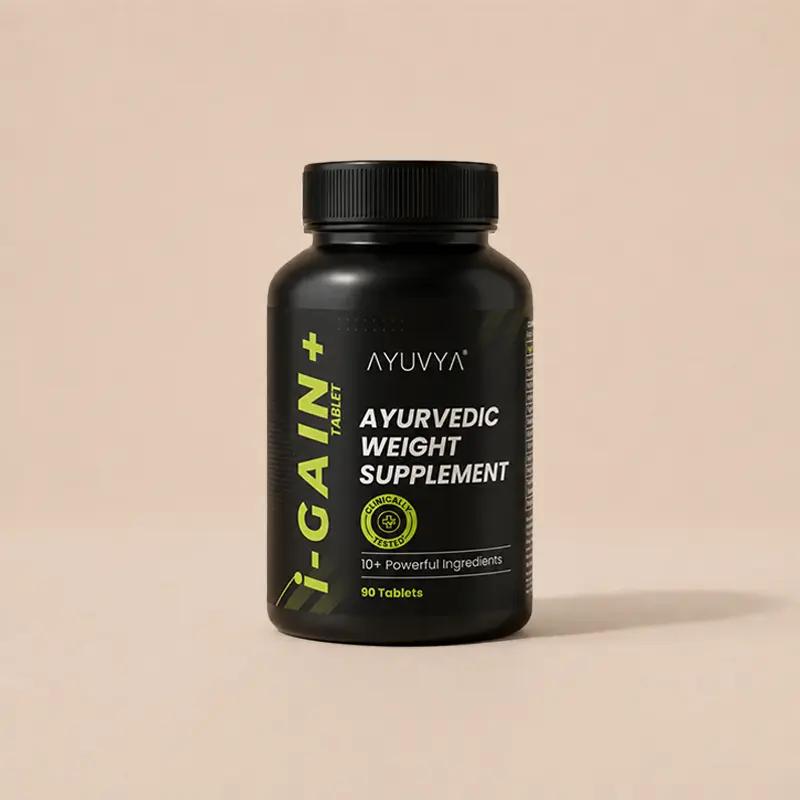
Ayuvya's weight-gain range is positioned as complementary to daily nutrition, with its weight-gain supplements intended to be used alongside a balanced, calorie-rich diet and regular exercise. The brand specifically highlights appetite, digestion, nutrient absorption, energy and strength as areas of its approach. You can browse the full range of Ayurvedic weight gain supplements as well.
When Should You Eat Chia Seeds for Weight Gain?
There is no universally proven "best" time to eat chia for gaining weight. What matters more is whether it helps you consistently meet your nutritional needs.
You can have it:
- At breakfast with oats or milk
- In a smoothie between meals
- With yoghurt as a snack
- After exercise as part of a balanced meal
- In an evening snack
Choose the timing that fits naturally into your routine. Consistency is generally more useful than chasing a specific timing rule.
Safety Tips to Keep in Mind
Chia seeds are generally easy to incorporate into meals, but moderation still matters.
- Start with a small serving if you are new to high-fibre foods.
- Drink enough fluids.
- Avoid suddenly consuming very large amounts.
- Check the ingredient list if you have food allergies.
- Speak with a healthcare professional if you have a medical condition or specific dietary restrictions.
Most importantly, do not ignore unexplained or sudden weight loss. If you are losing weight without intending to, consult a doctor rather than trying to manage the issue solely through foods or supplements.
Final Takeaway
Chia seeds can be a convenient addition to a healthy weight-gain routine, especially when combined with nourishing foods such as milk, yoghurt, oats, bananas, nuts and nut butter. But sustainable weight gain depends on your complete diet, not one ingredient.
If you want to take a broader approach to healthy weight management, explore Ayuvya's Weight & Power range, including i-Gain+ and Lets Gain, which are designed to complement balanced nutrition and an active lifestyle. Ayuvya recommends using its products as part of a consistent routine rather than as a replacement for nutritious meals.
Ready to build a more consistent weight-gain routine? Explore Ayuvya Weight & Power
Important: Ayuvya products are not intended to diagnose, treat, cure or prevent disease. Consult your physician before using supplements, particularly if you have a health condition or allergy, and follow the product label.