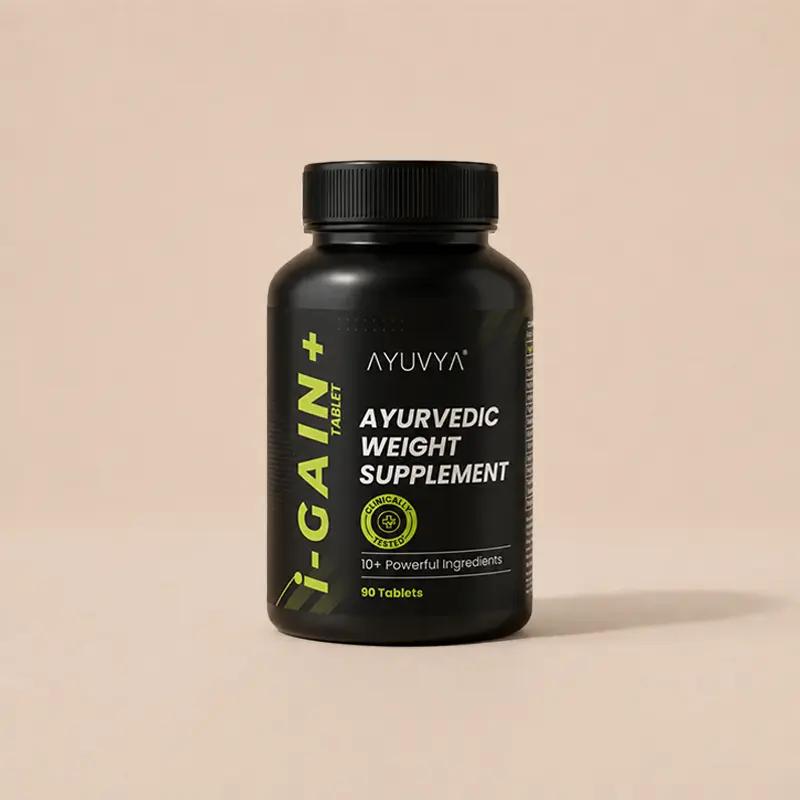


If you are trying to gain weight, the goal should be nourishing your body rather than simply eating more. Ayuvya's Weight & Power range can complement a sensible routine, while food, strength training, sleep, and consistency remain the foundation. Explore Ayuvya's weight-gain options as part of a balanced approach. So, how can you use bananas intelligently to support healthy progress?
Can Banana for Weight Gain Really Work?
Yes, bananas can fit well into a weight-gain diet. They are convenient, carbohydrate-rich, and easy to add to breakfast, snacks, or smoothies. Their calories can contribute to a calorie surplus when your overall intake is higher than the energy your body uses.
That distinction matters. A banana is not a magic weight-gain food, and eating one does not automatically increase body weight. Your overall eating pattern determines whether you gain weight over time.
Banana for Weight Gain: What Does the Nutrition Look Like?
A medium banana provides carbohydrates, fibre and micronutrients such as potassium and vitamin B6. Its calorie content varies with size and variety, so portion size matters more than one fixed number.
You can eat a banana on its own, add it to oats, blend it into a smoothie or pair it with foods that provide protein and healthy fats.
Because bananas are not a major source of protein or dietary fat, they should complement, not replace, other food groups.
How to Use Banana for Weight Gain
The simplest approach is to combine bananas with foods that add protein, healthy fats or additional carbohydrates.
Banana With Milk
A banana with milk can make a convenient snack or smoothie. Milk adds protein and calories, while the banana contributes carbohydrates. If dairy does not suit you, a suitable alternative can be used according to your dietary needs.
Banana With Peanut Butter
Peanut butter adds energy, fat, and some protein. Try it with sliced banana or blend both into a smoothie. Check the ingredient list if you want to limit added sugar.
Banana With Oats
Oats and banana make a practical breakfast. Add milk or yoghurt, nuts or seeds, and you have a more balanced meal containing carbohydrates, protein and fats.
Banana Smoothie
A homemade smoothie can help when appetite is low because drinking calories may feel easier than eating a large meal. A simple combination is banana, milk or yoghurt, oats and nut butter. For more ideas, check out these weight gain smoothies you can make at home.
How Many Bananas Should You Eat for Weight Gain?
There is no universal number. Your calorie requirements depend on factors such as body size, age, activity level, appetite and overall health.
Use an amount that fits comfortably into your normal diet. If your total calorie intake is still low, learn how to gain weight by incorporating other nutritious, calorie-dense foods rather than relying on one ingredient alone.
Is There a Best Time to Eat Bananas?
There is no scientifically established "magic" time when bananas cause more weight gain. What matters more is your total daily energy intake and whether you consistently meet your nutritional needs.
A banana can work at breakfast with oats and milk, as a snack, before or after exercise, or in an evening smoothie. The best timing is the one that fits a sustainable eating routine.
If you exercise regularly, pairing carbohydrates with adequate protein around training can support your broader nutrition and recovery goals.
Banana Shake or Whole Banana: Which Is Better?
Both can have a place in a weight-gain routine.
A whole banana provides carbohydrates and fibre and makes an easy snack. A homemade banana shake offers more flexibility because you can add milk, yoghurt, oats, nuts or nut butter, making it easier to increase the nutritional and calorie content of a serving.
Can Banana for Weight Gain Support Muscle Gain?
Bananas can support a muscle-building diet, but they do not build muscle by themselves. Muscle development depends on resistance training, sufficient energy, adequate protein and recovery.
If muscle gain is your priority, include protein-rich foods such as eggs, paneer, milk, yoghurt, lentils, beans, soy foods, chicken or fish according to your dietary preferences. Pair these with carbohydrates such as rice, oats, potatoes and fruit.
Ayuvya's current healthy weight-gain guidance similarly recommends calorie-dense foods, protein, carbohydrates, healthy fats, regular meals, strength training, sleep and recovery.
What Foods Pair Well With Banana for Weight Gain?
A weight-gain diet works better when meals contain a mix of macronutrients rather than relying on fruit alone.
Good combinations include:
- Banana + milk + oats
- Banana + peanut butter
- Banana + yoghurt + nuts
- Banana + oats + seeds
- Banana smoothie + a protein-rich meal
- Banana alongside eggs or paneer at breakfast
Other useful foods include rice, potatoes, sweet potatoes, whole-grain breads, nuts, seeds, avocado, paneer, eggs and lentils. Ayuvya's published guidance also highlights protein-rich foods, healthy fats, carbohydrate-rich foods and calorie-dense snacks. Among seeds specifically, it's worth knowing about chia seeds for weight gain.
What Could a Simple Weight-Gain Day Look Like?
You do not need a complicated meal plan. A practical day could look like this:
- Breakfast: Oats with milk, banana and nuts, plus eggs or another protein source.
- Mid-morning: Yoghurt with fruit and seeds or a peanut-butter sandwich.
- Lunch: Rice or roti with dal, paneer or another protein source, vegetables and a healthy fat.
- Evening: A homemade banana smoothie or fruit with nuts.
- Dinner: Rice, roti or potatoes with vegetables and a protein-rich dish.
- Bedtime, if needed: Milk or yoghurt with nuts.
This is a general example, not a personalised prescription. If you are looking for rapid structured progress, reading about setting realistic milestones like how to gain weight in one month can give you actionable frameworks.
Why Eating Only Bananas Is Not a Good Weight-Gain Strategy
Focusing on one food can make a diet unbalanced. Bananas provide useful carbohydrates and micronutrients, but a healthy weight-gain plan also needs adequate protein, fats and dietary variety.
Instead, build complete meals and use bananas as a convenient addition. This is easier to sustain and gives your body a wider range of nutrients. For a fuller picture of your plate, you can also read about what to eat to gain weight.
Common Mistakes to Avoid
Avoid these habits:
- Depending mainly on fast food for extra calories
- Skipping meals and compensating later
- Ignoring protein intake
- Replacing balanced meals with supplements
- Expecting major changes within a few days
- Following another person's calorie target
- Neglecting strength training when muscle gain is the goal
Ayuvya's current guidance similarly cautions against junk food, skipped meals, inadequate protein, replacing meals with supplements, and expecting dramatic results quickly.
When Should You Seek Professional Advice?
If you have unexplained weight loss, persistent difficulty gaining weight despite consistent eating, ongoing digestive symptoms, or a significant appetite change, speak with a doctor or registered dietitian.
A healthcare professional can help identify whether difficulty gaining weight relates to nutrition, activity, medication, or an underlying health condition.
Ayuvya also advises consulting a healthcare professional, particularly for people with health conditions or allergies, and reviewing product ingredients and directions before use.
Build a Consistent Weight-Gain Routine With Ayuvya
If you are looking for an Ayurvedic health care product option to complement your nutrition and lifestyle routine, Ayuvya's Weight & Power category includes i-Gain+, Lets Gain, and weight-gain combinations. The brand positions these products within a broader weight-management approach rather than as substitutes for balanced meals. You can also explore a natural weight gain powder as part of this routine.
The important part is consistency: eat nourishing meals, include adequate protein and calorie-dense foods, train appropriately, sleep well, and give your body time to respond.
Explore Ayuvya's Weight & Power range to find an option that can complement your healthy weight-gain routine. The aim is not simply to make the scale move, but to build habits that support sustainable progress.