

If you are wondering what should I eat to gain weight, start with balanced, energy-rich meals rather than simply eating more junk food. Your diet should include protein, carbohydrates, healthy fats, and enough overall calories to support gradual weight gain. Ayuvya can complement a consistent nutrition routine with authentic Ayurvedic health care products, but food remains the foundation. So, which foods deserve a place on your plate? For a broader overview, you can also read about the best way to gain healthy weight.
What Should I Eat to Gain Weight Healthily?
Healthy weight gain is about improving the quality and quantity of your food intake. Instead of relying on sweets, fried snacks or sugary drinks, build meals around foods that provide calories along with protein, healthy fats, fibre, vitamins and minerals.
A practical approach is to include a source of protein, a carbohydrate-rich food and a healthy fat in most main meals. If large meals feel difficult, add smaller snacks between them. For a complete step-by-step approach, you can also read about how to gain weight the healthy way.
Protein-Rich Foods
Protein supports muscle maintenance and growth, especially when paired with resistance training. Good options include:
- Paneer and curd
- Milk
- Eggs
- Dal and lentils
- Rajma and chana
- Soy and tofu
- Chicken and fish
- Nuts and seeds
Healthy Fats
Healthy fats are useful because they provide more calories in smaller portions. Add nuts, seeds, peanut butter, almond butter, ghee, avocado or suitable cooking oils to your meals. Among these, it's worth knowing specifically about chia seeds for weight gain.
Carbohydrate-Rich Foods
Carbohydrates provide energy and can make it easier to increase your overall calorie intake. Rice, roti, oats, potatoes, sweet potatoes, dalia, quinoa and whole grains can all fit into a balanced weight-gain diet.
Best Indian Foods for Healthy Weight Gain
If you are asking what should I eat to gain weight, Indian cuisine already offers plenty of nutritious choices. You do not need an unfamiliar or complicated diet. Simple combinations can make everyday meals more calorie- and nutrient-dense.
- Paneer: Add paneer to roti, rice, wraps, sandwiches, or vegetable preparations for protein and calories.
- Milk and curd: Use milk with breakfast or snacks and curd alongside lunch or dinner.
- Rice and dal: This classic combination provides carbohydrates and plant-based protein. Add vegetables and a suitable fat source for a more complete meal.
- Bananas: Bananas are convenient, carbohydrate-rich, and easy to combine with milk, oats, curd, or nut butter. Learn more about using bananas for weight gain.
- Nuts and seeds: Almonds, walnuts, peanuts, cashews, pumpkin seeds and sesame seeds can make snacks and meals more energy-dense.
- Dates and dried fruits: These can be added to porridge, smoothies or snack bowls in moderate portions.
- Eggs: Eggs are a convenient source of protein and can be included at breakfast, lunch or dinner.
- Potatoes and sweet potatoes: These provide carbohydrates and can be paired with protein-rich foods for a filling meal.
- Chana and rajma: Legumes add protein, carbohydrates and fibre to an Indian eating pattern.
How Many Meals Should You Eat to Gain Weight?
There is no single meal schedule that works for everyone. If your appetite is good, three substantial meals with one or two nutritious snacks may be enough. If you struggle with large portions, eating smaller meals more frequently can be easier.
A simple daily structure could look like this:
Time | Meal idea |
|---|---|
Breakfast | Oats with milk, banana and nuts |
Mid-morning | Fruit with curd or a handful of nuts |
Lunch | Rice or roti, dal, paneer/chicken and vegetables |
Evening | Banana smoothie or peanut chaat |
Dinner | Roti/rice with a protein source and vegetables |
Before bed | Milk or another suitable nourishing option |
The goal is consistency. Missing meals regularly can make it harder to maintain the calorie intake needed for gradual weight gain.
What Should I Eat to Gain Weight Without Eating Junk Food?
You can increase your calorie intake without making highly processed foods the centre of your diet. The easiest strategy is to make existing meals more nutritious and energy-dense.
For example, add nuts to oats, seeds to curd, paneer to vegetables, ghee to suitable meals, or nut butter to whole-grain toast. A homemade banana-and-milk smoothie can also be more nutrient-dense than a sugary packaged beverage.
This approach gives your body more than calories alone. It also supplies protein, fats, and micronutrients that support overall nutrition.
What Should I Drink to Gain Weight?
Drinks can be useful when appetite is limited, but they should complement meals rather than replace a balanced diet.
Consider options such as:
- Milk
- Homemade banana smoothies
- Fruit and yoghurt smoothies
- Oat-based smoothies
- Milk blended with nuts or nut butter
A useful tip is to avoid filling up on large quantities of water immediately before meals if this reduces your appetite. Hydration still matters, so maintain regular fluid intake throughout the day.
Can Protein Help With Healthy Weight Gain?
Yes, protein can support healthy weight gain when your overall diet provides enough energy. However, eating more protein alone does not guarantee weight gain.
Pair protein with adequate carbohydrates and healthy fats. For example, instead of eating paneer alone, combine it with roti and vegetables. Similarly, eggs can be paired with toast, potatoes, or another carbohydrate source.
If your goal includes gaining muscle, resistance training can make protein intake particularly relevant. Adequate sleep and recovery also matter. Men often pair their protein diet with general daily supplements for mens health, while women might explore targeted womens health supplements.
Should You Exercise While Trying to Gain Weight?
Exercise can be part of a healthy weight-gain strategy, particularly resistance training. Strength-focused exercise provides a stimulus for muscle development, while adequate food and recovery provide the nutritional support needed for adaptation.
You do not necessarily need long, exhausting cardio sessions if your primary goal is gaining weight. A balanced routine can include strength training, everyday movement and sufficient recovery.
If you are new to exercise, start gradually and consider professional guidance for a programme suited to your fitness level.
What Foods Should You Limit When Trying to Gain Weight?
Gaining weight does not mean eating anything available. Foods such as sweets, sugary drinks, heavily processed snacks and frequent deep-fried foods may provide plenty of calories but relatively little nutritional value.
That does not mean every treat has to disappear. The better approach is to make nutrient-rich foods the foundation of your diet and enjoy less nutritious foods occasionally.
Think quality first, calories second. A sustainable diet should be nourishing enough to maintain over time.
Why Am I Not Gaining Weight Even Though I Eat More?
If you feel that you are eating more but your weight is not changing, several factors may be involved. You may still be consuming fewer calories than you think; your activity level may be high, or your meal pattern may be inconsistent.
Appetite, stress, digestive issues, individual energy requirements, and underlying health conditions can also influence weight.
If you have unexplained weight loss, persistent digestive symptoms, a significant loss of appetite, or ongoing difficulty gaining weight despite eating adequately, speak with a doctor or qualified dietitian. Individual medical factors should be assessed rather than assuming that simply eating more will solve the issue.
Can Ayurveda Support a Healthy Weight-Gain Routine?
Ayurveda takes a broader view of food and lifestyle, with attention to digestion, regular eating habits, and individual needs. Ayuvya's Weight & Power category similarly positions weight management in relation to nutrition, lifestyle, and Ayurvedic principles. You can browse the full range of Ayurvedic weight gain supplements as well.
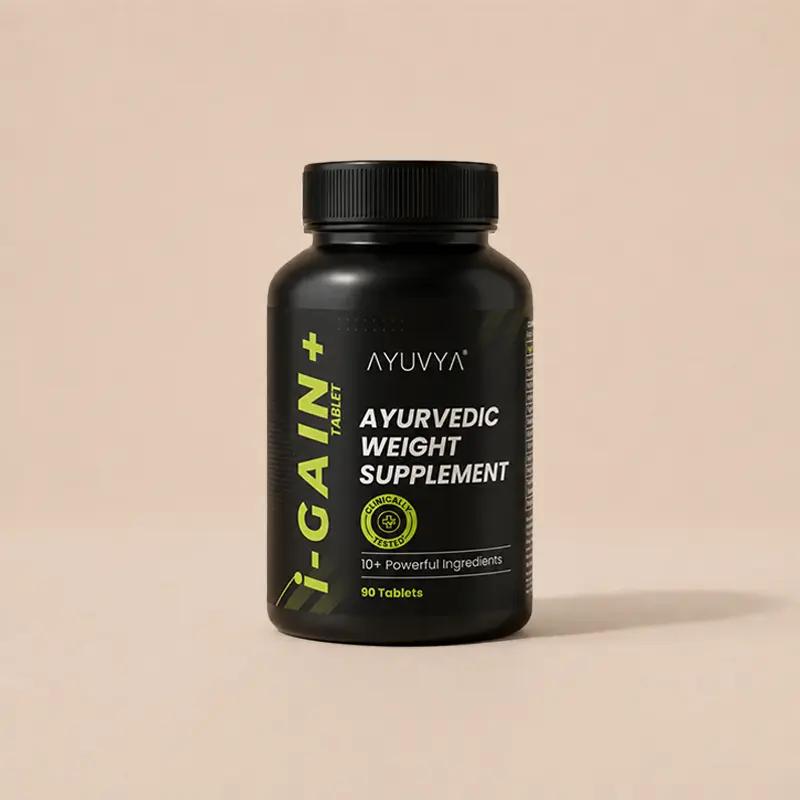
For people exploring Ayurvedic support alongside a nutritious diet, Ayuvya offers products including Ayuvya i-Gain+, Ayuvya Lets Gain, and Ayuvya Lets Gain & i-Gain+ Weight Gain Combo. The brand describes these products as supporting areas such as appetite, digestion, nutrient intake, nourishment, and healthy weight gain.
These products should be considered alongside a balanced diet rather than as a substitute for adequate food intake. Ayuvya also advises consulting a healthcare professional, particularly for people with health conditions or allergies.
A Simple Day of Eating for Weight Gain
If you are still unsure what should I eat to gain weight, start with a simple routine rather than trying to change everything at once.
- Breakfast: Oats cooked with milk, banana and nuts, or paneer paratha with curd.
- Mid-morning: Fruit, curd and a handful of nuts.
- Lunch: Rice or roti with dal, paneer or another protein source, vegetables and curd.
- Evening: Homemade banana smoothie, peanut chaat or another calorie-dense snack.
- Dinner: Roti or rice with paneer, eggs, chicken, fish or legumes and vegetables.
- Before bed: Milk if it suits your dietary needs.
Portions should be adjusted according to your appetite, activity level, and individual energy requirements.
When Should You Speak to a Doctor or Dietitian?
Healthy weight gain is not appropriate to approach as a one-size-fits-all formula. Professional guidance is especially important if you have experienced unexplained weight loss, persistent poor appetite, ongoing digestive symptoms, or difficulty maintaining your weight.
A healthcare professional can help identify potential underlying factors and determine whether you need a personalised nutrition plan.
Build a Better Weight-Gain Routine With Ayuvya
Knowing what should I eat to gain weight is only the beginning. The real difference comes from consistently eating nourishing meals, meeting your body's energy needs, getting enough protein, staying active, and allowing adequate time for progress.
If you are looking for Ayurvedic support alongside your everyday nutrition, explore Ayuvya's Weight & Power range, including Ayuvya i-Gain+, Ayuvya Lets Gain, and Ayuvya Lets Gain & i-Gain+ Weight Gain Combo. Ayuvya positions these products as part of a broader approach to healthy weight management and nourishment.
Start with your plate, stay consistent with your routine, and choose supportive nutrition that fits your lifestyle.