
Gaining weight healthily starts with choosing the right foods. The best weight gain foods provide calories, protein, healthy fats and essential nutrients without relying on junk food. A balanced Indian diet, consistent eating habits and suitable nutritional support can make the process easier. If you are wondering how to gain weight naturally, understanding your food choices is a good starting point. Ayuvya brings an Ayurvedic approach to everyday nourishment and wellness.
What Are Weight Gain Foods and How Do They Help?
Weight gain foods are foods that provide enough calories and nutrients to help the body gradually increase its weight. They include protein-rich options, healthy fats and carbohydrate sources that support energy and muscle development.
The basic principle is to consume slightly more calories than your body uses. This is known as a calorie surplus. However, the quality of those calories matters. Understanding what you should eat to gain weight can help you build a balanced eating routine.
A balanced weight gain diet should include:
- Protein: Supports muscle growth and tissue repair.
- Carbohydrates: Provide energy for daily activities and exercise.
- Healthy fats: Supply concentrated calories and support normal body functions.
- Vitamins and minerals: Help maintain overall health.
The goal is not simply to eat more but to nourish your body consistently.
15 Best Weight Gain Foods to Include in Your Daily Diet
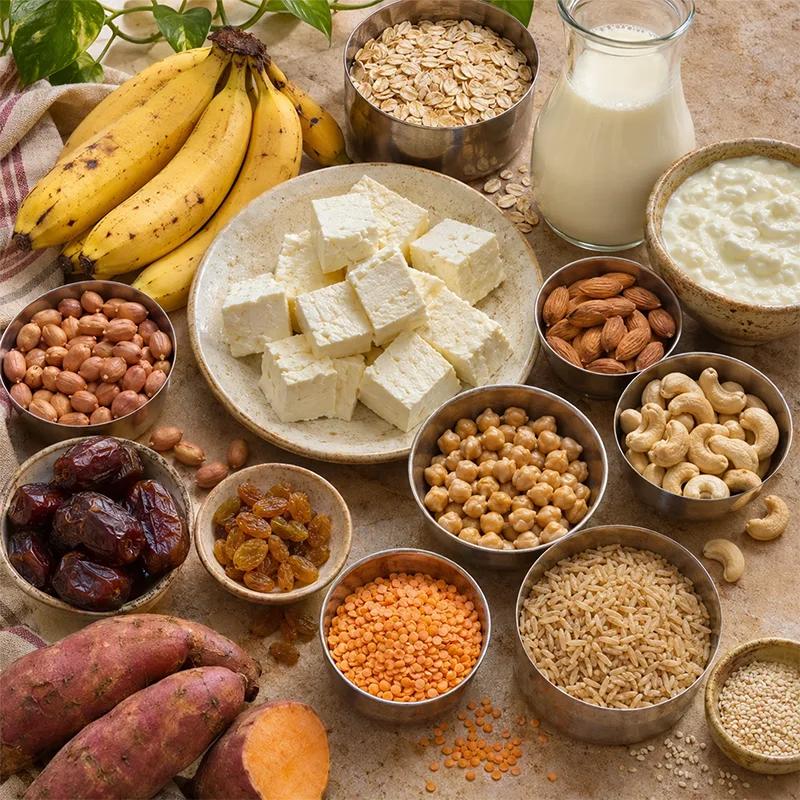
Choosing a variety of foods makes it easier to increase calorie intake without making meals repetitive. Here are some nutritious options to consider.
1. Bananas
Bananas provide carbohydrates, natural sugars and potassium. They are convenient for breakfast or between-meal snacks. Combine them with milk, oats or peanut butter to make a more calorie-rich smoothie.
If you enjoy including bananas in your daily diet, explore the nutritional benefits of bananas for weight gain.
2. Whole Milk and Full-Fat Dairy Products
Whole milk, curd and yoghurt provide protein, calcium and energy. They can be included in breakfast, smoothies or alongside regular meals. Full-fat dairy products are particularly useful when you need more calories in smaller portions.
3. Almonds and Walnuts
Almonds and walnuts contain healthy fats, plant protein and important micronutrients. A small handful makes a convenient snack. You can also add chopped nuts to porridge, yoghurt and homemade smoothies.
4. Peanut Butter
Peanut butter is an energy-dense food containing protein and healthy fats. Spread it on whole-wheat toast, combine it with bananas or blend it into milkshakes. Choose varieties with minimal added sugar and unnecessary ingredients.
5. Paneer
Paneer is a useful vegetarian protein source that also provides fat and calcium. Include it in paneer bhurji, stuffed parathas, sandwiches or vegetable preparations. It works well in everyday Indian meals.
6. Eggs
Eggs provide complete protein and several essential nutrients. Boiled eggs, omelettes and egg sandwiches are simple ways to increase protein intake. Pair them with whole-grain bread or potatoes for a more balanced meal.
7. Rice
Rice is an accessible carbohydrate source that supplies energy. Combine it with dal, rajma, chickpeas or paneer to create satisfying meals containing carbohydrates and protein.
8. Potatoes and Sweet Potatoes
Both provide carbohydrates, while sweet potatoes also contain beta-carotene. Boiled, roasted or mashed preparations can be added to lunch and dinner. Pair them with protein-rich foods for better meal balance.
9. Oats
Oats provide carbohydrates, fibre and some protein. Prepare them with whole milk, bananas, nuts and dates to increase their calorie content. They make a convenient breakfast or smoothie ingredient.
10. Dates and Dried Fruits
Dates, raisins, figs and dried apricots provide concentrated energy and useful micronutrients. Add them to breakfast bowls or enjoy them with nuts as an afternoon snack.
11. Avocados
Avocados contain monounsaturated fats, fibre and several vitamins. Their creamy texture makes them suitable for sandwiches, salads and smoothies. They are particularly useful when you want to add calories without increasing meal volume significantly.
12. Chicken
Chicken provides high-quality protein, which supports muscle development and tissue repair. Grilled chicken, homemade chicken sandwiches and chicken with rice are practical meal options.
13. Fatty Fish
Oily fish such as salmon and sardines provide protein and omega-3 fatty acids. Include fish in balanced meals with rice, potatoes or vegetables to support overall nutritional needs.
14. Dal and Legumes
Dal, chickpeas, kidney beans and other legumes provide plant protein, carbohydrates and fibre. They are affordable additions to an Indian weight gain diet. Combine them with rice or whole-wheat roti for satisfying meals.
15. Homemade Weight Gain Smoothies
Homemade smoothies make it easier to consume additional calories between meals. You can also experiment with different weight gain smoothie recipes using everyday ingredients.
Try combining:
- One banana
- One glass of whole milk
- Two tablespoons of peanut butter
- A few dates
- A small serving of oats
Blend until smooth. Adjust the ingredients according to your appetite and nutritional requirements.
Best Indian High-Calorie Foods for Weight Gain
You do not need an expensive diet to increase your calorie intake. Everyday Indian meals can provide plenty of nourishment when prepared with balanced ingredients.
Some useful combinations include:
- Paneer paratha with curd: Provides carbohydrates, protein and fats.
- Rice with dal and ghee: Combines energy-providing carbohydrates with plant protein.
- Banana and milk shake: Offers carbohydrates, protein and additional calories.
- Rajma chawal: Provides plant protein, fibre and carbohydrates.
- Peanut butter toast: Adds healthy fats and protein to a simple snack.
- Homemade dry fruit laddoos: Combine nuts, dates and other energy-rich ingredients.
These meals can fit into a regular eating routine without requiring major changes to familiar food preferences.
How to Create a Balanced Weight Gain Diet Plan
A good diet plan should provide enough calories and protein while maintaining nutritional variety. Start by understanding your current eating habits and gradually increase your food intake.
Follow these practical tips:
- Eat three balanced meals and add two or three nutritious snacks if needed.
- Include a protein source in every main meal.
- Add nuts, seeds, dairy or healthy oils to increase calorie intake.
- Choose whole grains, fruits and vegetables for fibre and micronutrients.
- Combine a nutritious diet with regular resistance training.
- Get sufficient sleep to support recovery.
A gradual calorie surplus of around 300–500 calories daily is a commonly used starting point for adults, although individual requirements vary. A dietitian can help determine an appropriate target.
For additional nutritional support, you can explore weight gain supplements alongside a balanced food routine.
7-Day Indian Diet Plan for Healthy Weight Gain
Here is a simple meal-planning example using familiar Indian foods. Adjust portions according to your appetite, activity level and nutritional needs.
Day | Breakfast | Lunch | Evening snack | Dinner |
|---|---|---|---|---|
Monday | Milk, oats and banana | Dal, rice and paneer | Nuts and dates | Roti, vegetables and curd |
Tuesday | Paneer paratha | Rajma chawal | Banana smoothie | Roti and chicken curry |
Wednesday | Eggs and whole-wheat toast | Dal, rice and vegetables | Peanut butter toast | Paneer and roti |
Thursday | Oats with milk and almonds | Chole and rice | Fruit and yoghurt | Vegetable pulao and curd |
Friday | Banana and milk smoothie | Chicken rice | Dry fruits | Dal, roti and paneer |
Saturday | Vegetable omelette and toast | Rajma, rice and curd | Dates and walnuts | Roti and mixed vegetables |
Sunday | Stuffed paratha and curd | Paneer pulao | Homemade smoothie | Dal, rice and vegetables |
Include mid-morning snacks such as fruit, yoghurt or nuts whenever needed. Vegetarian alternatives can replace meat and eggs.
How to Gain Weight Naturally If You Have a Low Appetite
Eating larger portions can feel uncomfortable when your appetite is naturally low. Instead of forcing yourself to eat too much at once, make small changes to your routine.
- Eat smaller meals more frequently.
- Choose calorie-dense foods in manageable portions.
- Drink nutritious smoothies between meals.
- Add nut butter, seeds or dairy to existing recipes.
- Maintain consistent meal timings.
- Avoid skipping meals because of a busy schedule.
Persistent appetite loss or digestive discomfort should be evaluated by a healthcare professional rather than managed through supplements alone.
The Role of Ayurvedic Nutrition and Supplementary Support in Weight Gain
Ayurveda places importance on digestion, nourishment and balanced daily routines. Its traditional approach considers appetite and digestive comfort important aspects of overall wellbeing.
Alongside a nutritious diet, some people explore Ayurvedic formulations as supplementary support.
Ayuvya offers products relevant to this goal:
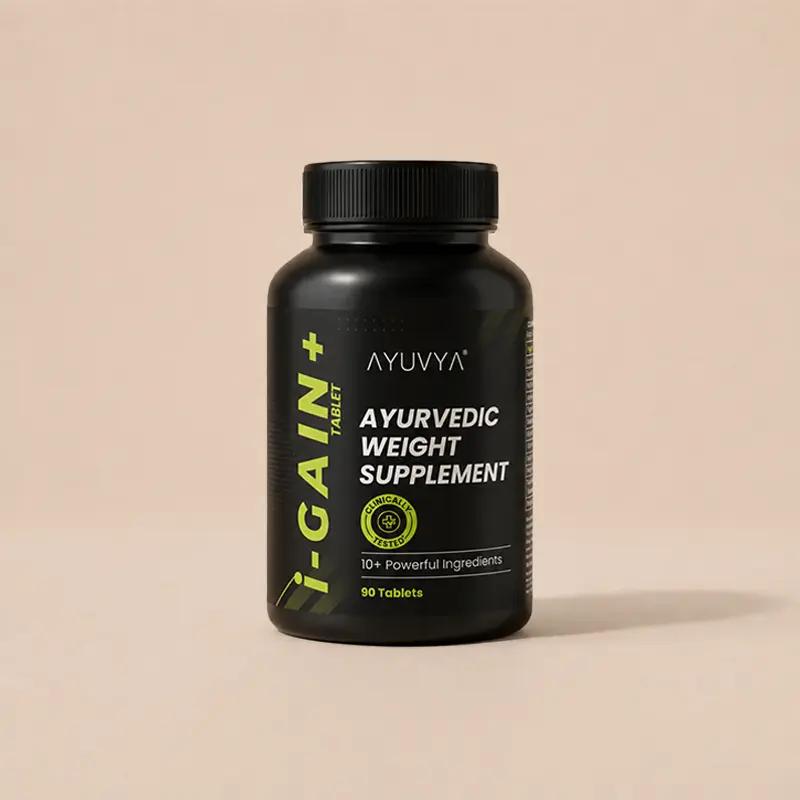
- Ayuvya i-Gain+: An Ayurvedic herbal formulation featuring ingredients such as Ashwagandha, Amla and Safed Musli. It is positioned to support appetite, digestion and healthy weight gain.
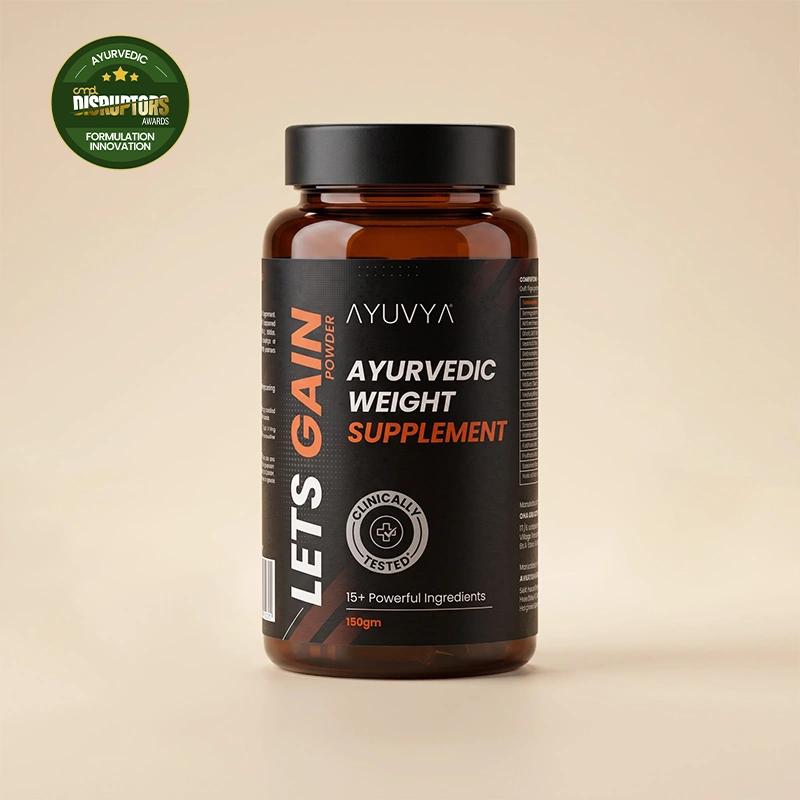
- Ayuvya Lets Gain: An Ayurvedic weight-management powder positioned for energy and nutritional support.
- Ayuvya i-Gain+ Weight Gain Powder: Provides a triple-protein blend, with whey, soy and milk proteins, for people looking to complement their daily nutritional intake.
These products are intended to complement regular meals, not replace them. Check the ingredient list, serving directions and suitability before use. People with existing health conditions, allergies, or those who are pregnant or breastfeeding should seek medical advice before starting a supplement.
Common Mistakes to Avoid When Trying to Gain Weight
Even with the right food choices, certain habits can make progress difficult.
- Relying on junk food: Extra calories should come from nutritious sources rather than mostly sugary and highly processed foods.
- Skipping meals: Inconsistent eating can make it harder to meet daily calorie requirements.
- Ignoring protein: Adequate protein is important for muscle development.
- Eating too much at once: Smaller, regular meals may be easier to manage.
- Avoiding exercise: Strength training helps support muscle development.
- Expecting overnight results: Healthy changes take time and consistency.
When Should You Consult a Doctor About Low Body Weight?
Being underweight is not always a result of eating too little. Sometimes, an underlying health issue can affect appetite, digestion or nutrient absorption.
Consider professional advice if you experience:
- Unexplained or sudden weight loss.
- Persistent diarrhoea or digestive discomfort.
- Ongoing loss of appetite.
- Unusual tiredness or weakness.
- Difficulty gaining weight despite adequate food intake.
A healthcare professional can assess your nutritional needs and investigate possible underlying causes.
Make Your Healthy Weight Gain Journey More Nourishing with Ayuvya
Choosing the right weight gain foods, maintaining regular meals and following a balanced lifestyle are important steps towards healthier weight gain. However, consistency and the right nutritional support also matter.
Ayuvya brings together traditional Ayurvedic knowledge and modern wellness approaches through formulations designed to complement everyday health routines.
Whether you are exploring appetite support with i-Gain+, nutritional support with Lets Gain or additional protein through i-Gain+ Weight Gain Powder, Ayuvya offers options to complement a balanced diet.
Take a thoughtful step towards your wellness goals. Explore Ayuvya's weight management range and find nutritional support that fits into your daily routine.
Disclaimer: This article is intended for general educational purposes and is not a substitute for personalised medical or nutritional advice. Consult a qualified healthcare professional before making significant dietary changes or starting supplements.