The causes of piles in male are often linked to everyday habits, particularly poor digestion, constipation, prolonged sitting and physical strain. Although piles can affect men of all ages, unhealthy routines may increase the risk. Understanding these triggers is the first step towards better bowel health and exploring appropriate care options, including Ayuvya's Ayurvedic Piles Care range.
What Are Piles in Men?
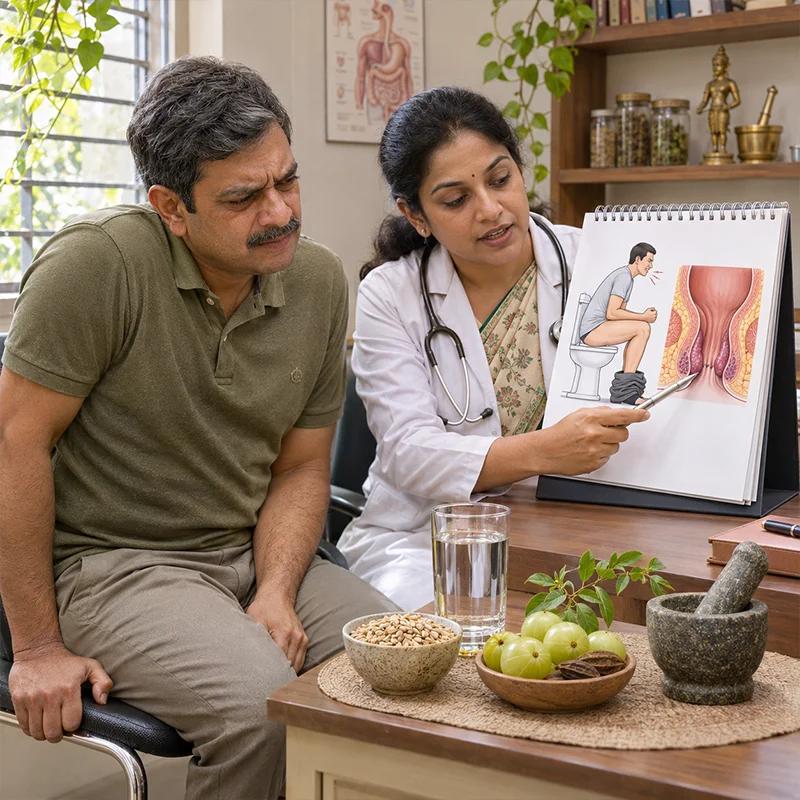
Piles, medically known as haemorrhoids, are swollen vascular cushions inside the anal canal or around the anus. These tissues are naturally present and help control bowel movements, but increased pressure can cause them to become enlarged and symptomatic.
Men can develop two main types of piles:
- Internal piles: Develop inside the rectum and often cause painless bleeding during bowel movements. Some may protrude through the anus as they become more advanced.
- External piles: Develop under the skin around the anus and can cause itching, swelling, irritation and pain. A blood clot within an external pile can cause sudden, significant discomfort.
Recognising the difference helps men understand their symptoms and seek appropriate medical advice. You can also learn more about what causes piles and the factors that contribute to their development.
What Are the Main Causes of Piles in Male?
Several lifestyle habits and health conditions contribute to the causes of piles in male. Understanding these factors can help identify habits that may need attention. Knowing the reasons of piles can also help individuals recognise potential risk factors.
1. Chronic Constipation and Straining
Constipation is one of the most common contributors to piles. Passing hard stools often requires excessive straining, which increases pressure around the anal canal.
Repeated straining can contribute to swelling and aggravate existing haemorrhoids. Ignoring the urge to pass stools and having irregular bowel movements can also make constipation worse.
Eating fibre-rich foods, drinking enough water and maintaining regular bowel habits can help.
2. Sitting for Long Hours
Men who work at desks, drive for extended periods or follow sedentary routines may experience bowel irregularity.
Prolonged sitting, particularly on the toilet, can increase pressure around the anal region. Taking regular movement breaks and maintaining an active lifestyle can support healthier bowel habits.
3. Heavy Weightlifting and Physical Strain
Intense gym sessions and heavy lifting can increase abdominal pressure, particularly when someone holds their breath or strains while lifting weights.
Using proper lifting techniques, breathing correctly and avoiding excessive strain can help reduce unnecessary pressure during physical activity.
4. Low-Fibre Diet and Unhealthy Eating Habits
A diet lacking fibre can lead to hard stools and constipation. Frequent consumption of highly processed foods without enough fruits, vegetables and whole grains may affect digestive regularity.
If you are experiencing symptoms, understanding which foods to avoid in piles can help you make more informed dietary choices.
Include foods such as:
- Papaya, apples, pears and guava.
- Spinach, carrots and other vegetables.
- Oats and whole grains.
- Lentils, beans and chickpeas.
Gradually increasing fibre intake can help maintain softer stools and easier bowel movements.
5. Dehydration and Insufficient Water Intake
Water supports normal digestion and helps prevent stools from becoming excessively hard. Inadequate fluid intake can contribute to constipation, especially when combined with a low-fibre diet.
Drink water regularly throughout the day and increase fluid intake when exercising or spending time in hot weather, unless a healthcare professional has advised fluid restrictions.
6. Obesity and Excess Body Weight
Excess body weight can increase pressure within the abdominal region and is associated with a higher likelihood of developing haemorrhoids.
Maintaining a healthy weight through balanced nutrition and regular physical activity can support overall digestive health.
7. Ageing and Family History
The supporting tissues around the rectum can become weaker with age, making haemorrhoids more likely.
Family history may also influence susceptibility because inherited differences in connective tissue can affect the strength of supporting structures.
What Are the Early Signs and Symptoms of Piles in Men?
Recognising piles symptoms in males early can help prevent unnecessary discomfort and encourage timely medical evaluation.
Common symptoms include:
- Rectal bleeding: Bright red blood on toilet paper or in the toilet bowl after passing stools.
- Itching: Persistent irritation around the anal opening.
- Pain and discomfort: Particularly when sitting or passing stools.
- Swelling: A noticeable lump around the anus.
- Mucus discharge: Moisture or discharge around the anal region.
- Incomplete evacuation: A sensation that the bowel has not emptied completely.
Internal piles may cause bleeding without pain, whereas external piles can cause noticeable tenderness.
Rectal bleeding should never automatically be assumed to be piles. A healthcare professional should evaluate unexplained or persistent bleeding.
What Are the Four Stages of Piles?
Internal haemorrhoids are classified into four grades according to their degree of prolapse.
- Grade 1: Remain inside the anal canal and may cause bleeding.
- Grade 2: Prolapse during bowel movements but return inside naturally.
- Grade 3: Prolapse and require manual repositioning.
- Grade 4: Remain prolapsed and cannot be pushed back inside.
These grades help healthcare professionals determine suitable treatment. External piles are not classified using this grading system.
How Can Men Prevent Piles Naturally?
Healthy daily habits can reduce constipation and help prevent factors that contribute to piles. Following practical ways to prevent piles in the early stages can also support better bowel habits.
Consider these practical changes:
- Eat more fibre: Include fruits, vegetables, legumes and whole grains in everyday meals.
- Stay hydrated: Drink adequate water throughout the day.
- Exercise regularly: Walking, cycling and other moderate activities support digestive health.
- Avoid straining: Do not force bowel movements.
- Follow regular bowel habits: Respond to the urge to pass stools instead of delaying it.
- Limit toilet time: Avoid prolonged sitting on the toilet, particularly while using a mobile phone.
- Maintain a healthy weight: Combine balanced meals with consistent physical activity.
Small, consistent changes can make bowel habits easier to manage.
What Are the Treatment Options for Piles in Men?
Treatment depends on the type, grade and severity of haemorrhoids. Mild symptoms may improve with conservative measures, while persistent or advanced cases may require medical procedures.
Common treatment options include:
- Dietary changes: Increasing fibre and fluid intake to reduce constipation.
- Warm sitz baths: Sitting in comfortably warm water can temporarily relieve irritation and discomfort.
- Medications: Healthcare professionals may recommend suitable topical preparations or stool softeners. The best medicine for piles depends on the symptoms, severity and individual medical history.
- Rubber band ligation: A procedure that restricts blood supply to selected internal haemorrhoids.
- Sclerotherapy: An injection-based procedure used to shrink internal haemorrhoids.
- Surgical treatment: Procedures such as haemorrhoidectomy may be considered for severe or persistent cases.
Seek medical advice if symptoms continue, worsen or interfere with everyday activities.
How Does Ayurveda Approach Piles Care?
Ayurveda traditionally considers digestive health, bowel regularity and daily habits important aspects of overall well-being. Its approach includes dietary adjustments, lifestyle practices and formulations containing herbs used in traditional Ayurvedic preparations.
For men exploring Ayurvedic piles care, it is important to understand the formulation, ingredients, intended use and precautions before choosing a product.
Ayurvedic products should not replace medical diagnosis or necessary treatment, particularly when bleeding or severe pain is present.
Ayurvedic Piles Care Products from Ayuvya
Ayuvya offers a dedicated Piles Care range featuring formulations designed around traditional Ayurvedic ingredients.
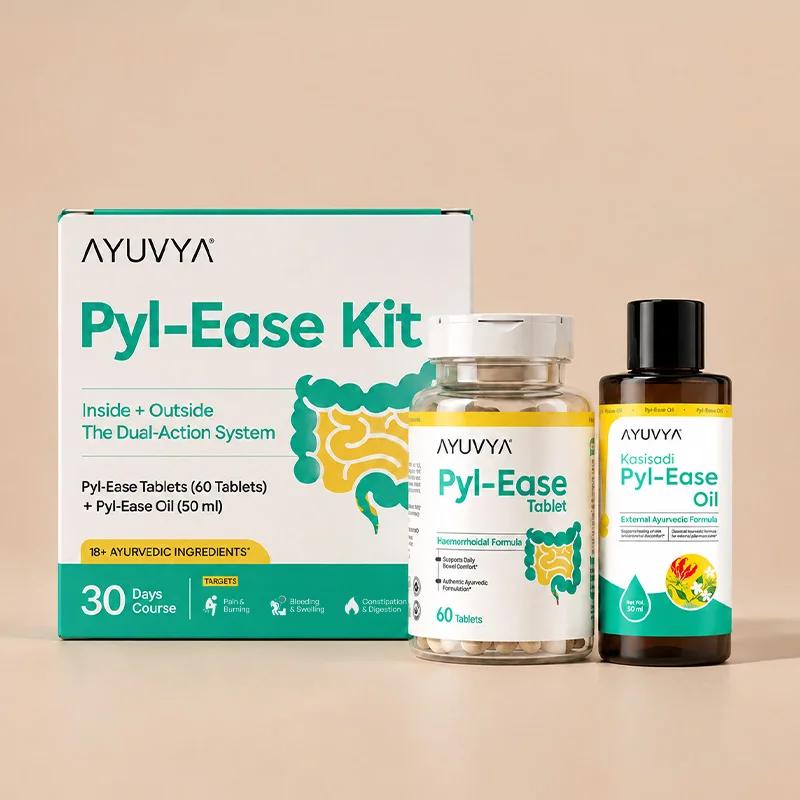
1. Ayuvya Pyl-Ease Kit
The kit combines Pyl-Ease Oil and Pyl-Ease Tablets. Ayuvya positions this combination for Grade 1 and Grade 2 piles. Check the product information for its ingredients, directions and suitability.
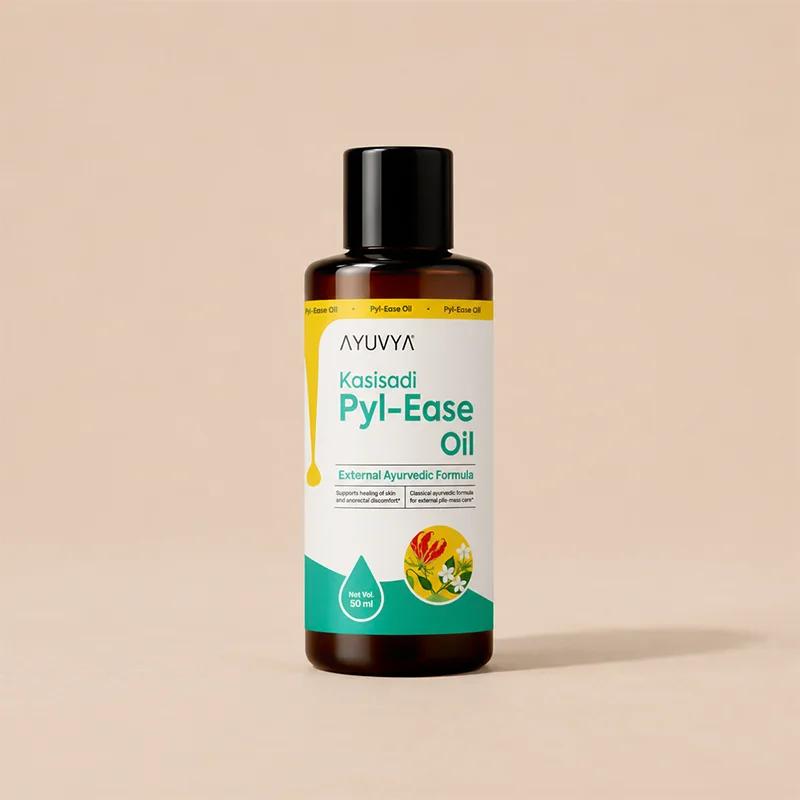
2. Ayuvya Kasisadi Pyl-Ease Oil
This formulation is based on the traditional Kasisadi preparation and is intended for external application. Follow the product's application instructions and precautions.
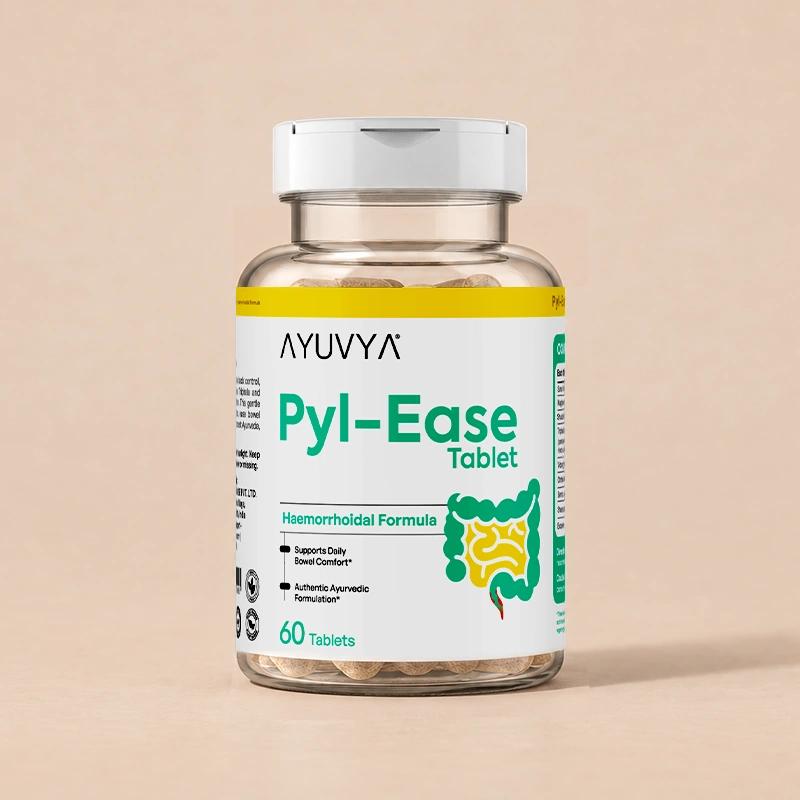
3. Ayuvya Pyl-Ease Tablets
These oral Ayurvedic tablets contain a combination of traditional ingredients, including Nagkesar, Triphala, Suran and Chitrak. Review the product label and consult a qualified healthcare professional before use.
When Should Men Consult a Doctor for Piles?
Medical evaluation is important when symptoms persist or become more severe. Consult a healthcare professional if you experience:
- Repeated or unexplained rectal bleeding.
- Severe pain around the anus.
- A painful lump or significant swelling.
- Changes in bowel habits.
- Symptoms that do not improve with basic self-care.
Heavy bleeding, dizziness or fainting requires urgent medical attention. Early evaluation also helps rule out other conditions that can cause similar symptoms.
Take a More Informed Approach to Piles Care with Ayuvya
Understanding the causes of piles in male is an important step towards better digestive health. A fibre-rich diet, adequate hydration, regular movement and healthy bowel habits can help reduce common risk factors.
If you are exploring traditional Ayurvedic formulations as part of your wellness routine, discover Ayuvya's Pyl-Ease range, featuring Pyl-Ease Oil and Pyl-Ease Tablets.
Explore the Ayuvya Piles Care Collection and learn more about its formulations, ingredients and usage instructions.
Disclaimer: This article is for educational purposes only and does not replace professional medical advice. Ayuvya products are not intended to diagnose, treat, cure or prevent any disease. Consult a qualified healthcare professional before using any supplement or Ayurvedic formulation.