

Piles can make everyday activities, especially bowel movements, uncomfortable. Knowing what food to avoid in piles can help you make more informed dietary choices. A balanced diet, sufficient water, and healthy bathroom habits can support bowel regularity. At Ayuvya, we believe better routines begin with understanding your body and choosing care thoughtfully. You can explore Ayuvya's Ayurvedic healthcare products to learn more about complementary wellness options.
How Does Diet Affect Piles?
Piles, also called hemorrhoids, are swollen blood vessels in and around the anus and lower rectum. Constipation, hard stools, and repeated straining can worsen symptoms such as discomfort, itching, and bleeding.
Diet matters because it influences stool consistency and bowel movements. When your meals lack fiber and you do not drink enough fluids, passing stools may become difficult. This can encourage straining and put additional pressure on the affected area.
If you are experiencing symptoms and want to understand their possible causes, read Ayuvya's guide on what causes piles. Understanding the contributing factors can help you make informed decisions about dietary habits and when to seek medical advice.
A few practical changes can support better bowel habits:
- Include fruits, vegetables, legumes, and whole grains in your daily meals.
- Drink adequate water throughout the day, unless your doctor has advised fluid restrictions.
- Increase fiber gradually to minimise gas and bloating.
- Avoid delaying bowel movements or sitting on the toilet for unnecessarily long periods.
Dietary changes can help manage constipation, but they do not replace medical evaluation when symptoms persist. For additional guidance, you can also read about how to manage and treat piles,including the importance of appropriate medical care.
What Food to Avoid in Piles? 7 Foods to Limit
There is no single list of foods that everyone with piles must eliminate. Some choices may contribute to constipation, while others can aggravate irritation in certain individuals. Understanding your own tolerance is more useful than following unnecessarily strict food restrictions.
1. Low-Fiber Processed Foods
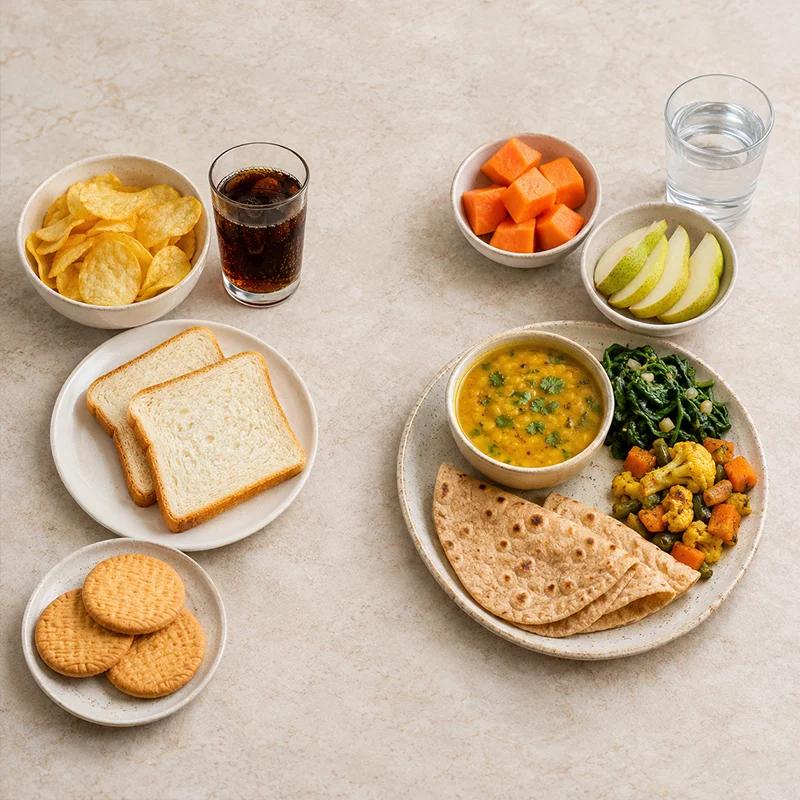
Packaged snacks, instant convenience meals, and heavily processed foods often contain less fiber than whole-food alternatives. A diet dominated by these products can make it harder to meet daily fiber needs.
What to choose instead: Add fruit, cooked vegetables, beans, or whole-grain foods to your meals. You do not need to eliminate every packaged food; focus on improving the overall balance of your diet.
2. Refined Grains and Bakery Products
White bread, refined-flour biscuits, pastries, and similar foods generally contain less fiber than whole-grain alternatives. Eating them frequently without enough fiber-rich foods may contribute to constipation.
Try including whole-wheat roti, oats, whole-grain bread, or other fiber-containing grains. For example, pairing roti with dal and vegetables creates a more balanced meal than relying on refined-flour snacks alone.
3. Fried and High-Fat Foods
Regularly eating large amounts of fried snacks, greasy fast food, and rich takeaway meals may leave less room for nutritious, fiber-rich choices. Some people also find that heavy meals affect their digestion.
Choose baked, steamed, or lightly cooked options more often. Include vegetables and legumes alongside your usual meals, and notice whether particular foods affect your bowel habits.
Fat itself is not inherently harmful, and healthy fats can be part of a balanced diet. The aim is to avoid a dietary pattern dominated by fried, low-fiber foods.
4. Very Spicy Foods
Chilli-heavy curries, spicy pickles, and heavily seasoned snacks may trigger burning or irritation during bowel movements in some people. However, spicy foods do not directly cause every case of piles.
If you notice a clear connection between a particular dish and your symptoms, reduce its spice level or choose a milder alternative temporarily. There is no need to avoid all spices if they do not bother you.
5. Processed Meat and Meals Dominated by Red Meat
Meat contains protein but generally provides little or no dietary fiber. When meat-heavy meals replace vegetables, fruits, legumes, and whole grains, your overall fiber intake may fall.
Balance your plate with dal, beans, vegetables, and whole grains. If you eat meat, pair it with fiber-rich sides rather than treating it as the main component of every meal.
6. Alcohol and Excessive Caffeinated Drinks
Alcohol can contribute to dehydration, while caffeine may affect bowel habits differently from one person to another. Neither needs to be treated as a universal cause of piles, but excessive consumption can be unhelpful for some people.
Drink water regularly and observe whether tea, coffee, or alcohol affects your symptoms. If caffeine makes you uncomfortable or disrupts your bowel routine, consider reducing your intake.
7. Foods That Trigger Your Personal Symptoms
Some people notice digestive discomfort after consuming particular dairy products, rich meals, or foods that cause bloating. These responses vary and do not mean that everyone with piles should avoid the same ingredients.
Keep a simple food and symptom diary if you suspect a trigger. Record what you ate, your bowel habits, and any discomfort. Avoid eliminating entire food groups without a clear reason, particularly if doing so could reduce your nutritional intake.
What Foods Should You Eat Instead?
Once you understand what food to avoid in piles, the next step is to build meals that support regular bowel movements. Fiber helps increase stool bulk and retain water, making stools easier to pass. Increase your intake gradually and drink enough fluids to support this change.
Choose Fiber-Rich Fruits and Vegetables
Pears, apples, guava, leafy greens, carrots, and other vegetables can contribute to your daily fiber intake. Eat a variety of produce according to your preferences and tolerance.
Include Whole Grains and Legumes
Oats, whole-wheat roti, lentils, chickpeas, and beans provide useful dietary fiber. Add them to meals consistently rather than relying on one high-fiber food occasionally.
Stay Hydrated
Water supports normal bowel function and is particularly important when increasing fiber. Individual fluid requirements vary, so follow medical advice if you have a condition requiring fluid restriction.
Follow a Practical Indian Eating Pattern
You do not need an expensive or complicated diet plan. Consider these everyday options:
- Breakfast: Oats with fruit or another fiber-containing breakfast.
- Lunch: Whole-wheat roti with dal and cooked vegetables.
- Snack: A piece of fruit that suits your digestion.
- Dinner: Rice or whole-wheat roti with legumes and vegetables.
Adjust portions to your appetite, nutritional needs, and medical advice. Consistency matters more than following a rigid menu.
For everyday ingredients and pantry staples that can help you prepare balanced meals, explore Ayuvya's Daily Ayurveda Supplements. Choose foods based on their nutritional value and your individual dietary needs rather than assuming that every Ayurvedic or traditional food product will improve piles symptoms.
Daily Habits That Support Piles Management
Food is only one part of a healthy bowel routine. A few simple habits can make bowel movements more comfortable:
- Increase dietary fiber gradually instead of making sudden, large changes.
- Stay physically active with suitable activities such as walking.
- Respond to the urge to pass stool rather than repeatedly delaying it.
- Avoid excessive straining and prolonged sitting on the toilet.
- Seek medical advice if constipation continues despite dietary changes.
These steps may help improve bowel regularity, but persistent symptoms can require additional treatment.
How Can Ayuvya Support Your Piles-Care Routine?
Healthy eating and appropriate medical guidance remain the foundation of responsible piles care. If you are exploring complementary Ayurvedic options, Ayuvya offers products in its dedicated Piles Care collection.
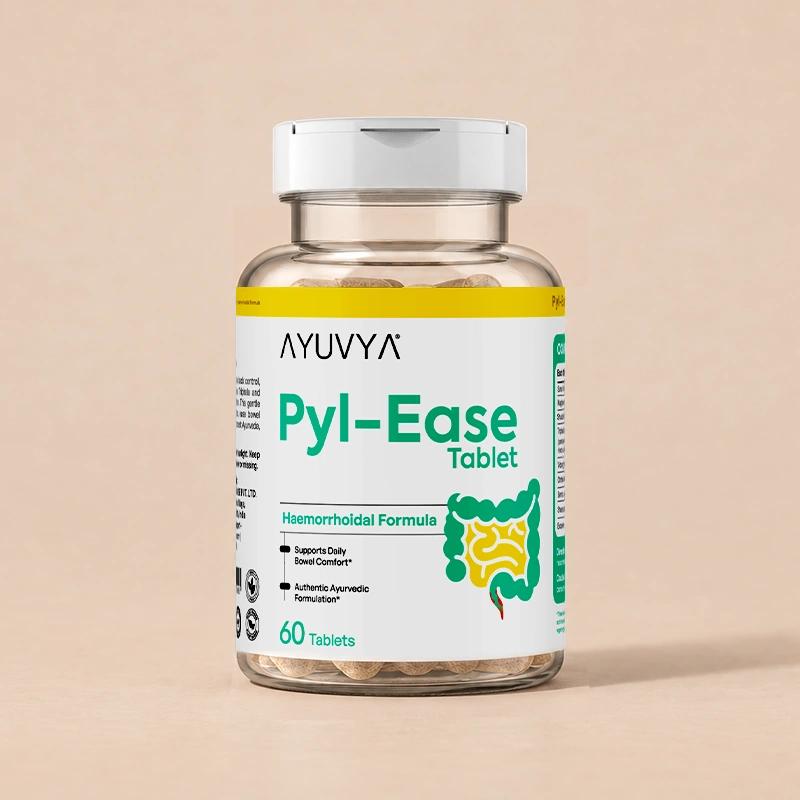
The Ayuvya Pyl-Ease Kit combines Pyl-Ease Tablets and Jatyadi Oil. The products have different intended uses, so read their labels and directions carefully rather than treating them as substitutes for dietary changes or medical treatment.
You can also explore the individual products to understand their ingredients, intended use, and precautions before deciding whether they are suitable for you.
Ayuvya features Dr. Deepankar Rahul, BAMS, MD (Ayurveda), an Ayurveda physician and NPD and R&D manager, in its health-content author profiles. Medical content should be reviewed by an appropriately qualified professional, and product suitability should be assessed individually.
When Should You Consult a Doctor?
Do not assume that every instance of rectal bleeding is caused by piles. Consult a healthcare professional if you experience new or recurring bleeding, persistent discomfort, worsening symptoms, or constipation that does not improve. Heavy bleeding, faintness, or severe symptoms require urgent medical assessment.
A clinician can confirm the cause of your symptoms and recommend suitable treatment. Dietary adjustments can support bowel health, but they should not delay necessary medical care.
Build a More Consistent Piles-Care Routine With Ayuvya
Small, sustainable changes to your diet can make it easier to maintain regular bowel habits. Prioritise fiber-rich meals, drink adequate fluids, and pay attention to foods that personally aggravate your symptoms.
When you are ready to explore complementary care options, visit Ayuvya's Piles Care collection to learn about the Pyl-Ease Kit and its individual products. Review the ingredients and directions carefully, and choose with professional guidance rather than relying on products alone.
Disclaimer: This article is for general educational purposes and is not a substitute for medical advice, diagnosis, or treatment. Consult your doctor before using any Ayuvya product, particularly if you are pregnant or breastfeeding, have an existing medical condition, take medication, or have known allergies. Seek medical attention for rectal bleeding or persistent symptoms.