Piles can make everyday activities uncomfortable, particularly when constipation, itching, or pain begins to interfere with your routine. Understanding how to prevent piles in early stage can help you make practical changes before symptoms become more troublesome. Ayuvya's Piles Care range offers options for those exploring Ayurvedic wellness products, but prevention begins with healthy habits and appropriate medical guidance. You can also explore Ayuvya's Ayurvedic healthcare products for more information about the brand's wellness offerings.
What Are Piles and Why Do They Develop?
Piles, also called haemorrhoids, are swollen blood vessels and supporting tissues in or around the anus and lower rectum. They can develop when pressure in this area increases, particularly during repeated straining to pass hard stools.
Common factors associated with piles include:
- Constipation and hard stools
- A diet low in dietary fiber
- Repeated straining during bowel movements
- Sitting on the toilet for prolonged periods
- Physical inactivity
- Pregnancy and increased pressure in the pelvic region
Recognising these contributing factors can help you identify which everyday habits need attention. If you want to understand the underlying causes in greater detail, read Ayuvya's guide onwhat causes piles.
What Are the Early Signs of Piles?
Early symptoms may include itching, irritation, discomfort during bowel movements, swelling around the anus, or bright-red blood after passing stool. Internal piles may bleed without causing significant pain, while external piles can cause discomfort or a noticeable lump.
However, these symptoms are not exclusive to haemorrhoids. Rectal bleeding, particularly when persistent or recurrent, should be evaluated by a healthcare professional rather than automatically attributed to piles.
How to Prevent Piles in Early Stage: 10 Practical Tips
Making small, consistent changes to your daily routine can help support regular bowel movements and reduce common contributors to piles. Here are ten practical measures to consider.
1. Increase Your Fiber Intake
Fiber helps soften stools and supports regular bowel movements, reducing the need to strain. Include a variety of fiber-rich foods in your meals, such as:
- Oats and whole-grain cereals
- Apples, pears, and other fruits
- Green leafy vegetables
- Beans, lentils, and chickpeas
- Whole-wheat roti and other whole grains
Increase fiber gradually to minimise gas and bloating. Pair a fiber-rich diet with adequate fluids to support normal bowel function. Including wholesome ingredients in your everyday meals is easier when you have access to daily Ayurveda Supplements that complement a balanced eating routine.
2. Drink Enough Water
Adequate hydration supports digestion and helps your body maintain normal stool consistency. Drink fluids regularly throughout the day, adjusting your intake to your activity level, climate, and individual needs.
People with medical conditions that require fluid restriction should follow their healthcare professional's advice. Drinking water alone cannot guarantee piles prevention, but it can complement a fiber-rich diet.
3. Avoid Straining During Bowel Movements
Repeated straining increases pressure around the anal region and can aggravate existing haemorrhoids. Give yourself enough time to pass stool naturally without forcing it.
If constipation persists despite dietary and lifestyle changes, seek medical advice about appropriate treatment rather than repeatedly straining.
4. Respond to the Urge to Pass Stool
Ignoring the urge to use the toilet may contribute to constipation in some people. Try to establish a comfortable bathroom routine and respond when you feel the need to pass stool.
A regular routine, balanced meals, and sufficient fiber can help support more predictable bowel movements.
5. Avoid Prolonged Toilet Sitting
Spending unnecessary time on the toilet can increase pressure in the anal area. Keep bathroom visits focused and avoid scrolling through your phone while sitting on the toilet.
If you regularly struggle to pass stool, address the underlying constipation instead of extending your time in the bathroom.
6. Stay Physically Active
Regular movement supports bowel regularity and helps reduce sedentary time. Walking, swimming, cycling, and other suitable low-impact activities can fit into a daily routine.
Start at a comfortable level and increase activity gradually. If a particular exercise causes pain or discomfort, modify it and seek professional advice when necessary.
7. Take Breaks From Prolonged Sitting
Long periods of desk work or sitting in one position can make it harder to maintain an active routine. Stand up, stretch, or walk briefly at regular intervals throughout the day.
These breaks are simple to incorporate into a working day and can help you maintain consistent movement without requiring a complicated exercise plan.
8. Choose a Balanced, Fiber-Rich Diet
A balanced diet supports digestive health and helps prevent constipation. Alongside fiber-rich foods, include appropriate sources of protein and healthy fats.
There is no single food that guarantees piles prevention. Notice whether particular foods aggravate your personal symptoms, and avoid unnecessary dietary restrictions. If digestive problems continue, consult a qualified healthcare professional.
9. Maintain Gentle Anal Hygiene
Clean the anal area gently after bowel movements. Avoid vigorous rubbing, harsh soaps, and fragranced products that may irritate sensitive skin.
Pat the area dry rather than rubbing it repeatedly. These measures may help reduce irritation, although hygiene alone does not prevent every case of haemorrhoids.
10. Address Constipation and Symptoms Early
Persistent constipation deserves attention, especially when accompanied by discomfort, swelling, or bleeding. A healthcare professional can help identify the cause and recommend suitable treatment.
Understanding how to prevent piles in early stage also means recognising when lifestyle changes are not enough. If symptoms continue, learn more about how to manage and treat piles and discuss appropriate treatment options with a qualified healthcare professional. Do not rely solely on home remedies if symptoms continue or worsen.
Which Home-Care Measures May Help With Piles Symptoms?
Lifestyle changes primarily address contributing factors, while certain home-care measures may offer temporary relief from discomfort.
Can a Warm Sitz Bath Help?
Sitting in comfortably warm water for around 10–15 minutes may soothe irritation and discomfort. Avoid water that is too hot, and gently pat the area dry afterwards.
A sitz bath can provide comfort, but it does not necessarily eliminate haemorrhoids or address every cause of rectal pain.
Should You Consider Over-the-Counter Products?
Some non-prescription creams or ointments may temporarily ease itching and discomfort. Follow the product instructions and ask a pharmacist or healthcare professional if you are unsure what is appropriate. Avoid prolonged use of medicated products without medical guidance.
Can Ayurvedic Products Be Part of Your Piles-Care Routine?
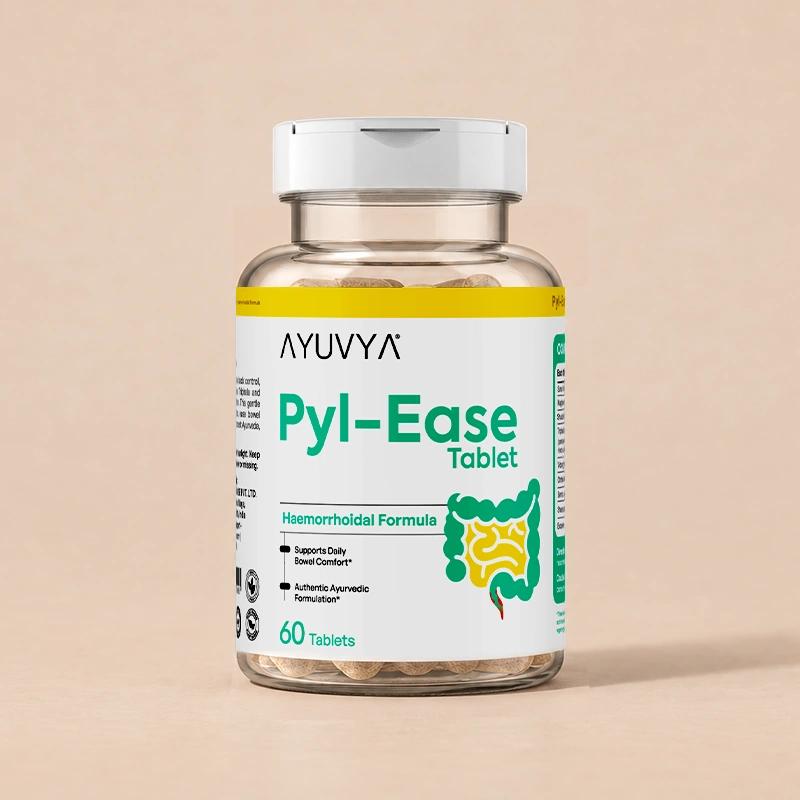
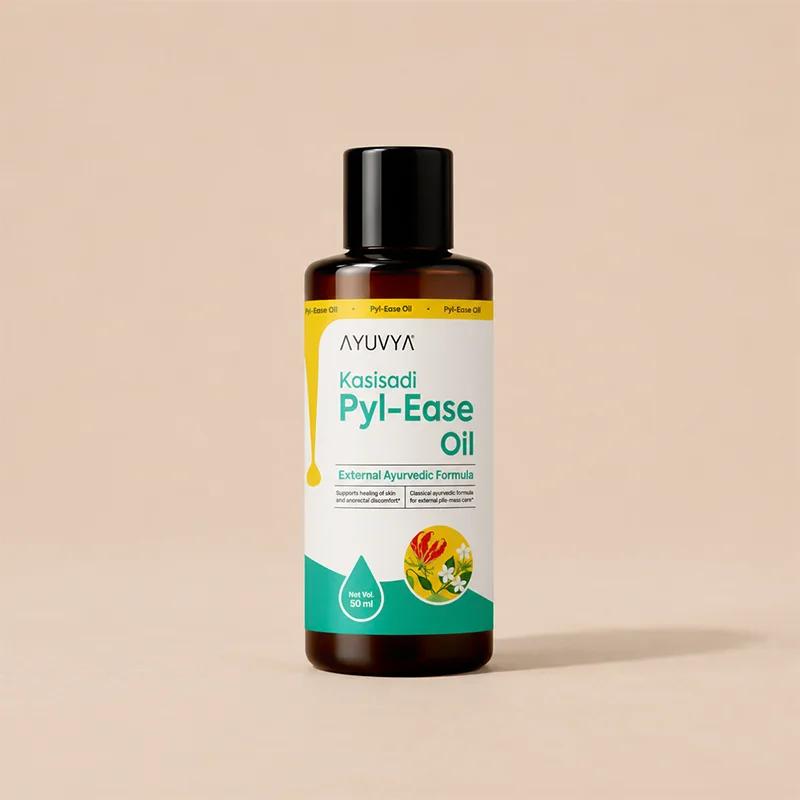
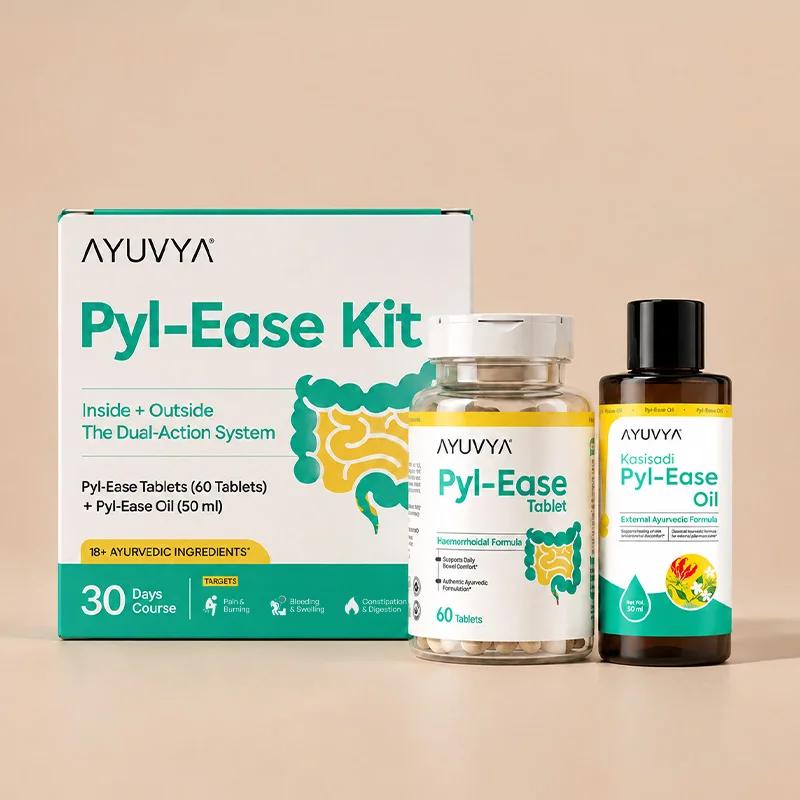
People exploring Ayurvedic wellness options may wish to review products designed for piles care alongside appropriate lifestyle measures. Ayuvya offers the Pyl-Ease Kit, which includes Pyl-Ease Tablets and Jatyadi Oil, as well as Pyl-Ease Oil for topical use.
Review each product's ingredients, directions, and precautions before use. These products should not replace a medical assessment or be presented as guaranteed prevention or a cure for piles.
Explore theAyuvya Piles Care collection to learn more about the available options.
When Should You See a Doctor for Piles?
Seek medical advice if symptoms persist, recur, or interfere with daily activities. Rectal bleeding should not automatically be assumed to result from haemorrhoids.
Arrange an assessment if you experience:
- Repeated or persistent rectal bleeding
- Increasing pain, swelling, or a new lump
- Symptoms that do not improve with self-care
- Changes in bowel habits or unexplained discomfort
Heavy bleeding, dizziness, fainting, or severe pain warrants urgent medical assessment. Early evaluation can help identify the cause and determine the right treatment.
Ayuvya's health content includes contributions from Dr. Deepankar Rahul (BAMS, MD Ayurveda) and Dr. Deepali Koli (BAMS, CCAT, DNHE). Their professional backgrounds support the brand's Ayurvedic health content, but readers should consult a qualified clinician for individual diagnosis and treatment.
Build Better Piles-Care Habits With Ayuvya
Knowing how to prevent piles in early stage is about more than following a few home remedies. A fiber-rich diet, adequate hydration, regular movement, and comfortable bowel habits can help reduce common contributing factors. Paying attention to persistent symptoms is equally important.
If you are exploring Ayurvedic wellness options as part of your personal care routine, discover Ayuvya's Piles Care range, including the Pyl-Ease Kit and Pyl-Ease Oil. Men looking to explore other aspects of their wellness routine can also browse daily supplements for men's health. Review product information carefully and choose with appropriate professional guidance.
Explore the Ayuvya Piles Care collection to learn more about the available products and take an informed step towards your wellness routine.
Disclaimer: This article is for educational purposes only and is not a substitute for professional medical advice. Consult your doctor before using any product, especially if you are pregnant or breastfeeding, have an existing medical condition, take medication, or have allergies. Ayuvya products are not intended to diagnose, treat, cure, or prevent any disease.