Table of Contents:
- Is Stress and Anxiety Similar?
- What Causes Anxiety and Stress?
- Symptoms of Anxiety
- What Ayurveda Says About Anxiety?
- Vata and Anxiety
- Ayurvedic Approach to Managing Anxiety
- Conclusion
- FAQs
Is Stress and Anxiety Similar?
Stress and anxiety are related but not the same. Stress usually comes from specific pressures or problems and goes away once they are solved. Anxiety, on the other hand, can continue even without a clear reason and might make you feel worried or scared about things that are not actually threatening. People often use ayurvedic medicine for anxiety to help calm their minds and reduce these feelings.
What Causes Anxiety and Stress?
Anxiety and stress can happen from various factors, each influencing your mental state in different ways. Here is how the factors play a role in causing anxiety and stress:
Hormone Levels
Hormonal imbalances can significantly impact mood and stress levels. For example, fluctuations in hormones such as cortisol (the stress hormone) and adrenaline can trigger the stress response, leading to feelings of anxiety and stress.
Medical Conditions
Certain medical conditions can predispose individuals to experience increased stress and anxiety. For example, conditions like thyroid disorders, heart disease, diabetes, or chronic respiratory disorders directly impact normal functioning and can trigger stress responses.
Poor Sleep
Sleep and stress have a bidirectional relationship. Lack of adequate sleep disturbs the normal functioning of neurotransmitters that regulate mood, exacerbating feelings of anxiety and making individuals less capable of handling stress.
Genetics
Genetics can play a crucial role in predisposition to anxiety and stress. If there is a family history of anxiety disorders or related mental health conditions, there might be a higher likelihood of experiencing similar issues.
Trauma
Past traumatic experiences, such as physical or emotional abuse, severe accidents, or major life disturbances, can lead to long-term stress and anxiety. Post-traumatic stress disorder (PTSD) is a direct manifestation of severe anxiety following exposure to traumatic stress.
Symptoms of Anxiety
Excessive Worrying: Frequent, pervasive worry about a variety of things, often disproportionate to the actual situation.
Restlessness: A feeling of being unable to relax, often described as feeling "on edge" or having an "uncomfortable urge to move."
Fatigue: Feeling unusually tired, which can occur even after proper rest, due to the intense mental energy expended on worrying.
Difficulty Concentrating: Trouble focusing on tasks at hand, often because the mind is clouded by worries or fears.
Irritability: Increased irritability and impatience, particularly common in children and teens with anxiety.
Sleep Disturbances: Problems with falling asleep, staying asleep, or experiencing unsatisfying sleep, often due to racing thoughts or worries.
Muscle Tension: Persistent tension in muscles, especially in areas like the neck, shoulders, and back.
Panic Attacks: Sudden, intense episodes of fear or panic, characterised by symptoms like rapid heartbeat, sweating, shaking, and feelings of doom.
Avoidance of Anxiety Triggers: Deliberately avoiding places, events, or situations that are thought to induce anxiety.
Physical Symptoms: Physical symptoms such as headaches, digestive issues, and dizziness can also occur as manifestations of anxiety.
What Ayurveda Says About Anxiety?
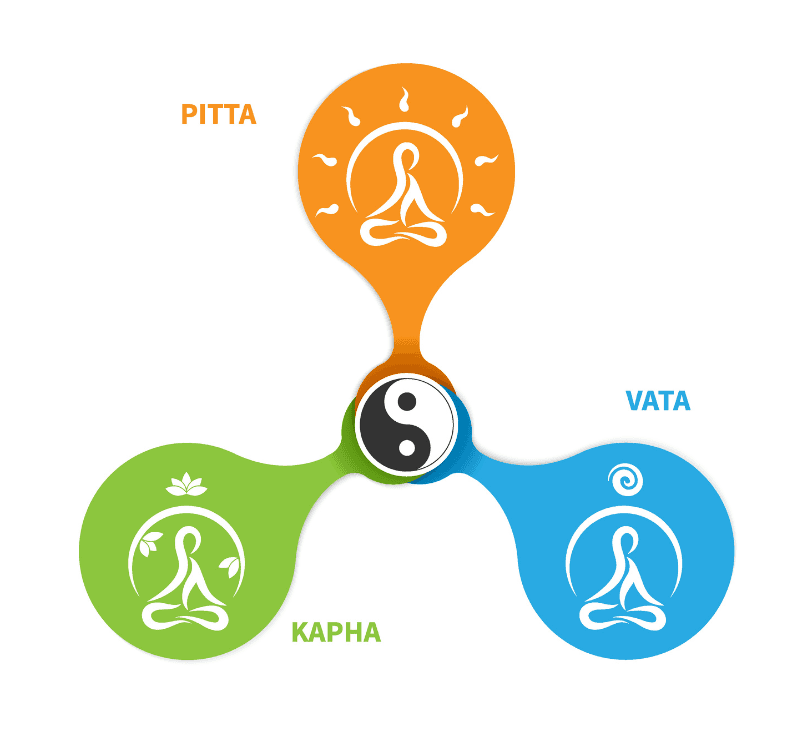
According to Ayurveda, anxiety is primarily understood through the lens of imbalance in the doshas (energetic forces): Vata, Pitta, and Kapha. Each dosha contributes to specific physical, emotional, and psychological characteristics. Anxiety is most commonly associated with an imbalance in the Vata dosha, which regulates movement and communication in the body.
Vata and Anxiety
Vata Imbalance: Vata is characterised by qualities such as cold, light, dry, and mobile. An imbalance in Vata can lead to increased anxiety, fear, and restlessness as these characteristics disturb the natural stability and calmness of the mind.
Symptoms: Symptoms of a Vata-induced anxiety include nervousness, insomnia, erratic thoughts, and difficulty concentrating.
Causes: Factors that aggravate Vata and may lead to anxiety include excessive consumption of cold and dry food, irregular routines, lack of sleep, and excessive mental work.
Ayurvedic Approach to Managing Anxiety
1. Diet
An Ayurvedic diet for balancing Vata involves nourishing, warm, and grounding foods that counteract the dryness and instability of Vata. This includes foods like warm soups, cooked vegetables, whole grains, dairy products, nuts, and seeds.
2. Herbal Remedies
Herbs are the best ayurvedic medicine for anxiety and stress. Ayurveda recommends herbs that calm the mind and nourish the nervous system. Herbs like Ashwagandha, Brahmi, and Jatamansi are known for their adaptogenic and calming properties.
3. Lifestyle Adjustments
Regular routines and calming practices such as Yoga and meditation are advised to reduce Vata imbalance. Adequate sleep and avoiding overstimulation are also crucial.
4. Massage and Aromatherapy
Regular massages with warm oils like sesame oil can soothe Vata imbalance. Aromatherapy with calming scents such as lavender, chamomile, or sandalwood can also be beneficial.
5. Pranayama
Breathing techniques like Nadi Shodhana (Alternate Nostril Breathing) are effective in calming the mind and reducing anxiety by balancing the energies within the body.
Conclusion
Ayurveda manages anxiety by balancing the doshas, especially Vata, which is closely associated with anxiety. It uses a nourishing diet, herbal remedies, lifestyle changes, massage, aromatherapy, and breathing techniques to balance the mind, body, and spirit. This holistic approach aims at both symptoms and underlying causes of anxiety, offering a natural path to mental and emotional health.