
Knowing what to eat for low blood sugar can help you respond quickly when glucose drops below the recommended range. Fast-acting carbohydrates are generally the first choice because they can raise blood glucose more quickly than high-fat or high-fibre foods. But what should you choose, how much should you take, and what should you do next? Let's break it down.
What Is Low Blood Sugar?
Low blood sugar, also called hypoglycemia, occurs when blood glucose falls below a healthy range. For many people with diabetes, a reading below 70 mg/dL (3.9 mmol/L) is considered low.
The body needs glucose for energy, particularly the brain. When glucose falls, symptoms can appear quickly and may include:
- Shaking or trembling
- Sweating
- Hunger
- Dizziness
- Weakness or tiredness
- Fast heartbeat
- Irritability
- Difficulty concentrating
- Confusion
Recognising these signs early matters because untreated hypoglycemia can become more serious.
What to Eat for Low Blood Sugar Immediately
When blood glucose is low, choose fast-acting carbohydrates that the body can absorb relatively quickly. Foods high in fat, protein, or fibre may not be the best first choice because they can slow carbohydrate absorption.
Common options include:
Glucose Tablets or Gel
Glucose tablets and glucose gel are convenient options because the carbohydrate content is usually clearly stated on the package. Follow the product instructions to determine the appropriate amount.
Fruit Juice
A measured serving of fruit juice can provide rapidly available carbohydrates. Orange, apple, grape, and other fruit juices can be practical choices when available.
Regular Soda
Regular, sugar-containing soda provides carbohydrates that can raise blood glucose. Diet and zero-sugar sodas do not work the same way because they generally do not contain enough carbohydrate.
Sugar or Honey
Measured sugar or honey can provide a quick carbohydrate source. Keeping an appropriate amount available can be useful for people who experience recurring episodes of hypoglycemia.
Hard Candy
Certain hard candies can provide rapidly absorbed sugar. Check the carbohydrate content and use enough to provide the amount recommended in your hypoglycemia treatment plan.
How Much Should You Eat for Low Blood Sugar?
The 15-15 rule is a commonly used approach for treating mild low blood sugar in people who are able to safely eat or drink.
Follow these basic steps:
- Take approximately 15 grams of fast-acting carbohydrate.
- Wait 15 minutes.
- Recheck your blood glucose.
- If it remains low, repeat the process as advised by your healthcare professional.
- Once glucose returns to the recommended range, follow your usual meal or snack plan if appropriate.
The exact amount and treatment plan can vary depending on age, medications, medical conditions, and individual circumstances. Follow the plan provided by your healthcare professional when one is available.
What Foods Provide About 15 Grams of Carbohydrate?
Portion sizes vary between products, so check nutrition labels whenever possible. Common examples of fast-acting carbohydrate sources include:
- Glucose tablets, according to the package directions
- A measured serving of fruit juice
- A measured serving of regular soda
- Sugar or honey
- Suitable candies containing approximately 15 grams of carbohydrate
The important factor is the amount of rapidly available carbohydrate, not simply the name of the food.
For everyday nutrition outside an acute low, understanding what foods can support healthy weight gain can also help when planning balanced meals around your individual nutritional needs.
Foods That May Not Be the Best First Choice
Not every food that contains carbohydrates is equally useful during an immediate low.
Chocolate
Chocolate contains sugar but also contains fat, which can slow digestion and carbohydrate absorption. It may therefore be less suitable than a fast-acting carbohydrate for correcting an immediate low.
High-Fibre Foods
Fibre can slow digestion. Although high-fibre foods can be part of a balanced diet, they are not generally the fastest option when blood glucose needs to rise promptly.
High-Fat Foods
Foods containing substantial amounts of fat can delay gastric emptying and slow carbohydrate absorption. This is one reason fast-acting carbohydrate sources are preferred during an acute low.
Protein-Rich Foods
Protein is important for overall nutrition, but a protein-rich food alone is not usually the quickest way to correct hypoglycemia.
What to Eat After Your Blood Sugar Returns to Normal?
Treating a low and maintaining stable blood glucose afterward are two different steps.
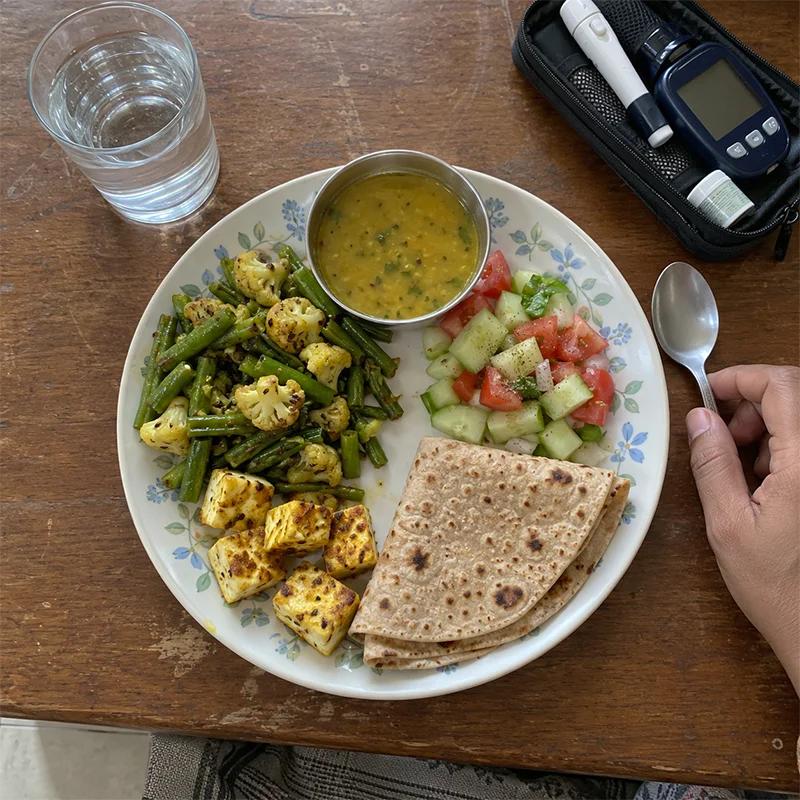
Once your blood sugar has recovered, you may need a balanced meal or snack depending on when you last ate, your medication schedule, and your individual diabetes management plan.
A balanced option can include:
- A source of complex carbohydrates
- Protein
- Vegetables or other fibre-rich foods
- Healthy fats in appropriate portions
If your next meal is still some time away, ask your healthcare professional whether you should have a follow-up snack after treating a low.
For broader nutrition planning, you can also explore healthy foods for weight gain and how different foods can fit into a balanced eating pattern.
What Causes Low Blood Sugar?
Hypoglycemia can have several causes, particularly in people managing diabetes.
Common triggers include:
- Taking too much insulin or certain diabetes medicines
- Skipping or delaying a meal
- Eating less carbohydrate than planned
- Increasing physical activity
- Exercising without adjusting food or medication appropriately
- Drinking alcohol, particularly without eating
- Changes in normal eating patterns
Recurring episodes should not simply be managed with food each time. Frequent lows can indicate that your diabetes treatment or daily routine needs professional review.
Can Low Blood Sugar Happen Without Diabetes?
Yes. Although hypoglycemia is particularly common among people using insulin or certain diabetes medicines, low blood glucose can also occur in people who do not have diabetes.
Possible causes include prolonged fasting, certain medicines, alcohol use, hormonal problems, and some underlying health conditions.
If you repeatedly experience symptoms of low blood sugar without a known reason, speak with a healthcare professional rather than relying on self-treatment alone.
How Can You Prevent Low Blood Sugar?
Preventing repeated episodes starts with understanding what triggers them.
Helpful habits may include:
- Eat meals according to your recommended schedule.
- Avoid skipping meals unnecessarily.
- Monitor blood glucose as advised.
- Carry a suitable fast-acting carbohydrate source.
- Plan meals and snacks around physical activity.
- Understand how your prescribed medicines affect glucose.
- Keep track of recurring low readings and possible triggers.
- Discuss repeated hypoglycemia with your healthcare professional.
A consistent routine can make blood glucose management easier, but individual treatment plans should always take priority.
For people working on broader weight management and healthy nutrition, meal timing and overall dietary balance can also be important considerations.
Why Is Severe Low Blood Sugar an Emergency?
Severe hypoglycemia can affect the brain and may cause significant confusion, seizures, unconsciousness, or an inability to eat and drink safely.
Emergency warning signs include:
- Loss of consciousness
- Seizures
- Severe confusion
- Inability to swallow safely
- Inability to treat the low independently
Do not give food or drink to an unconscious person or someone who cannot swallow safely, because this can cause choking. Follow the person's emergency diabetes plan, use prescribed glucagon when appropriate, and seek emergency medical assistance.
Is Ayurveda Helpful for Long-Term Blood Sugar Support?
Managing blood sugar over time involves much more than knowing what to eat for low blood sugar during an episode. A balanced diet, regular physical activity, glucose monitoring, prescribed treatment, adequate sleep, and professional guidance all have an important role.
Ayurvedic wellness products can be considered as part of an overall health routine, but they should not replace prescribed diabetes medication or emergency treatment for hypoglycemia.
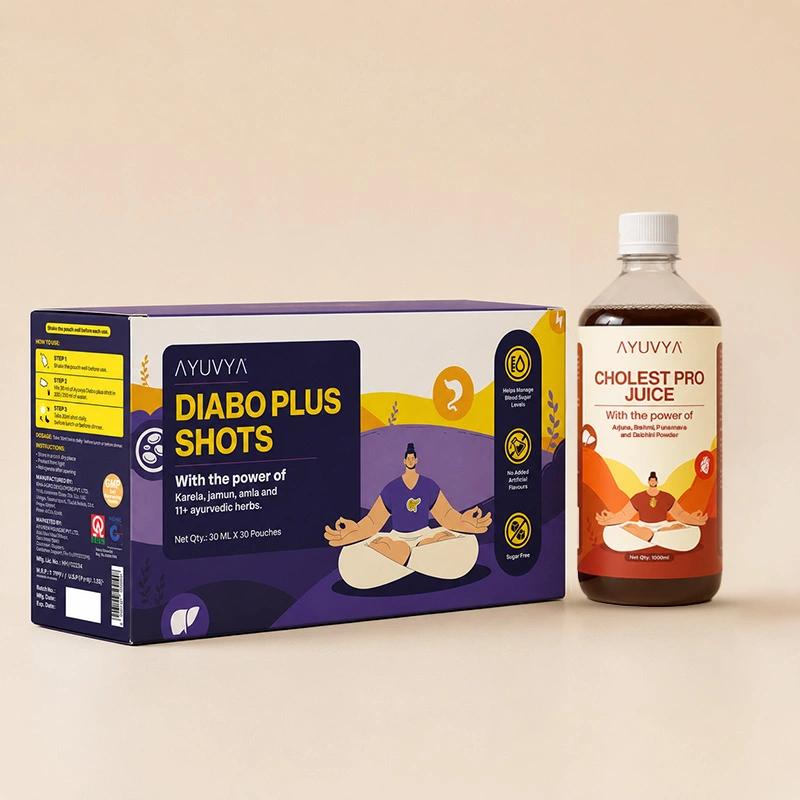
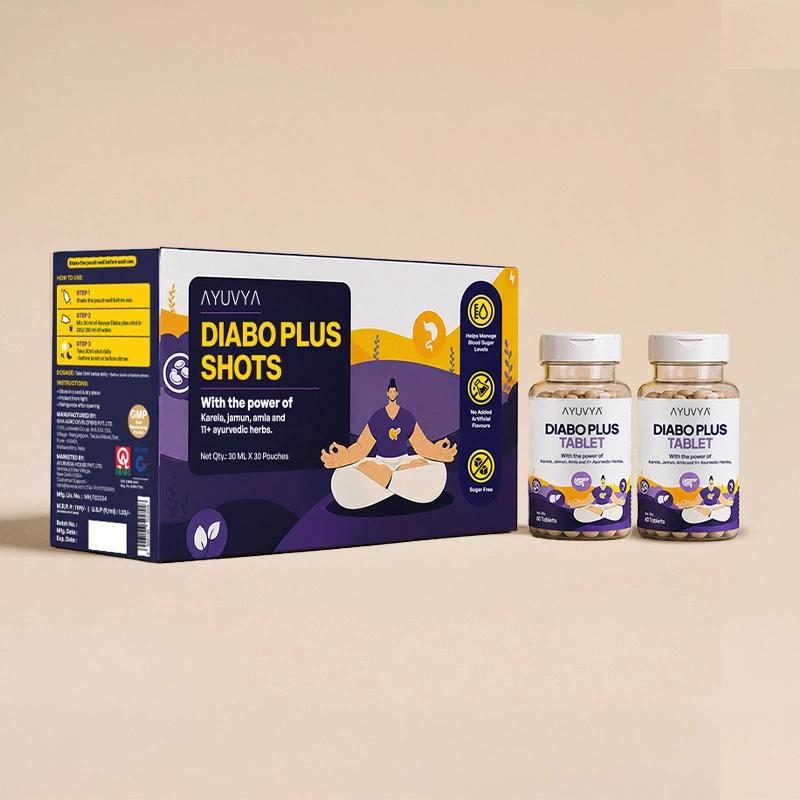
For people exploring Ayurvedic approaches to everyday blood sugar wellness, Ayuvya offers options such as Ayuvya Diabo Plus Shots | 1 Month Pack and Ayuvya Diabo Plus Tablet. Speak with your healthcare professional before adding a supplement to your diabetes routine, particularly if you take glucose-lowering medication.
Build a Better Everyday Blood Sugar Routine With Ayuvya
Understanding what to eat for low blood sugar helps you respond when glucose drops, but long-term blood sugar wellness requires a consistent and personalised approach. Alongside healthy eating, activity, monitoring, and prescribed care, you can explore Ayuvya's Ayurvedic wellness options, including Ayuvya Diabo Plus Shots | 1 Month Pack and Ayuvya Diabo Plus Tablet.
You can also explore Ayuvya's Ayurvedic health care products as part of a broader everyday wellness routine.
Explore Ayuvya and choose an approach that fits your everyday wellness routine, while keeping your healthcare professional involved in your diabetes care.