
Gaining weight healthily is about eating more nutritious calories, not simply increasing food portions. The right combination of protein, carbohydrates, and healthy fats can make a difference. If you are exploring different approaches to healthy weight gain, understanding how to gain weight naturally can help you build a sustainable eating routine. Ayuvya also offers products for people exploring additional Ayurvedic weight-management support. But first, which foods deserve a place on your plate?
What Are High-Calorie Foods and How Do They Help With Weight Gain?
Calorie-dense foods provide more energy in smaller portions. They are particularly useful for people who struggle to eat large meals or find it difficult to meet their daily calorie requirements.
To gain weight, you generally need to consume more calories than your body uses. This is called a calorie surplus. However, the quality of those calories matters.
A balanced weight-gain diet should include:
- Protein: Supports muscle repair and growth.
- Carbohydrates: Provide energy for daily activities and exercise.
- Healthy fats: Supply concentrated energy and support normal body functions.
- Vitamins and minerals: Help maintain overall health.
Choosing nutrient-rich foods instead of relying on fried snacks and sugary drinks makes it easier to build healthier eating habits. You can also explore different factors that contribute to weight gain to understand why body weight changes from person to person.
25 Best High Calorie Foods for Weight Gain
The following foods can help increase daily calorie intake while providing important nutrients. Include different options throughout the week to keep meals balanced and interesting.
1. Nuts and Seeds
Nuts and seeds are convenient snacks that provide healthy fats, protein, and minerals.
- Almonds: Offer healthy fats, protein and vitamin E. Add them to breakfast or smoothies.
- Walnuts: Contain unsaturated fats, including omega-3 fatty acids. Enjoy a small handful between meals.
- Cashews: Provide energy, magnesium and healthy fats. Add them to homemade snacks or curries.
- Peanuts: Offer protein and fats at an affordable price. Include roasted peanuts in your snack routine.
- Pumpkin seeds: Provide protein, magnesium and zinc. Sprinkle them over oats, salads or curd.
2. Dairy Products
Dairy foods can provide a useful combination of calories, protein and other nutrients.
- Whole milk: Supplies protein, carbohydrates, fat and calcium. Use it in smoothies or with oats.
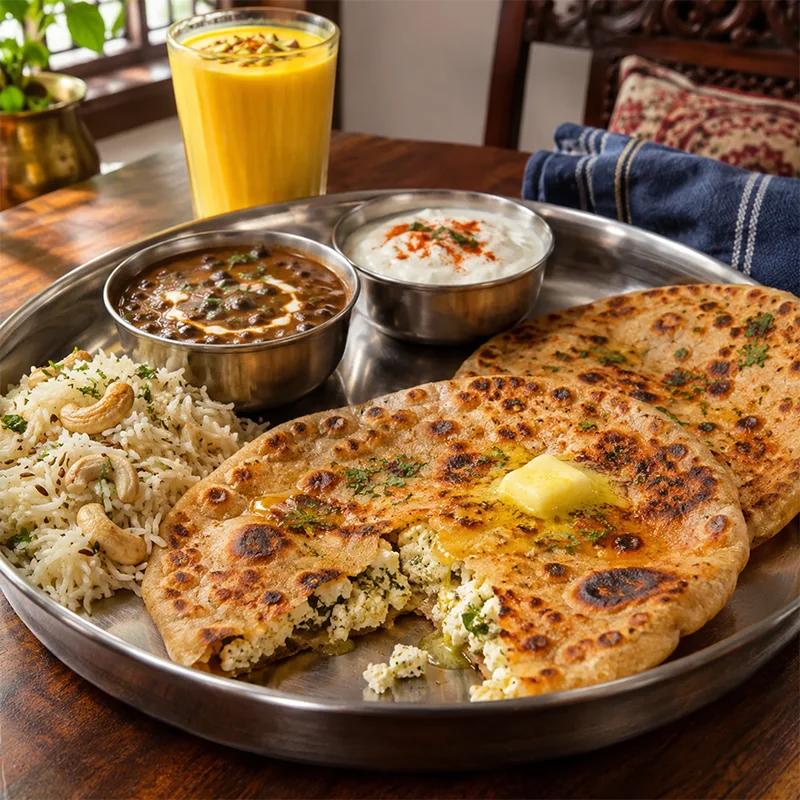
- Paneer: A versatile protein source for vegetarian meals. Add it to parathas, curries and rice bowls.
- Cheese: Provides concentrated calories and protein. Use moderate portions in sandwiches.
- Full-fat curd: Contains protein, calcium and energy. Pair it with rice, fruits or nuts.
If you prefer getting additional calories through drinks, try incorporating milk into nutritious weight-gain smoothies.
3. Fruits and Dry Fruits
Fruits provide carbohydrates, fibre and essential micronutrients.
- Bananas: Offer carbohydrates and potassium. Blend them with milk and peanut butter.
- Dates: Provide natural sugars and energy. Combine them with almonds for a convenient snack.
- Raisins: Contain concentrated carbohydrates. Add them to porridge or homemade trail mixes.
- Dried figs: Provide carbohydrates, fibre and minerals. Enjoy them between meals.
4. Healthy Fats
Dietary fats provide more than twice the calories per gram compared with protein and carbohydrates.
- Peanut butter: Provides fats and protein. Spread it on whole-grain toast or blend it into smoothies.
- Ghee: Adds concentrated energy and flavour to dal, rice and roti. Use moderate amounts.
- Avocados: Contain monounsaturated fats and fibre. Add them to sandwiches and salads.
- Coconut: Provides energy and can be included in chutneys, curries and snacks.
5. Protein-Rich Foods
Protein is important when the goal is to build muscle alongside increasing body weight.
- Eggs: Supply complete protein and several essential nutrients. Include them in breakfast or meals.
- Chicken: Provides high-quality protein. Pair it with rice or whole-grain roti.
- Oily fish: Provides protein and omega-3 fats. Include fish such as salmon or sardines where available.
- Tofu: A plant-based protein option that works well in curries, stir-fries and rice bowls.
6. Carbohydrate-Rich Foods
Carbohydrates provide energy and make it easier to increase overall food intake.
- Rice: A familiar and versatile energy source. Combine it with dal, paneer or chicken.
- Oats: Provide carbohydrates, fibre, and some protein. Prepare them with milk, bananas and nuts.
- Potatoes: Supply carbohydrates and potassium. Combine them with curd or protein-rich foods.
- Whole-grain bread: Offers carbohydrates and fibre. Pair it with peanut butter, eggs, or paneer.
Including these high calorie foods for weight gain in different combinations helps make everyday meals more nourishing without depending on processed foods.
High-Calorie Vegetarian Foods for Weight Gain
Vegetarian diets can support healthy weight gain when meals contain enough calories and protein.
Some useful combinations include:
- Paneer paratha with curd.
- Milk oats topped with almonds and dates.
- Peanut butter toast with a banana.
- Rice with dal, ghee and vegetables.
- Tofu curry with whole-grain roti.
- Banana smoothie with milk and nuts.
Combining different plant foods and dairy products can help improve the overall nutritional balance of vegetarian meals.
How Many Calories Should You Eat to Gain Weight?
Your calorie requirements depend on age, height, current weight, sex, physical activity and individual health needs.
A gradual calorie surplus is generally a sensible starting point for healthy weight gain. Many adults can begin by adding approximately 300–500 calories to their estimated daily maintenance intake, then monitor their progress and adjust accordingly.
Avoid following extremely high-calorie diets without professional guidance. The goal is to increase weight steadily while supporting muscle development and overall health.
How to Include High-Calorie Foods in Your Daily Indian Diet
Eating consistently is often more helpful than trying to consume a very large meal at once.
Try these simple habits:
- Breakfast: Have milk oats with bananas, almonds or peanut butter.
- Mid-morning: Snack on dates, cashews or walnuts.
- Lunch: Combine rice or roti with dal, paneer, curd and vegetables.
- Evening: Prepare a banana and milk smoothie.
- Dinner: Include eggs, chicken or tofu with rice or roti.
- Before bed: Have milk if it suits your digestion and dietary needs.
You can also increase portion sizes gradually and include snacks between meals if your appetite is limited.
Sample 7-Day Indian Diet Plan for Healthy Weight Gain
Here is a simple meal framework using commonly available foods.
Day | Breakfast | Lunch | Evening Snack | Dinner |
|---|---|---|---|---|
Monday | Milk oats and banana | Rice, dal and paneer | Almonds and dates | Roti and vegetables |
Tuesday | Paneer paratha and curd | Rice and chicken | Banana smoothie | Dal and roti |
Wednesday | Peanut butter toast | Paneer rice bowl | Dry fruits | Roti and vegetable curry |
Thursday | Banana oats smoothie | Rice, dal and curd | Nuts | Paneer paratha |
Friday | Eggs or tofu bhurji | Rice and vegetables | Dates and almonds | Roti and paneer |
Saturday | Oats with milk | Chicken or tofu rice bowl | Peanut butter toast | Dal and rice |
Sunday | Paneer sandwich | Rice, dal and vegetables | Fruit smoothie | Roti and protein-rich curry |
Adjust serving sizes according to your calorie requirements, appetite and activity level. This is a sample plan, not an individualised nutrition prescription.
Common Mistakes to Avoid When Trying to Gain Weight
Even a calorie-rich diet may not be helpful if eating habits are inconsistent.
Avoid these common mistakes:
- Depending mainly on fast food and sugary drinks.
- Skipping meals because of a busy routine.
- Ignoring protein intake.
- Avoiding strength training altogether.
- Expecting significant changes within a few days.
- Taking supplements without checking their ingredients and suitability.
If you are losing weight unexpectedly or struggling to gain weight despite eating adequately, consult a healthcare professional to investigate possible underlying causes.
Can Ayurvedic Wellness Support Your Weight-Gain Journey?
Ayurveda traditionally emphasises balanced eating habits, digestion and individual routines. These principles can be considered alongside modern nutritional practices, provided they do not replace appropriate medical care.
For people exploring Ayurvedic weight-management products, Ayuvya offers two relevant options:
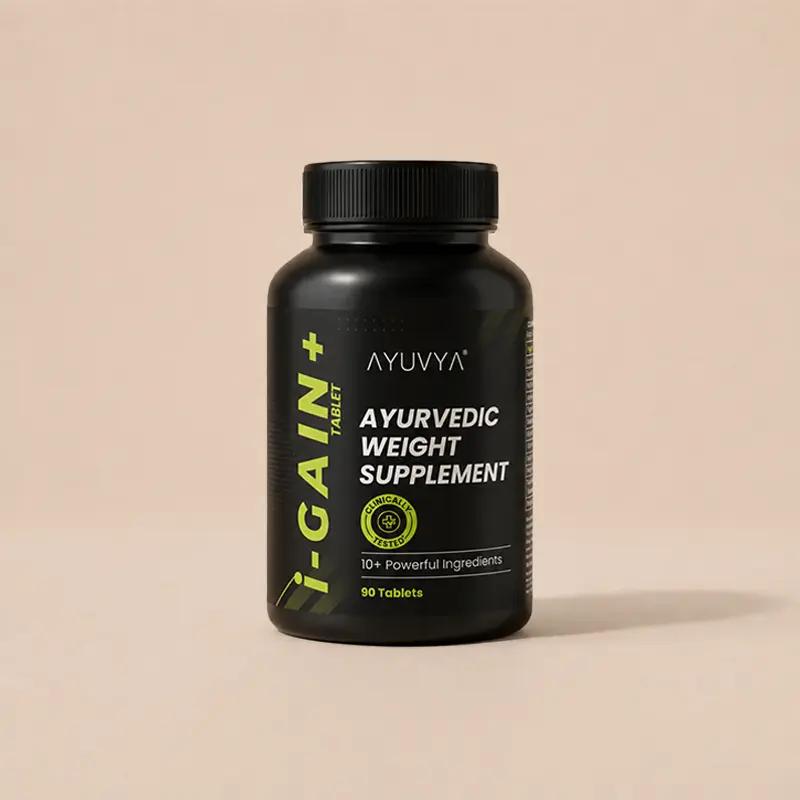
- Ayuvya i-Gain+: An Ayurvedic supplement positioned around appetite support and healthy weight management.
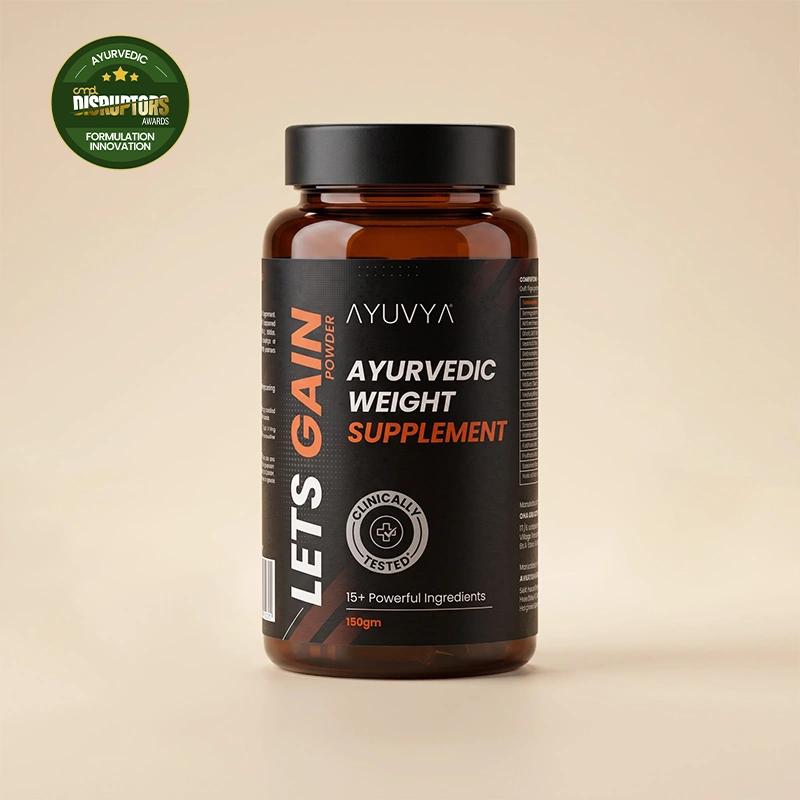
- Ayuvya Lets Gain: An Ayurvedic weight-management powder that can be explored as part of the brand's weight-gain offerings.
Supplements should complement, not replace, a balanced diet. Check the ingredients and directions, and consult a qualified healthcare professional if you have a medical condition, take medication, are pregnant or breastfeeding, or have known food allergies. Individual results can vary.
People looking for gender-specific options can also browse Ayurvedic supplements for weight gain and weight-gain supplements for men.
Start Your Healthy Weight-Gain Journey With Ayuvya
Healthy weight gain takes consistency, balanced nutrition, and patience. Choosing the right foods is the foundation, while regular physical activity and good daily habits help support your progress.
If you are exploring additional Ayurvedic weight-management support, discover Ayuvya's i-Gain+ and Lets Gain offerings.
Explore Ayuvya's Weight Management Collection and find an option that complements your nutritional routine.
Eat well, stay consistent and make your health the priority.