
Gaining weight healthily requires more than simply eating larger portions. A balanced diet, adequate protein, calorie-rich foods, and consistent lifestyle habits help support healthy weight gain. Whether you are naturally slim or struggling to increase your body weight, Ayuvya encourages a nutrition-first approach that combines mindful eating with appropriate Ayurvedic wellness support. If you are just beginning, understanding how to gain weight naturally can help you establish realistic eating habits.
What Makes a Healthy Diet Plan for Weight Gain?
A healthy approach to gaining weight involves consuming more calories than your body uses throughout the day. This is known as a calorie surplus. However, the quality of those calories matters just as much as the quantity.
Instead of relying on fried foods, sugary drinks, or processed snacks, choose foods that provide protein, carbohydrates, healthy fats, vitamins, and minerals.
A balanced eating routine should include:
- Protein: Supports muscle repair and development. Include paneer, eggs, milk, lentils, chicken, fish, and tofu.
- Carbohydrates: Provide energy for daily activities and workouts. Choose rice, oats, potatoes, whole wheat roti, and bananas.
- Healthy fats: Supply concentrated energy. Include almonds, walnuts, seeds, peanut butter, and ghee.
- Fruits and vegetables: Provide essential vitamins, minerals, and dietary fibre.
- Dairy products: Milk, curd, and paneer offer protein and other important nutrients.
Consistency is essential. Eating nutritious meals regularly is more effective than occasionally consuming large amounts of food. You can also explore weight gain foods for men for additional meal ideas and practical food choices.
How Many Calories Should You Eat to Gain Weight?
Your daily calorie requirement depends on your age, current weight, activity level, metabolism, and overall health.
A commonly used starting approach is to consume approximately 300–500 additional calories per day above your maintenance requirements. This moderate surplus can support gradual weight gain, although individual needs vary.
To manage your calorie intake:
- Understand how many calories your body needs to maintain its current weight.
- Add nutritious, calorie-dense foods to your existing meals.
- Include protein with your main meals.
- Monitor your weight and energy levels regularly.
- Adjust your portions according to your progress.
If you are consistently losing weight without an obvious reason, consult a healthcare professional before changing your diet.
Best Foods to Include in a Weight Gain Diet Plan
Choosing nutrient-dense foods makes it easier to increase your calorie intake without compromising nutritional quality.
1. Protein-Rich Foods
Protein is particularly important when your goal is to develop muscle alongside weight gain.
Include:
- Eggs and chicken.
- Paneer and tofu.
- Milk and Greek yoghurt.
- Rajma, chana, and lentils.
- Fish and soybeans.
Combining adequate protein with resistance training supports muscle growth and recovery.
2. Healthy Fats
Healthy fats provide more calories per gram than protein or carbohydrates, making them useful additions to everyday meals.
Good options include:
- Almonds and walnuts.
- Peanut butter.
- Cashews.
- Chia and flaxseeds.
- Ghee and avocado.
Add a handful of nuts to breakfast or use nut butter in smoothies for an easy nutritional boost.
3. Carbohydrate-Rich Foods
Carbohydrates provide energy for exercise and everyday activities.
Include rice, oats, whole wheat roti, sweet potatoes, potatoes, bananas, and whole grains in your meals.
Combining carbohydrates with protein and healthy fats creates more balanced meals. For more food ideas, read about what you should eat to gain weight.
4. High-Calorie Fruits and Snacks
Bananas, mangoes, dates, raisins, and dried figs are convenient options when you need additional calories.
Other snack ideas include:
- Peanut butter toast.
- Banana and milk smoothies.
- Homemade dry fruit ladoos.
- Curd with nuts and seeds.
- Roasted chana with almonds.
7-Day Indian Diet Plan for Weight Gain
A practical Indian meal schedule makes it easier to maintain consistent eating habits. The following chart includes familiar vegetarian and non-vegetarian options.
Day | Breakfast | Lunch | Evening Snack | Dinner |
|---|---|---|---|---|
Monday | Paneer paratha and curd | Dal, rice and vegetables | Banana milkshake | Roti and paneer curry |
Tuesday | Oats with milk and almonds | Rajma chawal | Peanut butter toast | Roti and mixed vegetables |
Wednesday | Vegetable poha and milk | Chole rice | Dates and walnuts | Dal and roti |
Thursday | Besan chilla and curd | Vegetable pulao and raita | Banana smoothie | Paneer and roti |
Friday | Peanut butter toast and milk | Dal khichdi and curd | Mixed dry fruits | Roti and soy curry |
Saturday | Stuffed paratha and curd | Rice, dal and vegetables | Homemade smoothie | Chicken curry or paneer with roti |
Sunday | Banana oats with nuts | Rajma chawal | Peanut chikki and milk | Roti, dal and vegetables |
Additional meal suggestions:
- Mid-morning: A seasonal fruit, yoghurt, or a handful of nuts.
- Bedtime: A glass of milk or another suitable snack based on your appetite.
Adjust food portions according to your individual calorie requirements. People following a vegetarian diet can replace meat and fish with paneer, tofu, legumes, and other protein-rich foods.
Tips to Follow the Diet Chart Effectively
- Avoid skipping breakfast or other main meals.
- Eat at regular intervals.
- Include protein in your main meals.
- Add healthy snacks between meals.
- Drink sufficient water throughout the day.
- Monitor your progress rather than expecting immediate changes.
Vegetarian and Non-Vegetarian Foods for Healthy Weight Gain
Both vegetarian and non-vegetarian diets can support healthy weight gain when planned properly.
Vegetarian options:
- Paneer and tofu.
- Milk, curd, and yoghurt.
- Dal, rajma, and chickpeas.
- Nuts and seeds.
- Peanut butter and whole grains.
Non-vegetarian options:
- Eggs.
- Chicken.
- Fish.
- Lean meat.
- Dairy products and legumes.
The important factor is meeting your daily calorie and protein requirements through a varied and balanced diet.
Exercises That Support Healthy Weight Gain
Exercise plays an important role in gaining muscle rather than relying entirely on increased body fat. Resistance training helps stimulate muscle development when combined with adequate nutrition.
Consider including these beginner-friendly exercises:
- Squats: Strengthen the legs and lower body.
- Push-ups: Work the chest, shoulders, and arms.
- Lunges: Improve lower-body strength.
- Dumbbell rows: Strengthen the back.
- Shoulder presses: Develop shoulder muscles.
Start at a comfortable level and gradually increase the intensity. Allow adequate recovery between workouts and aim for consistent, sufficient sleep.
Common Mistakes to Avoid When Trying to Gain Weight
Even with good intentions, certain eating habits can make progress difficult.
- Depending on junk food: Excessive fried foods and sugary snacks provide calories but may lack essential nutrients.
- Ignoring protein: Eating more calories without sufficient protein may not adequately support muscle development.
- Skipping meals: Irregular eating can make it difficult to meet daily calorie requirements.
- Overtraining: Excessive exercise without sufficient food and recovery can interfere with progress.
- Expecting immediate results: Healthy weight gain requires patience and consistency.
How Can Ayurveda Support Your Weight Gain Routine?
Ayurveda places importance on digestion, nourishment, food choices, and daily routines. These principles can complement a balanced approach to maintaining a healthy weight.
Regular meals, freshly prepared foods, adequate rest, and attention to appetite can help establish healthier eating habits.
Ayuvya brings traditional Ayurvedic knowledge into modern wellness formulations. For people exploring additional support alongside their nutritional routine, two relevant offerings include:
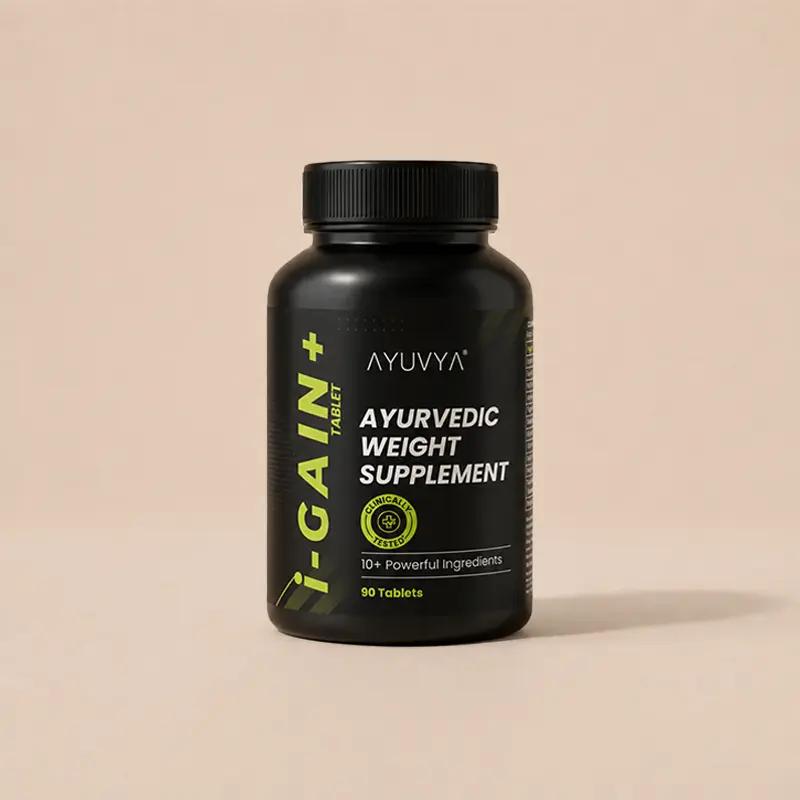
Ayuvya i-Gain+
Ayuvya i-Gain+ is positioned as an Ayurvedic appetite support and weight management supplement. It can be explored by individuals interested in incorporating Ayurvedic products into their wellness routine.
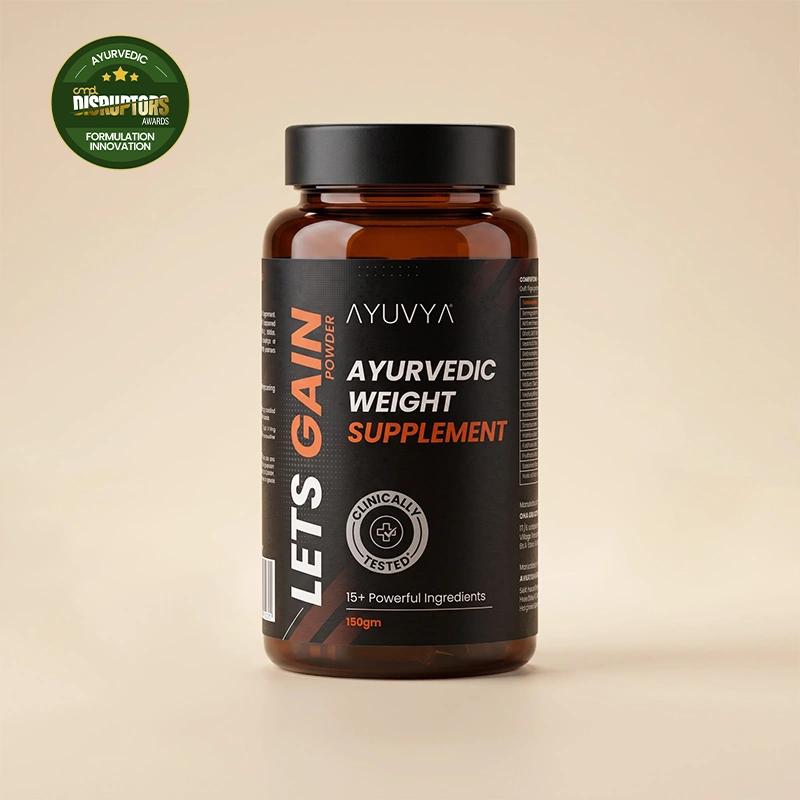
Ayuvya Lets Gain
Ayuvya Lets Gain is an Ayurvedic energy support and weight management powder. It offers another option within Ayuvya's weight management collection.
People interested in different product formats can also explore weight gain supplements,weight gain powders, and weight gain tablets to understand the available options.
These products should complement nutritious meals rather than replace them. Follow the official product instructions and consult a qualified healthcare professional if you have underlying health concerns or take medication.
Build Better Nourishment Habits with Ayuvya
Healthy weight gain is not about eating everything in sight. It is about understanding your body's nutritional needs, choosing nourishing foods, maintaining consistent habits, and allowing your body time to respond.
At Ayuvya, we believe that traditional Ayurvedic knowledge and modern wellness needs can work together. Explore Ayuvya i-Gain+ and Lets Gain as complementary options within a balanced wellness routine.
Ready to take a more mindful approach to weight management?
Explore the Ayuvya Weight Management Collection and discover Ayurvedic wellness products that complement your health goals.
Disclaimer: This article is for general educational purposes and does not replace personalised medical or nutritional advice. Consult a qualified healthcare professional before starting supplements or making significant dietary changes, especially if you are underweight or experiencing unexplained weight loss.