How to Gain Weight: Healthy Ways to Gain Weight Fast

Dr. Deepankar Rahul
Aug 20, 2026
SHARE THIS BLOG:
How to gain weight starts with a consistent calorie surplus built around nutritious foods, adequate protein, healthy fats, carbohydrates, regular meals, strength training, sleep, and recovery. Aim for gradual, sustainable progress rather than relying on processed foods or shortcuts. Individual needs vary, so persistent unexplained weight changes deserve professional guidance.
If you want to know how to gain weight, focus on nourishing your body consistently rather than simply eating more. A balanced routine can combine calorie-dense foods, protein, strength training, rest, and sensible lifestyle habits. Ayuvya can complement this approach with its Ayurvedic Weight & Power range. The key is building habits that last.
How to Gain Weight in a Healthy Way?
Healthy weight gain generally means creating a consistent calorie surplus while choosing foods that provide useful nutrients. Your body needs energy, protein, vitamins, minerals, and healthy fats, not simply extra calories.
Start with these foundations:
- Eat regular meals and snacks.
- Add calorie-dense ingredients to familiar meals.
- Include a protein source with each main meal.
- Choose nutritious carbohydrate sources such as rice, oats, potatoes and fruits.
- Include healthy fats such as nuts, seeds, nut butter and suitable oils.
- Add resistance training to support muscle development.
- Prioritise sleep and recovery.
There is no single calorie target suitable for everyone. Your age, body size, activity level, appetite and overall health influence your nutritional needs. If you consistently eat more but still struggle to gain weight, a doctor or registered dietitian can help identify an appropriate approach.
How to Gain Weight Fast Without Compromising Your Health?
The search for how to gain weight fast can sometimes lead people towards excessive eating or low-quality foods. A healthier approach is to increase calorie intake consistently while improving the nutritional quality of your meals.
Create a Consistent Calorie Surplus
A calorie surplus means consuming more energy than your body uses. Rather than suddenly increasing portions, gradually add an extra snack or calorie-dense ingredients to meals. This can make the routine easier to maintain.
Eat More Frequently
If large meals feel uncomfortable, divide your intake across three meals and two or three snacks. Options such as yoghurt with nuts, a peanut-butter sandwich or a homemade smoothie can add energy without making every meal excessively large.
Make Existing Meals More Calorie-Dense
Small additions can make a meaningful difference. Add nuts or seeds to porridge, nut butter to toast, paneer to meals, or suitable healthy oils to cooked dishes.
Best Foods to Eat to Gain Weight
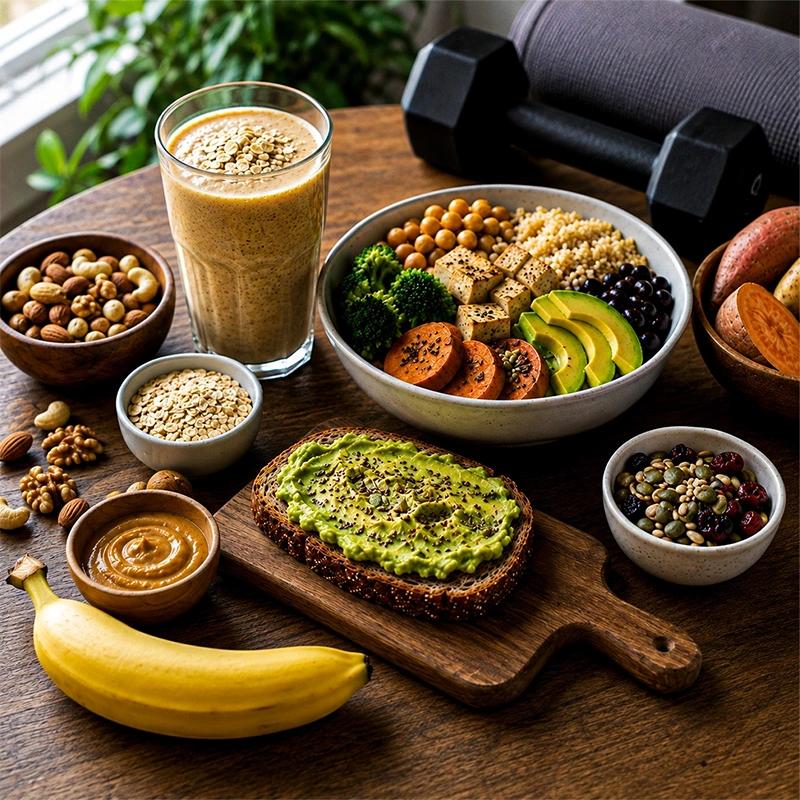
When planning how to gain weight, build meals around a combination of protein, carbohydrates and healthy fats rather than relying on one food group.
Protein-Rich Foods
Eggs, paneer, milk, yoghurt, lentils, beans, soy foods, chicken and fish can provide protein. Protein becomes particularly important when combined with resistance training because it supports muscle maintenance and development.
Healthy Fats
Nuts, seeds, nut butters, avocado and suitable cooking oils are energy-dense choices. They can help increase calorie intake without requiring very large portions.
Carbohydrate-Rich Foods
Rice, oats, potatoes, sweet potatoes, whole-grain breads, pasta and fruits can provide carbohydrates and energy. Include a variety that suits your dietary preferences and tolerance.
Calorie-Dense Snacks
Try combinations such as banana with nut butter, yoghurt with nuts and fruit, a paneer sandwich, or a homemade smoothie containing milk or a suitable alternative, oats, fruit and nut butter.
What Should a Weight Gain Diet Plan Look Like?
A practical weight gain diet plan does not have to be complicated. The aim is to make meals balanced and add snacks when needed.
- Breakfast: Oats with milk, banana and nuts, alongside eggs or another protein source.
- Mid-morning: Yoghurt with fruit and seeds, or a nut-butter sandwich.
- Lunch: Rice or roti with dal, paneer or another protein, vegetables and a source of healthy fat.
- Evening: A smoothie, fruit with nuts, or another nutrient-dense snack.
- Dinner: Rice, roti or potatoes with vegetables and a protein-rich dish.
- Bedtime: If needed, a small nourishing snack such as milk or yoghurt with nuts.
Portions should be adjusted according to individual energy needs. A sample plan is a starting point rather than a personalised prescription.
Can Exercise Help You Gain Weight?
Yes. Strength training can make a weight-gain routine more purposeful by encouraging muscle development rather than focusing only on scale weight. Exercises such as squats, lunges, push-ups, rows, and other resistance movements can be included according to your fitness level.
Aim for gradual progression and allow your muscles enough time to recover. Adequate food, protein, and sleep matter alongside training. For some people, excessive cardio can also make maintaining a calorie surplus more difficult.
An Ayurvedic Approach to Healthy Weight Gain
Ayurveda takes a broader view of wellbeing, with attention to food, digestion, daily routines and individual needs. Ayuvya's Weight & Power category similarly presents weight management as a combination of nutrition, physical activity, lifestyle and Ayurvedic products.
An Ayurvedic approach should complement, not replace, a nourishing diet and appropriate professional care. Focus on regular meals, mindful eating, adequate rest, and a routine you can maintain. Traditional solutions like Ayurvedic supplements for weight gain or Ayurvedic medicine for weight gain may be considered as part of that routine when appropriate, but they should not replace balanced meals.
Ayuvya Products to Complement Your Weight-Gain Routine
For people exploring Ayurvedic support alongside nutrition and lifestyle habits, Ayuvya's Weight & Power range includes products positioned around healthy weight gain and nourishment.
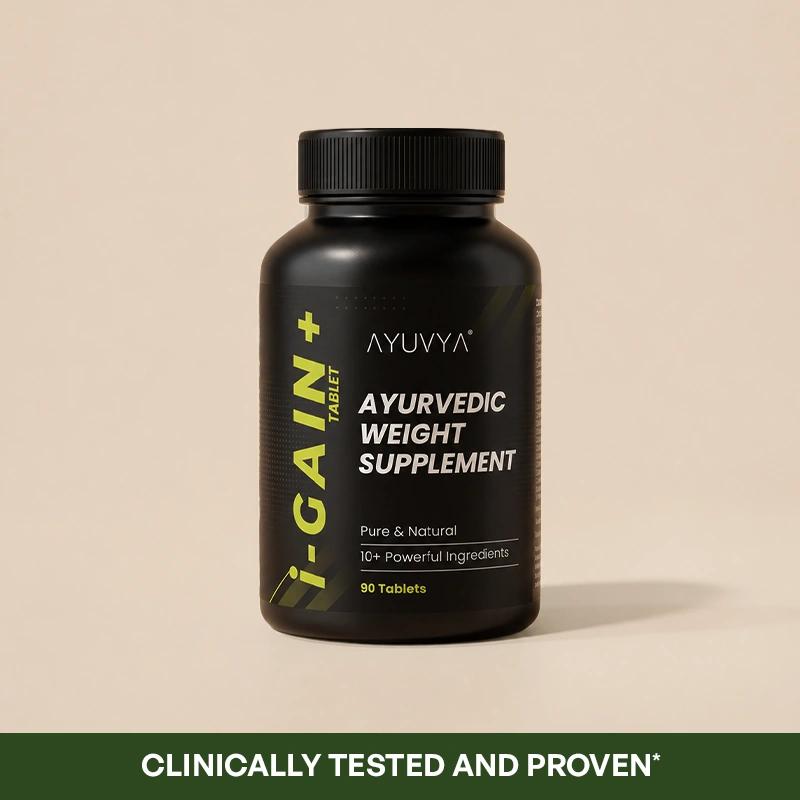
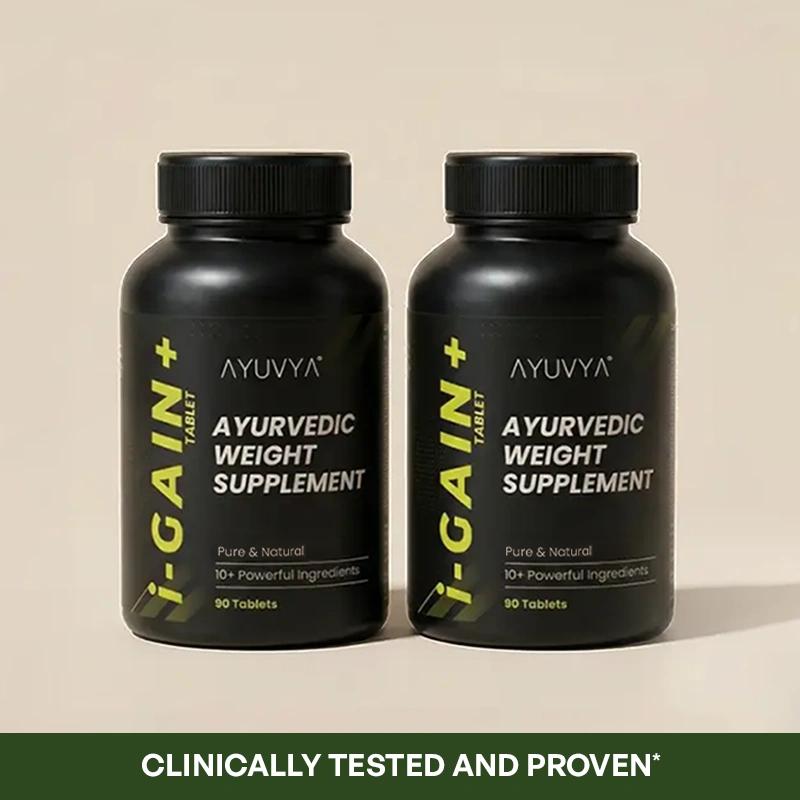
Ayuvya i-Gain+ is presented by the brand as supporting healthy appetite, digestion, nutrient absorption, energy, and healthy weight gain. Ayuvya Lets Gain is positioned around healthy weight gain, nourishment, strength and energy. The Ayuvya Lets Gain & i-Gain+ Weight Gain Combo brings both products together as part of the brand's weight-gain program.
Broader choices like weight gain supplements for men offer structured nutritional support.
Other products currently listed in the range include Ayuvya i-GAIN+ Weight Gain Powder 500gm, Ayuvya i-Gain+ Combo, and Ayuvya i-Gain+ & 2 Lets Gain (1 month Pack).
Choose products according to your needs and always review ingredients, directions, and suitability. Ayuvya states that its products are not intended to diagnose, treat, cure, or prevent disease and recommends consulting a healthcare professional, particularly if you have health conditions or allergies.
How Long Does It Take to Gain Weight?
There is no universal timeline for healthy weight gain. Results can vary according to calorie intake, activity, body composition, appetite, genetics, and consistency.
Daily scale changes can also reflect hydration and digestion. Therefore, looking at longer-term trends is often more useful than judging progress from one weigh-in.
A steady routine is generally more sustainable than chasing dramatic changes quickly. If your weight is changing unexpectedly or you cannot gain despite consistent effort, professional assessment is worthwhile.
Why Am I Not Gaining Weight Even Though I Eat More?
Several factors can make weight gain difficult. You may be underestimating portions, eating inconsistently, burning more energy through activity than expected, or struggling with appetite.
Stress, dietary restrictions, and certain health conditions can also affect weight or appetite. If you have unexplained weight loss, ongoing digestive symptoms, a significant appetite change, or persistent difficulty gaining weight, speak with a doctor or registered dietitian rather than relying only on supplements.
Common Mistakes to Avoid When Trying to Gain Weight
- Depending mainly on junk food for extra calories.
- Skipping meals and compensating later.
- Ignoring protein and overall nutritional quality.
- Avoiding strength training when muscle gain is the goal.
- Expecting dramatic results within days.
- Replacing balanced meals with supplements.
- Following someone else's calorie target without considering individual needs.
Start Your Healthy Weight-Gain Journey With Ayuvya
Learning how to gain weight is only the first step; making the routine sustainable is what matters. Build meals around quality nutrition, stay consistent with strength training and recovery, and choose additional support thoughtfully.
If you are looking for an Ayurvedic option to complement your routine, explore Ayuvya's Weight & Power range and its weight-gain products, including Ayuvya i-Gain+, Ayuvya Lets Gain, and the Ayuvya Lets Gain & i-Gain+ Weight Gain Combo. Start with habits that fit your body, lifestyle, and goals, and give healthy progress the time it deserves.
(Note: If your goals eventually shift or you're managing overall metabolic balance, solutions like Ayurvedic tablets for weight loss offer alternative options within the weight management spectrum.)

Dr. Deepankar Rahul
BAMS, MD (AYURVEDA), NPD and R&D Manager · Ayurveda Physician
Dr. Deepankar Rahul is an Ayurveda physician and NPD and R&D professional with a background in Ayurvedic medicine, product formulation, and wellness innovation. With a BAMS and MD in Ayurveda, he brings together traditional Ayurvedic knowledge and a contemporary, evidence-oriented approach to developing wellness products. His work involves research, formulation development, ingredient evaluation, product standardisation, and ensuring that Ayurvedic and wellness products are designed with quality, safety, efficacy, and consumer needs in mind.
As an NPD and R&D Manager, Dr. Deepankar works closely across formulation, manufacturing, regulatory, and product-development teams to transform traditional wellness concepts into practical, consumer-focused products. His areas of interest include Ayurveda-based nutrition, preventive wellness, herbal formulations, functional foods and supplements, and the scientific evaluation of traditional ingredients. Through his work, he aims to bridge the gap between Ayurveda and modern wellness by encouraging thoughtful formulation, responsible communication, and evidence-based product development.