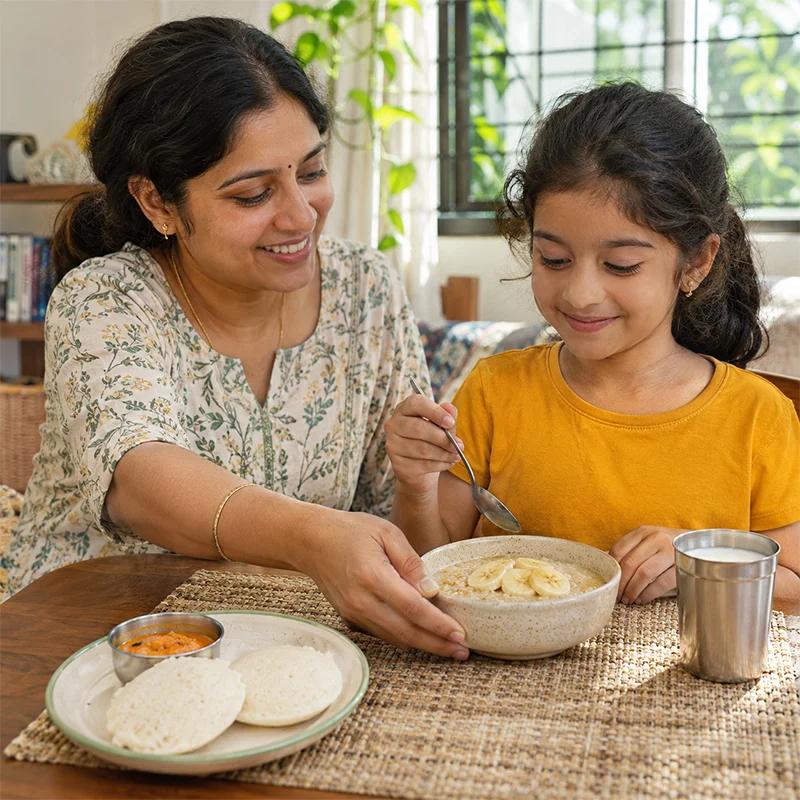



Ayurvedic Medicine for Weight Gain in Children is a common search among parents concerned about their child's appetite, nutrition, and physical development. However, low weight does not always indicate poor health. A child's growth pattern, eating habits, and medical history matter. Ayurveda offers a traditional perspective on nourishment, while Ayuvyaprovides a separate range of weight-management products for adults. Understanding this distinction is the first step towards making informed choices.
What Is Considered Healthy Weight Gain in Children?
Healthy weight gain varies with age, height, sex, genetics and developmental stage. Infants generally grow rapidly during their early months, while older children experience different growth patterns depending on their age and puberty.
A child who appears thinner than classmates may still be growing normally. Similarly, a child who has not gained much weight over a short period may need further assessment.
Doctors evaluate growth using:
- Weight-for-age and height-for-age measurements.
- Weight-for-length charts for younger children.
- BMI-for-age measurements for older children.
- Changes in growth patterns over time.
A single measurement is not enough to determine whether a child is underweight. Consistent growth monitoring helps identify concerns early.
What Causes Poor Weight Gain in Children?
Several nutritional, lifestyle and medical factors can influence a child's weight.
1. Inadequate Nutritional Intake
Children who skip meals, eat very small portions or consume a limited variety of foods may not receive enough energy and nutrients for growth.
2. Poor Appetite and Eating Difficulties
Picky eating, irregular meal schedules and feeding difficulties can make it harder for children to meet their nutritional requirements.
3. Digestive Problems
Persistent diarrhoea, constipation, food intolerances and conditions affecting nutrient absorption may interfere with healthy growth.
4. Increased Nutritional Requirements
Growth spurts, puberty and high levels of physical activity can increase a child's nutritional requirements.
5. Underlying Health Conditions
Thyroid disorders, chronic infections and gastrointestinal conditions may contribute to poor weight gain. Persistent concerns deserve medical evaluation rather than treatment based only on appetite improvement.
How Does Ayurveda Explain Healthy Weight Gain in Children?
Ayurveda considers digestion, nourishment and daily routines important aspects of overall health. Its traditional principles offer a way to understand food habits and digestive wellbeing.
Role of Agni in Digestion
Agni is the Ayurvedic concept associated with digestive and metabolic functions. Traditional Ayurvedic practices emphasise regular meals, suitable food choices and healthy eating habits to support digestion.
For children, this translates into providing nutritious meals at consistent times and identifying foods they tolerate well.
Importance of Ahara (Nutrition)
Ahara refers to food and nourishment in Ayurveda. A balanced diet is essential during childhood because growing bodies need energy, protein, vitamins and minerals.
Parents can focus on:
- Freshly prepared, balanced meals.
- Age-appropriate portions.
- Protein-rich foods.
- Seasonal fruits and vegetables.
- Adequate fluids.
For additional dietary guidance, parents can explore general information on foods that support healthy weight gain, while adapting food choices to their child's age and nutritional requirements.
Understanding Bala and Healthy Development
Bala refers to strength and vitality in traditional Ayurvedic understanding. Childhood nourishment should support physical growth, energy and development rather than simply increasing the number on the weighing scale.
These Ayurvedic concepts should complement, not replace, modern paediatric growth assessment.
How Can Parents Support Healthy Weight Gain Naturally?
A consistent food and lifestyle routine is more useful than relying on a single food or supplement.
1. Include Nutrient-Rich Foods
Offer a variety of foods that provide energy, protein and essential nutrients.
Useful options include:
- Milk, curd and paneer, where tolerated.
- Dal, chickpeas, beans and other pulses.
- Eggs and other suitable protein sources.
- Rice, roti and whole grains.
- Bananas and seasonal fruits.
- Nuts and seeds in safe, age-appropriate forms.
Combining different food groups helps children receive a broader range of nutrients.
2. Maintain Regular Meal Timings
Offer three balanced meals and suitable snacks according to the child's age and appetite. Avoid forcing children to finish portions, as pressure around eating can make mealtimes stressful.
3. Encourage Adequate Sleep
Sleep supports normal growth and development. Maintain a consistent bedtime and limit stimulating screen activities before sleep.
4. Promote Physical Activity
Outdoor play, cycling, swimming and age-appropriate sports encourage fitness and healthy development. Physical activity should be enjoyable rather than focused solely on increasing appetite.
Ayurvedic Medicine for Baby Weight Gain: What Should Parents Know?
Parents searching for Ayurvedic medicine for baby weight gain should understand that infants have very different nutritional requirements from older children.
During the first six months, breast milk or appropriate infant formula provides the primary nutrition. Complementary foods are generally introduced around six months while breastfeeding continues where possible.
For healthy infant growth, parents should:
- Monitor weight and length through regular health visits.
- Follow appropriate breastfeeding or formula-feeding guidance.
- Introduce suitable complementary foods at the recommended age.
- Seek advice if feeding difficulties or slow growth occur.
Herbal medicines, adult weight-gain tablets and commercial weight-gain powders should not be given to babies without explicit medical advice. Natural ingredients are not automatically safe for infants.
Which Weight Gain Ayurvedic Medicine Is Suitable for an 11-Year-Old Boy?
Parents searching for weight gain ayurvedic medicine for 11 year old boy should first establish whether the child is actually underweight.
At this age, growth can vary considerably because some children enter puberty earlier than others. A paediatrician can assess height, weight, BMI-for-age and growth history before recommending an appropriate approach.
For an 11-year-old boy, healthy habits include:
- Eating regular meals with sufficient protein.
- Including dairy, pulses, eggs or other suitable protein sources.
- Having nutritious snacks between meals.
- Getting adequate sleep.
- Participating in regular physical activity.
If appetite remains poor or weight gain is consistently below expectations, a medical assessment can help identify nutritional deficiencies, digestive problems or other underlying conditions.
Adult Ayurvedic weight-gain medicines and supplements should not automatically be considered suitable for an 11-year-old. Any herbal preparation must be assessed individually by a qualified paediatric healthcare professional.
When Should Parents Consult a Doctor?
Occasional changes in appetite are common during childhood. However, certain signs require attention.
Consult a paediatrician if your child experiences:
- Persistent weight loss or inadequate weight gain.
- Frequent diarrhoea or vomiting.
- Ongoing loss of appetite.
- Unusual tiredness or weakness.
- Difficulty swallowing or eating.
- Delayed growth or other developmental concerns.
Early evaluation helps identify the reason behind poor weight gain and allows treatment to address the underlying problem.
Understanding Ayuvya's Approach to Weight Management
Ayuvya offers Ayurvedic weight-management products designed for adults who want support alongside balanced nutrition and healthy lifestyle habits.
Its relevant product range includes:
- Ayuvya i-Gain+: An Ayurvedic tablet formulation positioned to support appetite, digestion, nutrient utilisation and healthy weight management.
- Ayuvya Lets Gain: A nutritional weight-gain powder designed to complement daily dietary intake and support overall nourishment.
- Ayuvya Lets Gain & i-Gain+ Weight Gain Combo: A combination of the two products for adults exploring Ayuvya's weight-management range.
Adults looking for specific formulations can also browse the Ayuvya Ayurvedic medicine for weight gain, its weight gain tablets and weight gain powder categories.
These products are intended for adult weight-management use, not as established treatments for childhood underweight. Parents should not administer them to babies or children based on this article. Always check product directions, intended age group and consult a healthcare professional before use.
Explore Ayuvya's Weight-Management Range
Healthy weight management begins with understanding individual nutritional needs and making informed choices. For children, balanced meals, regular growth monitoring and appropriate medical guidance remain the priorities.
For adults looking for Ayurvedic weight-management support, Ayuvya offers i-Gain+, Lets Gain and the Lets Gain & i-Gain+ Combo as part of its product range.
Explore Ayuvya's Ayurvedic Medicine for Weight Gain collection to learn more about its formulations, product details and intended use. Choose products according to their recommended age group and consult a healthcare professional before starting any supplement.