What causes piles is a common question because the condition can develop gradually and may be linked to everyday bowel habits and lifestyle factors. Constipation, straining, prolonged toilet sitting, and insufficient fibre are frequent contributors. Understanding these triggers can help you make practical changes before symptoms become troublesome. If you are exploring Ayurvedic support, Ayuvya offers products such as Ayuvya Pyl-Ease Kit | 1 Month Pack and Ayuvya Jatyadi Oil as part of its piles-care range.
What Are Piles?
Piles, medically known as haemorrhoids, are swollen or enlarged blood vessels and supporting tissues around the anus and lower rectum. They can occur inside the rectum or beneath the skin around the anus.
Piles are generally classified into two main types:
- Internal piles: These develop inside the rectum and may cause bright-red bleeding, particularly during bowel movements.
- External piles: These develop under the skin around the anus and may cause swelling, irritation, discomfort or pain.
- Thrombosed piles: A blood clot can form within an external haemorrhoid, often causing a painful, firm lump.
- Prolapsed piles: Internal haemorrhoids can sometimes extend outside the anus, especially during or after bowel movements.
Not every person experiences the same symptoms. Some people notice bleeding without significant pain, while others mainly experience itching, swelling or discomfort.
What Causes Piles?
What causes piles usually comes down to increased pressure on the veins and supporting tissues in the lower rectal and anal area. Repeated pressure can weaken these tissues and contribute to swelling.
Common causes and triggers include:
Constipation and Hard Stools
Constipation is one of the most common contributors to piles. Hard, dry stools can make bowel movements difficult and encourage repeated straining. When this happens regularly, pressure around the rectal veins can increase.
Straining During Bowel Movements
Pushing excessively to pass stool can place additional pressure on the blood vessels around the anus. Repeated straining is particularly relevant when constipation is already present.
A Low-Fibre Diet
A diet lacking sufficient fibre can contribute to harder stools and constipation. Fibre helps add bulk to stool and supports regular bowel movements.
Good sources include:
- Fruits
- Vegetables
- Whole grains
- Beans and lentils
- Nuts and seeds (like incorporating chia seeds into your diet)
Sitting on the Toilet for Too Long
Spending extended periods on the toilet can increase pressure around the anal area. Reading or scrolling on a phone while using the toilet can unintentionally make this habit more common.
Prolonged Sitting
Long hours of sitting, particularly with limited physical activity, can contribute to an unhealthy bowel routine. Regular movement supports overall digestive and bowel health.
Pregnancy
Pregnancy can increase the likelihood of haemorrhoids because the growing uterus places additional pressure on pelvic blood vessels. Hormonal changes can also slow digestion and contribute to constipation.
Being Overweight
Excess body weight can increase pressure within the abdomen and pelvic region. While some individuals focus on how to gain weight or manage their physique through proper weight management, maintaining a healthy body weight helps reduce pressure on the lower abdomen.
Heavy Lifting and Physical Strain
Repeated heavy lifting or activities involving intense straining can temporarily increase pressure in the abdominal and pelvic areas. This may contribute to haemorrhoid formation or aggravate existing symptoms.
Frequent Diarrhoea
Piles are not associated only with constipation. Frequent diarrhoea and repeated bowel movements can also irritate the anal area and contribute to symptoms.
Risk Factors That Can Increase the Chance of Piles
Understanding what causes piles becomes easier when you also recognise the factors that make them more likely.
Common risk factors include:
- Chronic constipation
- Recurrent diarrhoea
- Low dietary fibre
- Insufficient physical activity
- Prolonged sitting
- Excessive toilet time
- Pregnancy
- Increasing age
- Being overweight
- Frequent heavy lifting
- Repeated straining during bowel movements
Having one or more risk factors does not mean you will definitely develop piles. However, improving modifiable lifestyle factors can support healthier bowel habits.
What Causes Piles in Men and Women?
The basic mechanism behind haemorrhoids is similar in men and women, but certain circumstances can increase risk differently.
Common Triggers in Men
Men may experience increased risk due to factors such as:
- Heavy lifting
- Sedentary work
- Constipation
- Low-fibre eating habits
- Prolonged sitting
- Spending too much time on the toilet
Men focusing on overall vitality or taking daily supplements for mens health should also pay attention to their core digestive habits.
Common Triggers in Women
Women may experience additional risk during pregnancy and after childbirth. Constipation, hormonal changes and increased pressure within the pelvic area can contribute to haemorrhoids.
Gender itself is not the direct cause. Individual bowel habits, physical changes and lifestyle factors matter more.
What Are the Symptoms of Piles?
Piles can produce different symptoms depending on their type and severity.
Common symptoms include:
- Bright-red blood during or after passing stool
- Anal itching
- Irritation
- Swelling around the anus
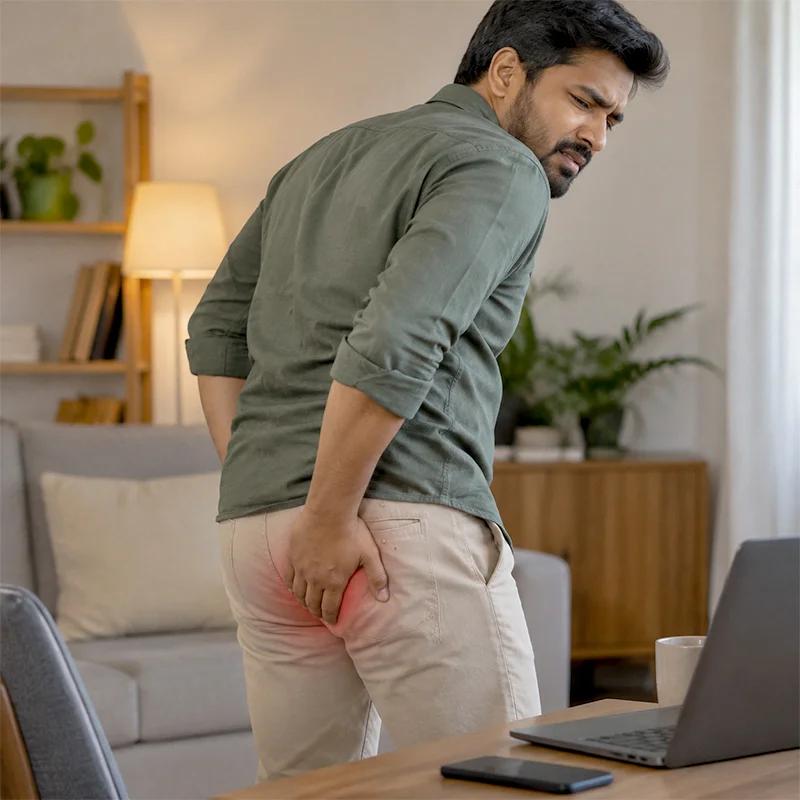
- Pain or discomfort
- A lump near the anus
- Discomfort while sitting
- A feeling of incomplete bowel emptying in some cases
Internal piles may cause bleeding without much pain, while external piles can be more uncomfortable, particularly when swollen or thrombosed.
How Can You Tell If You Have Piles?
The symptoms of piles can overlap with other anal and digestive conditions. Rectal bleeding should not automatically be assumed to be caused by haemorrhoids.
A healthcare professional can assess your symptoms and determine whether further examination is necessary.
Seek medical advice if you experience:
- Persistent or recurring rectal bleeding
- Heavy bleeding
- Severe or worsening pain
- A new or unusual lump
- Symptoms that do not improve
- Dizziness, weakness or other symptoms alongside significant bleeding
Early assessment can help identify the underlying cause and prevent an important condition from being overlooked.
How Can Piles Be Prevented?
Many everyday habits can help reduce the factors associated with haemorrhoids.
Eat More Fibre
Include fibre-rich foods in your regular diet. Gradually increasing fibre can help support softer, easier-to-pass stools.
Drink Enough Water
Adequate fluid intake supports normal bowel function and works alongside dietary fibre.
Avoid Excessive Straining
Give yourself enough time to use the toilet, but avoid repeatedly forcing a bowel movement.
Keep Toilet Time Short
Avoid turning toilet visits into long sitting sessions. Responding to the urge to pass stool can also help maintain a healthier bowel routine.
Stay Physically Active
Regular walking and other moderate physical activity can support digestion and help reduce prolonged periods of inactivity.
Maintain a Healthy Weight
A balanced diet and regular activity can support overall health while reducing some factors associated with increased abdominal pressure.
What Helps Manage Piles Symptoms?
Mild symptoms may improve when the habits contributing to constipation and straining are addressed. Helpful measures can include:
- Eating enough fibre
- Drinking adequate fluids
- Staying physically active
- Avoiding prolonged toilet sitting
- Avoiding excessive straining
- Maintaining good anal hygiene
- Taking appropriate medical advice when symptoms persist
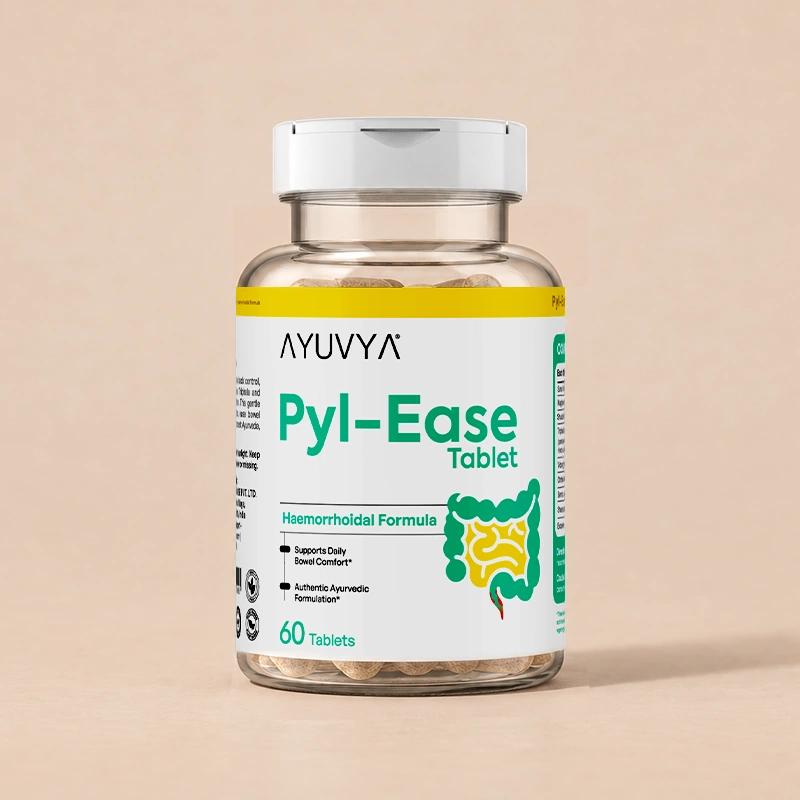
Ayurvedic products can also be considered as part of a broader personal wellness routine. Ayuvya's Ayuvya Pyl-Ease Kit | 1 Month Pack combines Pyl-Ease Tablets with Jatyadi Oil for a convenient piles-care routine.
For external care, Ayuvya Jatyadi Oil is another product in the range. It can be incorporated into an appropriate external-care routine according to the product directions.
These products should complement, rather than replace, professional medical evaluation when symptoms are persistent, severe or unusual.
How Are Piles Diagnosed and Treated?
A healthcare professional may assess your medical history, symptoms and the affected area. Depending on the symptoms, a physical examination or additional examination may be recommended.
Treatment depends on the type and severity of haemorrhoids and may include:
- Dietary and lifestyle changes
- Medicines or topical treatments
- Office-based procedures
- Minimally invasive treatments
- Surgery for selected advanced cases
The appropriate treatment should be determined according to individual symptoms and clinical assessment rather than assuming every case requires the same approach.
When Should You See a Doctor for Piles?
You should seek medical attention when symptoms are severe, persistent, recurrent or accompanied by significant bleeding.
Do not ignore rectal bleeding simply because you suspect piles. Bleeding can have several possible causes, and a proper assessment provides greater certainty.
Prompt medical attention is particularly important when bleeding is heavy, pain is severe, symptoms suddenly worsen, or you experience weakness or dizziness.
Support Your Piles-Care Routine With Ayuvya
Knowing what causes piles is the first step towards making practical changes. A healthier bowel routine, adequate fibre and fluids, regular movement and avoiding excessive straining can all support better digestive and bowel health.
If you are looking for an Ayurvedic addition to your wellness routine, explore Ayuvya Pyl-Ease Kit | 1 Month Pack, Ayuvya Pyl-Ease Kit | 2 Month Pack, and Ayuvya Jatyadi Oil. Choose the option that fits your routine and follow the product directions carefully.
Take a proactive approach to your digestive wellness with Ayuvya and make healthier bowel habits part of your everyday routine.