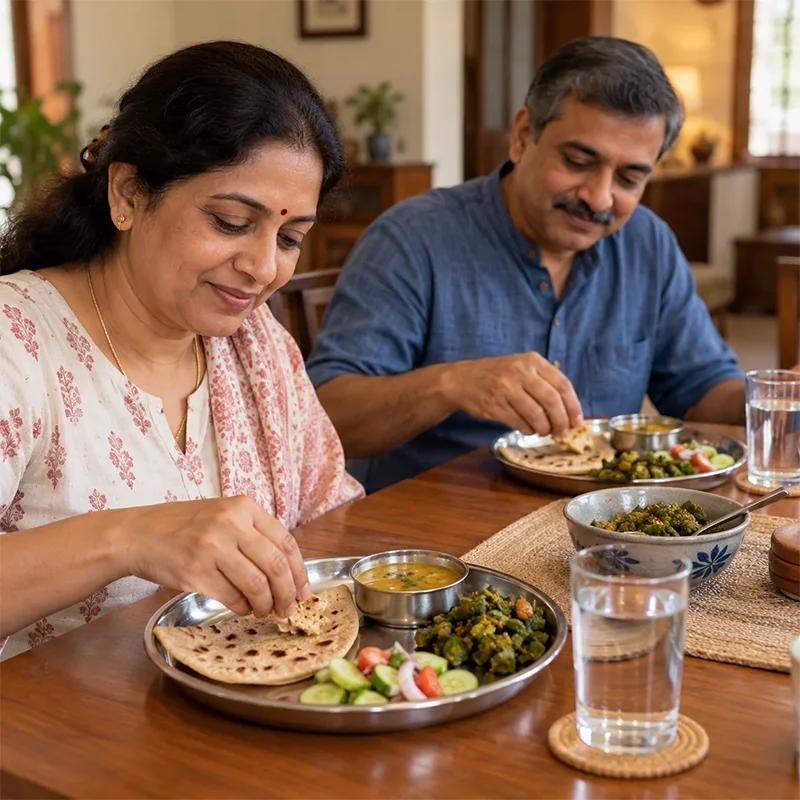


Managing blood sugar starts with everyday choices, from what you eat to how well you sleep. Simple, consistent habits can support metabolic health without extreme diets or complicated routines. Ayurveda also offers traditional wellness approaches worth understanding carefully. The key is knowing which habits are helpful, which remedies need caution, and when professional guidance matters. For additional guidance, explore Ayuvya's Ayurvedic health care products and learn how lifestyle habits can complement appropriate medical care.
What Are the Best Home Remedies for Sugar?
The most useful home-based approaches focus on balanced nutrition, regular movement, hydration, sleep, and stress management. No single food, herb, or drink can reliably control blood sugar for everyone.
Here are ten practical ways to support healthier blood glucose levels:
1. Add More Fiber-Rich Foods to Your Meals
Fiber slows digestion and can help moderate how quickly glucose enters the bloodstream after eating. It also supports digestive health and helps you feel satisfied for longer.
Include more of these foods in your daily meals:
- Lentils, chickpeas, and kidney beans
- Oats and other whole grains
- Green vegetables, broccoli, and leafy greens
- Apples, pears, and other whole fruits
- Nuts and seeds
For example, replace a meal made entirely of refined carbohydrates with a balanced plate containing vegetables, lentils, whole grains, and a suitable protein source. Increase fiber gradually and drink enough water to support digestion.
2. Manage Carbohydrate Portions
Rice, roti, bread, potatoes, and other carbohydrate-rich foods can raise blood glucose during digestion. You do not necessarily need to eliminate them; portion size and the overall composition of a meal matter.
Try balancing your plate with non-starchy vegetables, a suitable protein source, and an appropriate portion of carbohydrates. Whole grains and legumes can provide more fiber than many refined alternatives.
The right carbohydrate intake depends on your health, activity level, medication, and individual glucose response. A registered dietitian can help you build a practical eating plan. You can also read how to control sugar levels for additional guidance on everyday blood sugar management.
3. Take Regular Walks and Stay Active
Physical activity helps your muscles use glucose for energy and can improve insulin sensitivity over time. Even short periods of movement can be useful when they fit comfortably into your routine.
Consider these simple habits:
- Take a short walk after a meal if it is appropriate for your health.
- Break up long periods of sitting with movement.
- Choose activities you enjoy, such as cycling, swimming, or dancing.
- Build up your activity gradually rather than starting with intense workouts.
People who use insulin or certain glucose-lowering medicines should ask their healthcare professional about preventing low blood sugar during exercise.
4. Drink Enough Water
Water supports normal body functions, including circulation and temperature regulation. When blood sugar is elevated, excess glucose can contribute to increased urination and dehydration.
Choose plain water regularly throughout the day instead of relying on sugary drinks, sweetened juices, or soft drinks. Individual fluid needs vary, particularly for people with kidney or heart conditions who may have been advised to restrict fluids.
Drinking water alone will not treat significantly elevated blood sugar. Persistent high readings need appropriate medical attention. For more practical advice, explore natural ways to reduce blood sugar levels, keeping in mind that lifestyle changes complement rather than replace medical treatment.
5. Choose Whole Foods More Often
Frequent sugary drinks, sweets, and highly refined snacks can make it harder to maintain a balanced eating pattern. Choosing less processed foods more often can help you manage added sugar and carbohydrate intake.
Practical swaps include:
- Unsweetened drinks instead of sugar-sweetened beverages
- Whole fruit instead of fruit juice
- Nuts or plain yogurt instead of heavily sweetened snacks
- Whole grains instead of refined grains when suitable
You do not have to change everything overnight. Start with one or two changes you can maintain consistently.
6. Prioritise Quality Sleep
Sleep influences hormones involved in appetite, stress, and glucose regulation. Poor or insufficient sleep can make blood sugar management more difficult for some people.
Aim for a consistent bedtime and wake-up time. Keep your bedroom comfortable, reduce late-night screen use, and limit caffeine close to bedtime if it affects your sleep.
Adults generally benefit from seven to nine hours of sleep each night, although individual needs vary. Persistent snoring, interrupted breathing during sleep, or ongoing daytime exhaustion should be discussed with a healthcare professional.
7. Manage Stress Through Simple Daily Habits
Stress can trigger hormonal changes that affect blood glucose. When stress becomes persistent, it may also disrupt sleep, eating patterns, and physical activity.
Try incorporating a few minutes of relaxation into your day:
- Practise slow, comfortable breathing.
- Try meditation or gentle yoga.
- Spend time outdoors.
- Talk with someone you trust.
- Set aside time for activities that help you unwind.
These practices can support overall well-being, but they are not a substitute for medical or psychological care when it is needed.
8. Understand Traditional Ayurvedic Herbs
Several herbs are traditionally used in Ayurvedic wellness practices, including methi (fenugreek), karela (bitter melon), jamun, and gurmar (Gymnema). Some have been studied for potential effects on glucose metabolism, but the quality of evidence varies and the benefits are not established equally for every preparation.
Natural does not automatically mean safe. Herbal products may interact with diabetes medicines and could increase the risk of low blood sugar.
If you are exploring home remedies to control sugar, discuss herbal supplements with your healthcare professional first. Never stop prescribed medication or substitute an herbal remedy for your treatment plan.
9. Reduce Added Sugar in Your Beverages
Small beverage changes can help reduce added sugar intake without requiring you to give up every sweet taste. If you regularly add sugar to tea or coffee, consider gradually reducing the amount or exploring a suitable alternative.
Ayuvya Monk Fruit Drops are an option to explore if you want a monk fruit-based sweetener. Check the product label for ingredients and directions, and consider your overall dietary needs.
A sweetener is not a treatment for diabetes. The goal is to make sustainable choices that fit into a balanced eating pattern.
10. Monitor Your Blood Sugar and Build Consistent Habits
Blood glucose readings can help you understand how meals, activity, illness, stress, and medication affect your body. Your healthcare professional can advise when to test, how to interpret the results, and what targets are appropriate for you.
Keep a simple record of readings if recommended, along with relevant meals, activity, or symptoms. This can help identify patterns and make consultations more productive.
Among the most practical home remedies for sugar, consistency matters more than trying multiple remedies at once. Small, manageable changes are easier to maintain and assess over time.
How Can Ayurveda Fit Into a Blood Sugar Wellness Routine?
Ayurveda emphasises daily routines, mindful eating, physical activity, and traditional herbal preparations. These ideas can complement a healthy lifestyle when used responsibly, but they should not be presented as a cure for diabetes.
Ayuvya's Sugar Management range includes Diabo Plus Shots and Diabo Plus Tablets for people exploring Ayurvedic wellness products. Review the ingredients, directions, and warnings on the relevant product pages before considering either option.
If you take medication for diabetes, speak with your healthcare professional before adding an herbal formulation. Blood sugar can fall too low when certain supplements are combined with glucose-lowering medicines.
For people looking for home remedies to control sugar, the safest approach is to combine sustainable lifestyle habits with appropriate monitoring and professional advice. If you experience symptoms associated with low blood sugar, read what to eat for low blood sugar for food-related guidance. Severe symptoms, including confusion, seizures, or loss of consciousness, require emergency medical attention.
When Should You Seek Medical Help?
Contact a healthcare professional if your blood sugar readings remain above your recommended range or you experience symptoms such as unusual thirst, frequent urination, unexplained weight loss, or persistent fatigue.
Seek urgent medical care for serious symptoms such as vomiting, abdominal pain, deep or rapid breathing, confusion, or severe drowsiness, particularly if you have diabetes.
Home-based habits can support diabetes management, but they cannot safely replace assessment or treatment when blood glucose is significantly elevated.
Take a More Informed Approach to Everyday Wellness with Ayuvya
Healthy blood sugar management begins with consistent habits, balanced nutrition, and the right medical guidance. If you are exploring complementary Ayurvedic wellness options, discover Ayuvya Diabo Plus Shots, Diabo Plus Tablets, and Monk Fruit Drops through the brand's Sugar Management range.
Explore the products, review their ingredients, and speak with your healthcare professional before adding herbal supplements to your routine.
Explore Ayuvya's Sugar Management Range and find options that fit your informed approach to everyday wellness.
Ayuvya products are not a substitute for prescribed diabetes medication or professional medical care.