

Learning how to gain weight for females means consistently providing enough energy and nutrients, not simply eating more junk food. Focus on calorie-dense meals, protein, healthy fats, regular eating, and appropriate strength training. Ayuvya can complement this wellness journey with its weight-gain range. Your body's needs come first; the right routine starts there.
What Does Healthy Weight Gain Mean for Females?
Healthy weight gain means increasing body weight while supporting overall nutrition and body composition. For women, simply adding sweets, fried foods, or sugary drinks may increase calories, but it does not create a balanced diet.
A better approach combines adequate energy with protein, carbohydrates, healthy fats, vitamins and minerals. Needs vary with age, height, current weight, activity level, appetite and lifestyle, so there is no single calorie target for every woman. If you want a complete overview, you can also read about the best way to gain healthy weight.
How to Gain Weight for Females Through Diet
For anyone asking how to gain weight for females, the foundation is a consistent eating pattern that provides more energy than the body uses.
Eat Regularly
If large meals feel difficult, divide food into three main meals and two or three nourishing snacks. Regular eating can make it easier to increase total intake without feeling overly full at once.
Include Protein at Main Meals
Protein supports muscle maintenance and development. Good options include eggs, milk, curd, paneer, dal, beans, lentils, fish, lean meat, nuts, and seeds. Pairing protein with carbohydrates and healthy fats creates a more balanced meal. If food alone does not meet your protein needs, it may help to know the best protein powder for weight gain in females.
Choose Calorie-Dense, Nutrient-Rich Foods
Add foods that provide both energy and useful nutrients. Nuts, nut butter, seeds, avocado, dairy, oats, rice, potatoes, bananas, and dried fruit can be practical additions to everyday meals.
Increase Calories Gradually
Instead of suddenly doubling portions, enrich familiar meals. Add nuts or seeds to porridge, paneer to meals, nut butter to toast or a smoothie, or a little ghee to suitable dishes. Small additions can make a meaningful difference over time.
Best Foods to Gain Weight for Females
For anyone researching how to gain weight for females, food quality matters as much as calories. A varied diet makes weight gain more nutritious and sustainable.
Nuts, Seeds and Nut Butters
Almonds, walnuts, peanuts, seeds and nut butters are energy-dense additions to breakfasts and snacks.
Dairy, Eggs and Protein Foods
Milk, curd, yogurt, paneer and eggs provide useful protein and calories. Vegetarian options include dal, beans, lentils and soy foods.
Rice, Oats, Potatoes and Fruits
Rice, oats, potatoes, bananas and dried fruits can increase energy intake while fitting easily into balanced meals and snacks.
How Many Calories Should a Female Eat to Gain Weight?
When considering how to gain weight for females, remember that there is no universal number of calories that every woman should eat to gain weight. Energy requirements vary according to age, height, body weight, physical activity, and individual metabolism.
Gaining weight generally requires more energy than the body uses, but the appropriate surplus varies. A registered dietitian can help calculate individual needs, particularly when there are dietary restrictions or health concerns.
How to Gain Weight for Females With a Small Appetite
A low appetite can make weight gain challenging, especially when large meals feel uncomfortable. In that situation, focus on making each eating occasion more nourishing rather than forcing very large portions.
Try smaller meals more frequently. Add calorie-dense ingredients such as nuts, seeds, nut butter, paneer, yogurt, or ghee to foods you already enjoy. Smoothies can also be useful because they may be easier to consume than a large solid meal.
Can Strength Training Help Females Gain Weight?
Yes. For women learning how to gain weight for females, strength training can support muscle development when combined with adequate food and protein. Exercises such as squats, rows, presses, and other resistance movements can form part of a structured fitness routine.
The goal should not be to exercise excessively while trying to gain weight. Recovery, sleep and adequate nutrition matter too. If you are new to resistance training, consider working with a qualified fitness professional to learn safe technique and appropriate progression.
An Ayurvedic Approach to Healthy Weight Gain
Ayurveda takes a broader view of nourishment, daily routine, digestion, and overall balance. This can mean paying attention to regular meals, food quality, individual tolerance, and lifestyle alongside adequate nutrition.
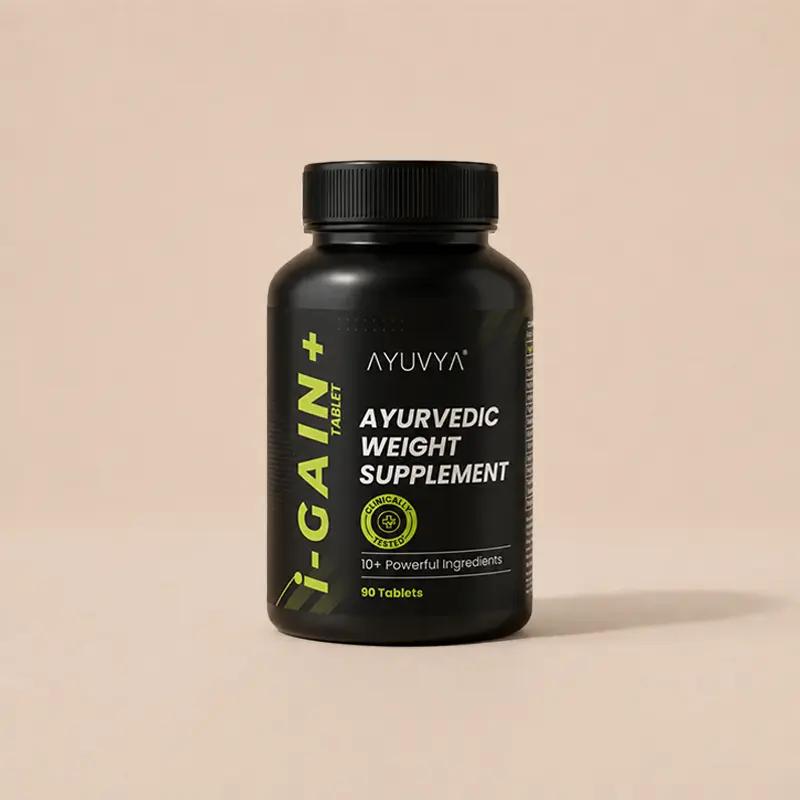
Ayuvya's Weight & Power range is designed around its Ayurvedic wellness positioning. Products such as Ayuvya i-Gain+ and Ayuvya Lets Gain can be considered as part of a broader routine rather than as substitutes for balanced meals. You can also explore other supplements for weight gain in women to see what fits your routine.
If you are considering an Ayurvedic supplement, read the product information carefully and choose according to your individual needs. People who are pregnant, breastfeeding, taking medicines, or managing a health condition should seek appropriate professional advice before adding supplements.
Sample Healthy Weight-Gain Meal Structure
A practical day could include oats, milk and banana at breakfast; yogurt, fruit and seeds as a snack; rice or roti with dal, paneer or another protein at lunch; a nut-and-banana smoothie in the evening; and a protein-rich dinner with rice or roti and vegetables. An optional bedtime snack can be added if it fits your appetite and daily needs. Portion sizes should be individualized.
How to Gain Weight for Females Safely and Consistently
For women wondering how to gain weight for females safely, a sustainable routine usually comes down to consistency. Eat regular meals, include protein and energy-dense foods, make sensible calorie increases, stay physically active, and allow enough time for recovery.
If your weight does not change despite consistent efforts, reassess your intake and consider professional dietary guidance instead of simply adding more processed foods or supplements.
Options such as easy-to-use weight gain powder and versatile weight gain supplements provide balanced nutrition. You can browse the full range of weight gain supplements made for women as well.
When Should You Speak to a Doctor or Dietitian?
Difficulty gaining weight deserves professional attention when it is persistent or accompanied by unexplained weight loss, major appetite changes, ongoing digestive symptoms, unusual fatigue, or other concerning changes.
Professional guidance is also valuable during pregnancy or breastfeeding, with known medical conditions, dietary restrictions, or a history of disordered eating. A healthcare professional can help identify whether there is an underlying reason for changes in weight and recommend an appropriate nutrition plan.
Build Your Healthy Weight-Gain Routine With Ayuvya
Knowing how to gain weight for females starts with consistent nourishment, not extreme eating. Start with balanced meals, adequate protein, nutrient-dense calories, sensible strength training, and supportive daily habits. .
If you want to complement this routine with an Ayurvedic wellness option, explore Ayuvya's weight-gain range, including Ayuvya i-Gain+ and Ayuvya Lets Gain.
If you are learning how to gain weight for females, choose the approach that fits your nutritional needs, lifestyle, and goals, and give your body time to respond. A consistent routine today can become the foundation for healthier progress tomorrow.