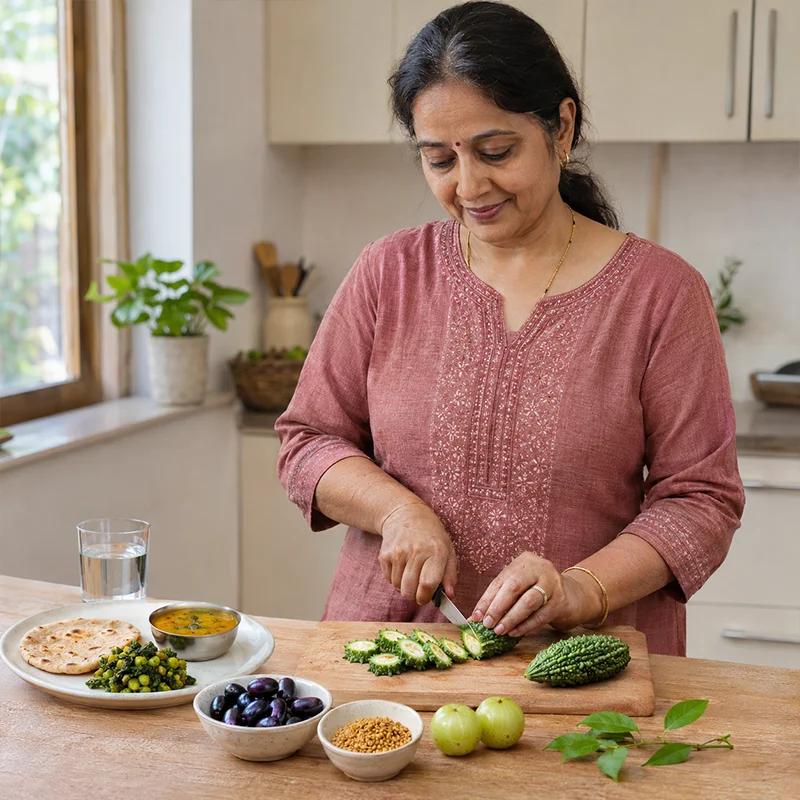


Managing diabetes involves more than reducing sugar intake. Ayurvedic remedies for diabetes traditionally combine herbs, balanced eating, and daily routines to support overall metabolic health. At Ayuvya, the focus is on making informed choices around everyday wellness. Understanding which practices are helpful, what the evidence supports, and where caution is needed can help you build a safer, more sustainable routine.
What Are Ayurvedic Remedies for Diabetes?
Ayurveda describes diabetes-related conditions through the traditional concept of Madhumeha. Its approach emphasises dietary balance, physical activity, individual constitution, and selected herbal preparations.
Modern diabetes care focuses on managing blood glucose, preventing complications, and supporting long-term health. Some traditional practices may complement this care, particularly when they encourage healthier eating and regular movement. However, no Ayurvedic remedy has been established as a cure for diabetes.
Understanding what blood sugar levels are considered dangerous can help you recognise when professional medical attention may be necessary. A balanced approach combines traditional wellness practices with appropriate medical treatment, regular monitoring, and guidance from a qualified healthcare professional.
10 Ayurvedic Remedies for Diabetes and Blood Sugar Support
1. Fenugreek Seeds (Methi)
Fenugreek seeds are widely used in Indian cooking and traditional Ayurveda. They contain soluble fibre, which can influence digestion and the absorption of carbohydrates. Preliminary research suggests fenugreek may have a role in blood sugar management, but the evidence is not strong enough to treat it as a replacement for medication.
Include fenugreek as part of a balanced diet if it suits your needs. Consult your healthcare professional before using concentrated supplements, particularly if you take glucose-lowering medicines. For a broader understanding of everyday management strategies, explore these practical tips on how to control sugar levels.
2. Bitter Gourd (Karela)
Bitter gourd is a familiar ingredient in Indian households and is traditionally associated with blood sugar support. It provides fibre and other nutrients when included in a varied diet.
However, evidence that karela reliably lowers blood glucose in people with diabetes remains limited. Enjoy it as a vegetable rather than relying on karela juice or extracts to control your condition. Concentrated preparations may affect blood sugar and interact with medication.
3. Jamun
Jamun, also known as Indian blackberry, has a long history of traditional use in Indian wellness practices. Its fruit contains fibre and naturally occurring plant compounds.
Jamun can be part of a balanced eating pattern, but its seeds, powders and extracts should not be treated as proven diabetes treatments. Whole fruit portions are generally easier to incorporate into everyday meals than unverified medicinal preparations.
4. Gurmar (Gymnema Sylvestre)
Gurmar is an Ayurvedic herb traditionally used in preparations intended to support sugar metabolism. Research into its potential effects on blood glucose is ongoing, and the available evidence is not sufficient to establish it as a standalone treatment.
People taking diabetes medication should be especially cautious with gurmar supplements because combining glucose-lowering substances may increase the risk of hypoglycaemia.
5. Amla (Indian Gooseberry)
Amla is valued in Ayurveda for its traditional uses and is a source of vitamin C and other plant compounds. It can add variety and nutritional value to meals when consumed as part of a balanced diet.
Although preliminary studies have explored amla and metabolic health, it should not be promoted as a proven way to control diabetes. Choose suitable food portions and discuss concentrated amla supplements with your healthcare professional.
6. Eat Fibre-Rich Foods
Fibre-rich foods are a practical part of everyday blood sugar management. Vegetables, beans, lentils, whole grains and other minimally processed foods can help slow digestion and support a balanced eating pattern.
Try these simple habits:
- Include vegetables in your main meals.
- Choose suitable portions of whole grains and pulses.
- Combine carbohydrate-rich foods with protein and fibre.
- Limit highly processed foods and sugary drinks.
These dietary practices offer a more dependable foundation for metabolic health than relying on a single herb.
7. Practise Portion Control
The amount and type of carbohydrate you eat can influence blood glucose after meals. Portion control does not mean eliminating carbohydrates; it means choosing appropriate quantities and balancing them with other nutritious foods.
Build meals around vegetables, suitable protein sources, healthy fats and measured portions of grains or other carbohydrate-rich foods. Your individual needs may differ depending on your medication, activity level and treatment plan.
8. Walk and Exercise Regularly
Physical activity helps muscles use glucose for energy and supports cardiovascular health. Regular movement can also improve insulin sensitivity over time.
Consider practical options such as:
- Walking at a comfortable pace.
- Cycling or swimming, if appropriate.
- Gentle yoga and mobility exercises.
- Taking short movement breaks during prolonged sitting.
Choose activities that suit your fitness level and medical needs. If you use insulin or medicines that can cause low blood sugar, ask your healthcare professional how to exercise safely.
9. Prioritise Sleep and Stress Management
Poor sleep and ongoing stress can make diabetes management more difficult. Consistent sleep routines and relaxation practices can support general wellbeing and make healthy habits easier to maintain.
Try maintaining regular sleep and wake times, practising slow breathing, spending time outdoors or incorporating meditation into your day. Yoga may also be useful as a complementary activity when adapted to your abilities.
These practices support a broader diabetes management plan rather than acting as direct cures.
10. Monitor Blood Sugar Consistently
Blood glucose monitoring helps you understand how meals, physical activity, medication and daily routines affect your readings. Follow the testing schedule recommended by your healthcare professional and record results when useful.
Do not rely on how you feel alone to judge whether your blood sugar is within your target range. Some people experience few noticeable symptoms even when glucose levels are outside their recommended range.
How Can Diet and Daily Habits Support Blood Sugar Management?
Ayurvedic remedies for diabetes are best considered alongside consistent lifestyle habits. Instead of following restrictive diets or relying on quick fixes, focus on routines you can maintain.
A practical daily approach includes:
- Eating balanced meals at regular times.
- Drinking water instead of sugar-sweetened beverages.
- Choosing fibre-rich foods and appropriate portions.
- Making regular physical activity part of your schedule.
- Getting adequate sleep and managing stress.
- Following your prescribed treatment and monitoring plan.
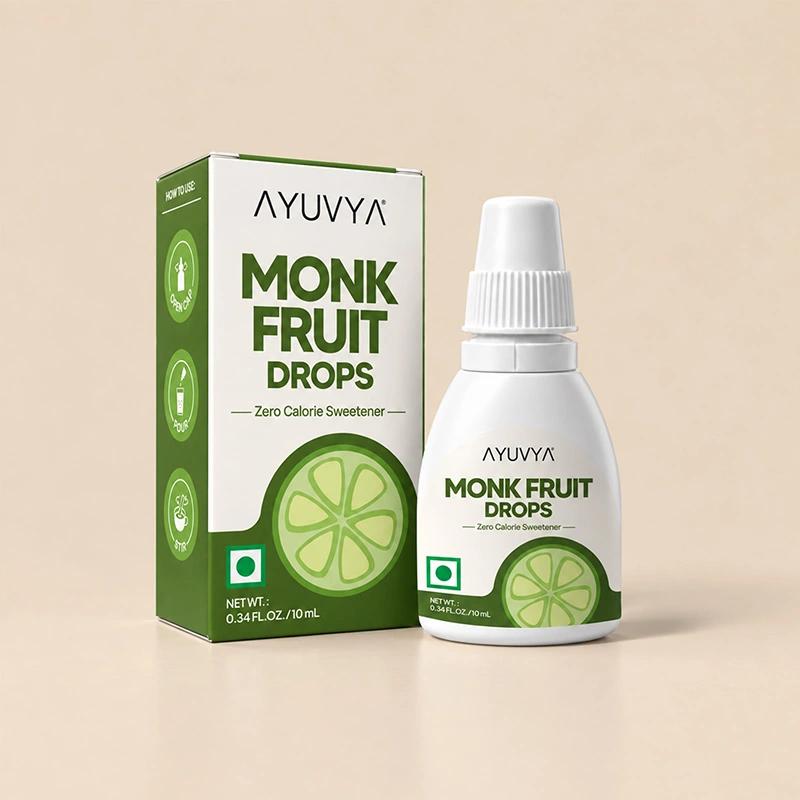
If you want to reduce added sugar in beverages, a suitable sugar substitute may be an option. Ayuvya's Monk Fruit Drops are listed within its Sugar Management range. Check the ingredient list and product directions, and remember that a sugar substitute does not itself treat diabetes.
How to Choose Ayurvedic Supplements for Diabetes
When considering Ayurvedic supplements, look beyond traditional claims and marketing language. The quality of the ingredients, the formulation and your existing medicines all matter.
Keep these points in mind:
- Check the ingredients: Review the complete label and serving instructions.
- Look for quality information: Consider manufacturing standards and available quality testing.
- Avoid cure claims: No supplement should be presented as a guaranteed diabetes treatment.
- Check for interactions: Herbal ingredients may affect glucose levels or interact with prescribed medicines.
- Seek professional advice: Discuss supplements with your doctor or qualified healthcare professional before starting them.
Ayuvya's Sugar Management range includes Diabo Plus Tablets and Diabo Plus Shots. These are examples of the brand's Ayurvedic wellness products, not proven substitutes for prescribed diabetes treatment. Review each product's ingredients and suitability before use.
You can also explore Ayuvya's Ayurvedic health care products to learn more about the brand's broader wellness range.
Are Ayurvedic Remedies Safe for People With Diabetes?
Safety depends on the ingredient, formulation, dose and individual's health. Some herbs may lower blood glucose or interact with medication, potentially increasing the risk of hypoglycaemia. Supplements may also be unsuitable for people with certain kidney or liver conditions, or during pregnancy and breastfeeding.
Keep these precautions in mind:
- Never stop or change prescribed diabetes medication without medical guidance.
- Consult your healthcare professional before combining herbs with medicines.
- Monitor blood glucose as recommended.
- Seek prompt medical advice for persistently high readings or concerning symptoms.
Traditional use does not automatically establish safety or effectiveness. A qualified professional can help you decide whether a particular supplement is appropriate for your circumstances.
Explore Ayuvya's Sugar Management Range
Building healthier habits is an important part of managing blood sugar, and the right choices should fit your individual needs. If you are exploring Ayurvedic wellness products, discover Ayuvya's Sugar Management range, including Diabo Plus Tablets, Diabo Plus Shots, and Monk Fruit Drops.
Review the product information carefully and consult your healthcare professional before introducing a supplement into your routine.
Ayuvya encourages informed wellness choices that complement responsible, evidence-based diabetes care.